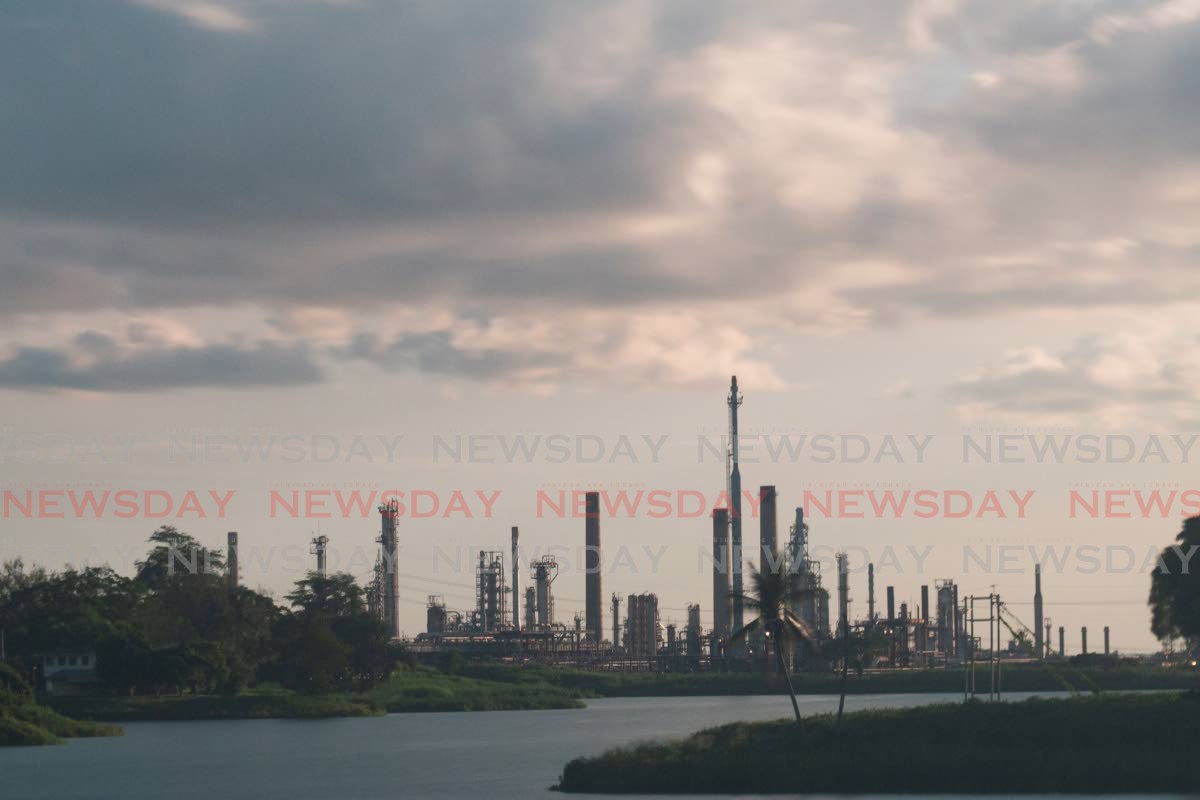
In a compelling analysis of Trinidad and Tobago’s energy sector, industry expert Gordon Laughlin argues that the modernization of the Pointe-a-Pierre refinery represents not merely an option but a critical strategic necessity for the nation’s economic future.
The refinery, which ceased operations in 2018, previously positioned Trinidad as a regional energy powerhouse, supplying the entire Caribbean with a comprehensive range of refined petroleum products including LPG, unleaded gasoline, jet fuel, kerosene, diesel, fuel oil, bitumen, sulphur, and base lubricants. This capability ensured both national self-sufficiency and established Trinidad as a significant exporter within the region.
Laughlin identifies three pivotal opportunities that a modernized facility could capture. First, the nation possesses the scientific and industrial capacity to develop high-value derivatives from its own Pitch Lake resources. Lake Asphalt already produces refined pitch and sealants for export, representing a niche, high-margin market that remains significantly underutilized despite its considerable potential.
Second, any refinery reactivation must incorporate future-proof capabilities to process Guyana’s light sweet crude, currently among the hemisphere’s most sought-after commodities. Failure to develop this capacity would allow other nations to capitalize on refining and profiting from Guyana’s resources.
Third, the facility requires capabilities to refine Venezuelan heavy crude. Despite its challenging composition, Venezuela’s proximity offers substantial freight savings, faster shipment turnaround times, and opportunities for blending or refining this crude for regional distribution. This would reposition Trinidad advantageously within the Caribbean energy logistics chain.
Laughlin advocates for positioning the refinery as the Caribbean’s premier toll refining facility, blending hub, and finished products supplier rather than allowing other nations to seize these emerging opportunities. The commentary concludes that Trinidad has never lacked the talent, resources, or strategic location for such endeavors, but has instead faced a deficit of political will to realize this vision.