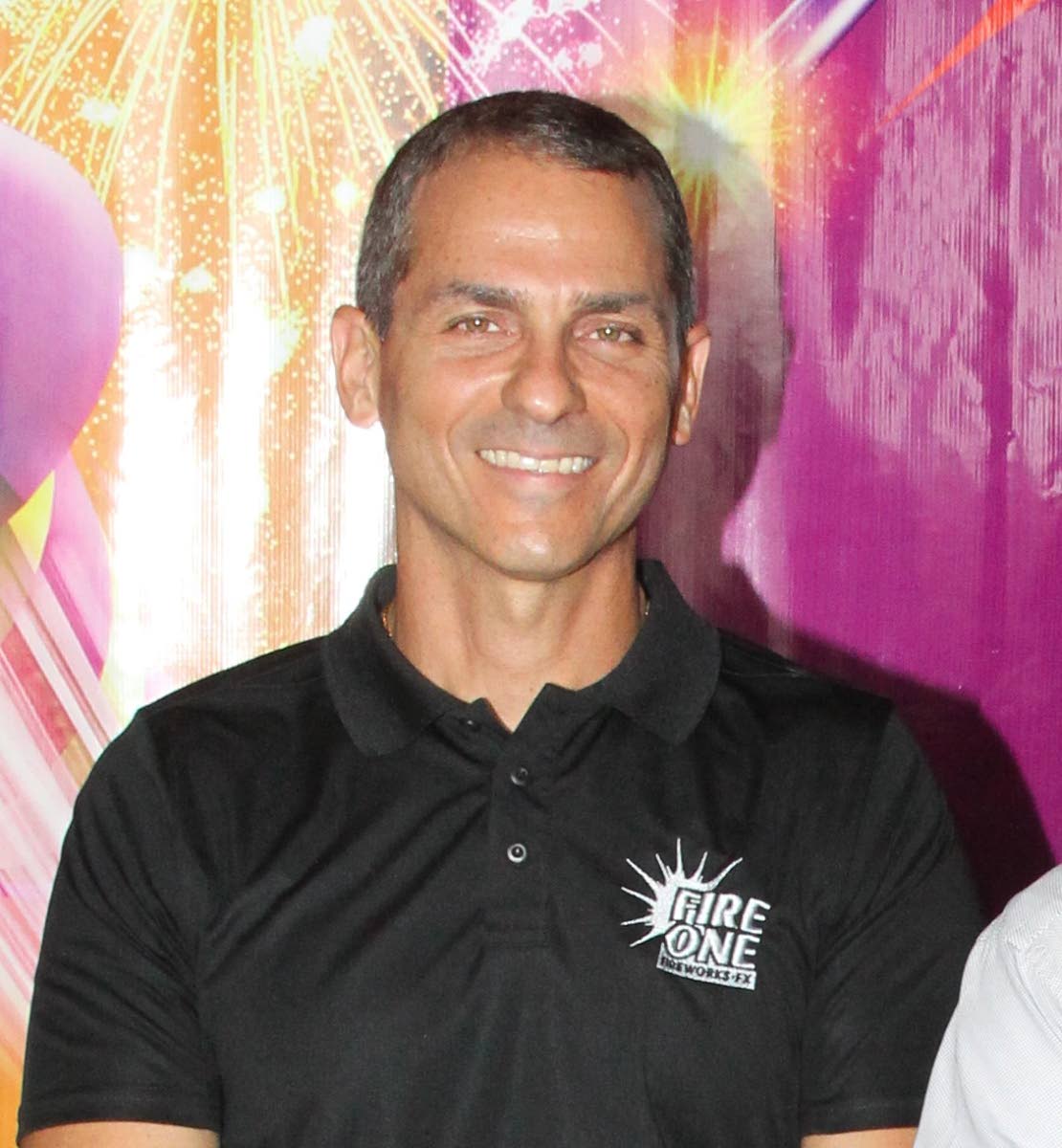
Despite recent legislative changes imposing stricter controls on fireworks usage, FireOne Fireworks anticipates exceptionally strong sales during its annual Boxing Day promotion. Managing Director Andre Abraham revealed the company expects substantial customer turnout for its buy-one-get-one-free event at their Macoya warehouse location.
Abraham emphasized that the sales initiative serves a dual purpose beyond revenue generation. “Our objective extends beyond commercial interests—this is fundamentally about public safety and market protection,” he stated during a December 23 interview. The promotional strategy deliberately aims to eliminate substandard products from circulation by offering legitimate alternatives of equal value, making unauthorized fireworks economically unattractive to consumers.
The company maintains rigorous quality standards through third-party verification. All FireOne products undergo comprehensive inspection by the American Fireworks Standards Laboratory (AFSL), implementing National Fire Protection Association guidelines that exceed local legal requirements. This proactive approach addresses historical safety concerns associated with overloaded products lacking proper instructions.
Abraham endorsed Trinidad and Tobago’s recently enacted Summary Offences (Amendment) Act, 2025, which establishes precise parameters for fireworks usage. The legislation mandates permits from the Commissioner of Police for most fireworks discharges, with exceptions limited to specific time windows on public holidays (8-9 PM) and New Year’s Eve (11:30 PM-12:30 AM). The law further prohibits fireworks within half-mile radii of sensitive locations including hospitals, airports, animal shelters, and ecological preserves.
Permit applications require detailed specifications regarding fireworks type, quantity, location, and timing, with a $100 processing fee and minimum age requirement of 18 years. Violations carry substantial penalties, including fines up to $450.
The managing director characterized the regulations as addressing a small minority of irresponsible users: “Through two decades of marketing and education, we’ve cultivated a customer base that predominantly demonstrates respect and consideration. These laws primarily constrain the one percent who might otherwise disregard community welfare.”
Abraham concluded that governmental intervention ultimately supports industry legitimacy: “This legislative framework represents a significant positive development that aligns with our longstanding commitment to responsible practices.”