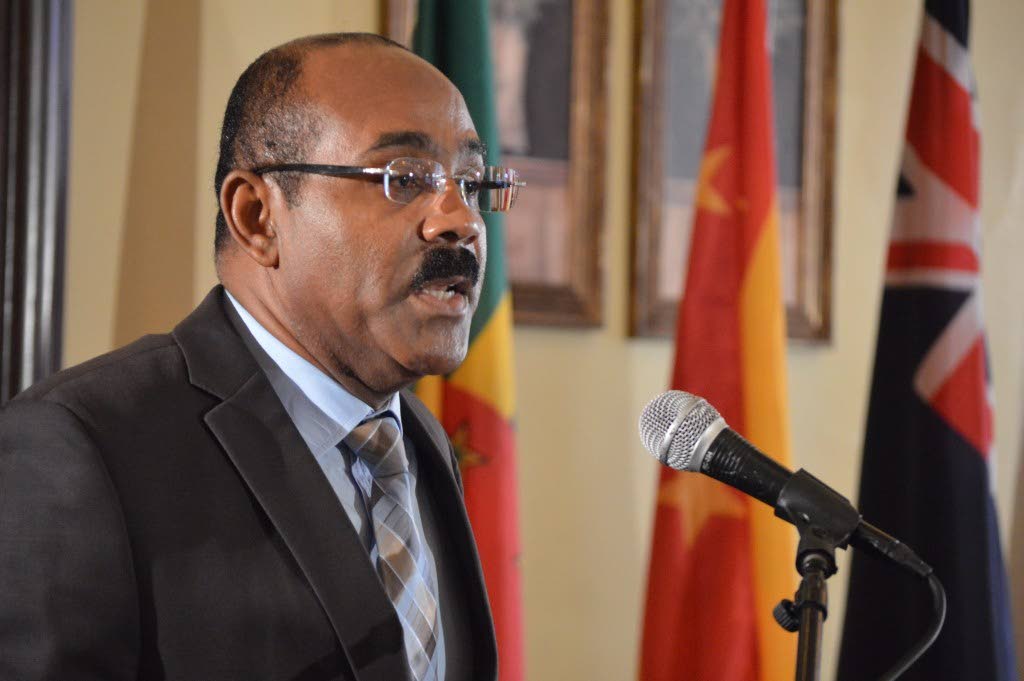
A significant diplomatic dispute has emerged within the Caribbean Community (CARICOM) following contentious remarks by Trinidad and Tobago’s Prime Minister Kamla Persad-Bissessar, who characterized the regional bloc as “unreliable,” “dysfunctional,” and “self-destructive.” The statements have prompted a robust rebuttal from Antigua and Barbuda Prime Minister Gaston Browne, who presented compelling economic data challenging these assertions.
Prime Minister Browne revealed that Trinidad and Tobago generated over US$1.1 billion in foreign exchange from trade with CARICOM nations during 2024 alone. This substantial revenue stream comprised approximately US$784.7 million in domestic exports and US$501.3 million in re-exports to fellow member states. The figures position CARICOM as Trinidad’s second-largest export market, surpassed only by the United States.
The economic relationship has proven remarkably advantageous for Trinidad, which has consistently maintained the largest merchandise trade surplus within CARICOM since the organization’s establishment in 1973. This unique position makes Trinidad the only member state to sustain a net positive trade balance with the community throughout its five-decade history.
Browne emphasized that this favorable economic outcome has been facilitated by the Common External Tariff (CET) framework, under which CARICOM states apply protective tariffs on extra-regional imports to support Trinidad’s manufacturing sector. In 2024, member nations collectively sacrificed approximately US$142.7 million in potential customs revenue by sourcing goods from Trinidad under CET protection—an economic concession borne by Caribbean consumers in the spirit of regional solidarity.
The 2024 Review of the Economy for Trinidad confirmed these patterns, reporting a trade surplus of $4,915 million with CARICOM countries during the nine-month period ending June 2024, with exports totaling $5,947.5 million from October 2023 through June 2024.
Beyond economic cooperation, Browne highlighted CARICOM’s crucial role in addressing regional security challenges. He noted that Trinidad faces some of the Caribbean’s highest levels of organized crime, and regional cooperation through CARICOM security mechanisms, intelligence sharing, and coordinated law-enforcement initiatives has been essential to the response. Antigua and Barbuda, like other member states, has consistently supported these collective security efforts.
The Antiguan leader framed CARICOM as a partnership rooted in shared history, bloodlines, struggle for independence, and a collective determination that small states are stronger when they act together. While acknowledging each nation’s sovereign right to conduct bilateral relations, Browne asserted that no member should question another’s legitimate engagement with international partners on matters affecting its citizens.
Browne categorically rejected Persad-Bissessar’s claim that Antiguan leaders had “bad-mouthed” the United States, stating that no evidence exists to support this assertion. He highlighted Antigua and Barbuda’s record of close collaboration with the US, including constructive engagement on security matters, immigration, and consistent cooperation in multilateral forums such as the UN and Organization of American States.
The Prime Minister concluded that respectful dialogue with international partners does not constitute subservience, nor does regional consultation represent disloyalty. This balanced approach, he argued, has served the region well for decades and should not be undermined by divisive rhetoric when facts clearly demonstrate the value of interdependence.