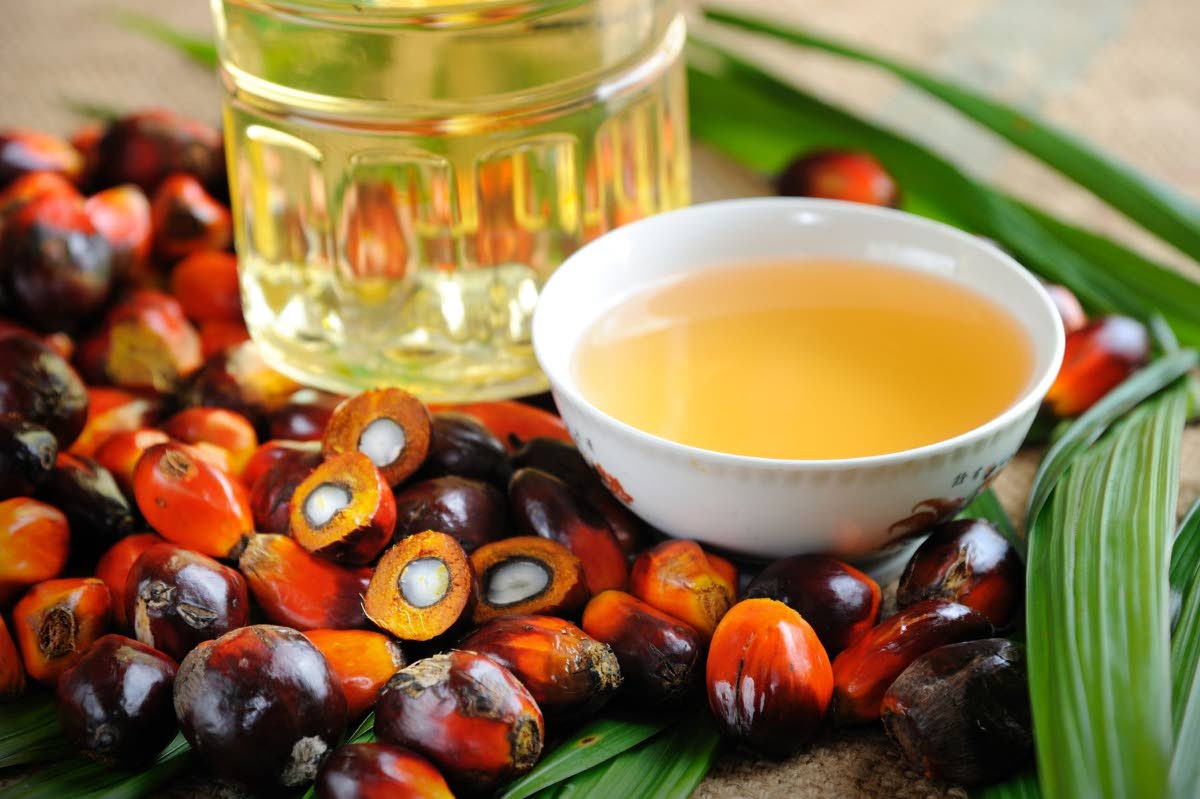
A traditional Honduran hair care ingredient has captured global attention, transitioning from indigenous ritual to social media sensation. Batana oil, extracted from the nuts of the American oil palm, has become the latest obsession in beauty circles, praised for its remarkable hair-restorative properties.
This amber-brown oil with a distinctive nutty aroma originates from the rainforest region of La Mosquitia, Honduras, where the indigenous Miskito people have hand-processed it for generations. The area’s reputation for hair health is so established that it’s commonly referred to as “the Land of Beautiful Hair.”
Biochemist Cheryl Bowles, founder of Cher-Mere products with over three decades of experience studying plant-based ingredients, explains the science behind batana oil’s effectiveness. “When you strip away the hype, every ingredient must stand on its own chemistry,” Bowles states. “Batana oil has a very specific profile that makes it effective for strengthening, conditioning, and protecting the hair shaft.”
The oil’s potency derives from its unique composition: essential fatty acids (oleic and linoleic) that nourish and soften hair, antioxidants including Vitamin E and beta-carotene that protect against oxidative stress, and a balanced combination of saturated and unsaturated fatty acids that provide both richness and protective coating abilities.
For Caribbean hair specifically, which faces constant exposure to heat, humidity, hard water, and chemical treatments, batana oil offers particular benefits. Its heavy yet penetrative structure works deep into the hair shaft while forming a protective barrier that helps retain moisture—especially valuable in humid climates where hydration evaporates quickly.
Beyond its cosmetic applications, batana oil represents a cultural legacy. The Miskito people’s traditional techniques—slow-roasting, hand-cracking, and filtering—have supported community development while preserving the palm’s ecosystem for generations.
Bowles emphasizes the importance of honoring these origins while applying modern scientific rigor. Her development process involved testing batana oil’s performance on varying hair textures and creating blends with complementary oils like rosemary and tea tree to enhance strength and scalp health.
The current popularity of batana oil reflects a broader shift toward ingredients with authentic roots and proven efficacy. As Bowles notes, “We’re seeing a return to ancestral knowledge. People want ingredients that come from the earth, from real history, and that actually work.”
Users report multiple benefits including softer, more manageable hair, reduced scalp dryness and flaking, decreased shedding, and improved shine without greasiness. The oil can be used as a pre-shampoo treatment, overnight mask, scalp massage oil, leave-in sealant, or enhancer when blended with other botanical oils.