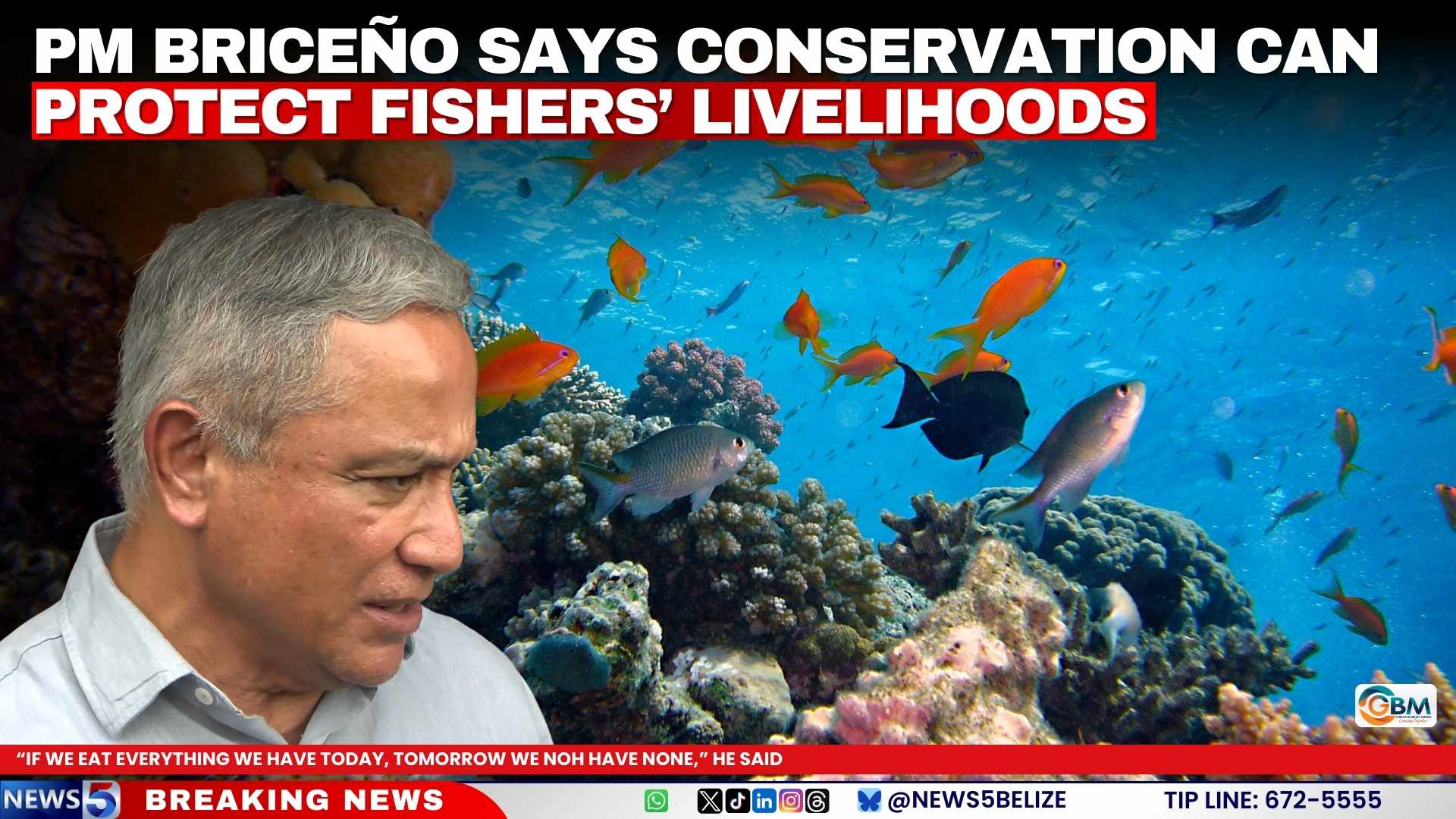
Amid mounting apprehensions within Belize’s fishing sector regarding proposed marine conservation measures linked to the Blue Bond agreement, Prime Minister John Briceño has emphatically countered assertions that environmental protections endanger economic livelihoods. Speaking on December 19, 2025, Briceño articulated a compelling vision where ecological preservation and fishing industry prosperity coexist harmoniously.
The fishing and tourism industries have expressed concerns that expanding marine protected areas would restrict access to prime lobster and conch harvesting grounds, potentially jeopardizing employment opportunities and coastal community economies. However, Prime Minister Briceño presented a contrasting perspective, asserting that strategic conservation efforts ultimately fortify fishing sustainability.
Employing vivid imagery, Briceño stated, “If we consume all available resources today, we face emptiness tomorrow,” emphasizing how protected zones enable fish population recovery that benefits fishermen through increased future yields. The Prime Minister referenced established marine reserves as tangible evidence of successful coexistence between conservation and commercial fishing activities.
Briceño specifically highlighted the Port of Honduras Marine Reserve, where initial skepticism transformed into widespread acceptance as fishermen witnessed stock regeneration. “The fish mature within protected boundaries before migrating to adjacent fishable areas, resulting in larger catches and recognized benefits for all stakeholders,” he explained.
Furthermore, the Prime Minister cited Glover’s Reef as another success story, where local guides and fishermen actively participate in reserve protection. During a recent visit, Briceño recounted conversations with community members who vigilantly monitor protected waters and promptly report unauthorized vessels to coast guard authorities. This collaborative approach has yielded significantly larger conch, lobster, and fish populations, demonstrating the practical advantages of science-based conservation partnerships.
Briceño concluded by emphasizing the necessity of transparent dialogue, stating, “We must engage in constructive discussions and present the scientific rationale underlying these conservation decisions” to ensure all stakeholders understand the long-term benefits of sustainable marine resource management.