Antigua and Barbuda’s healthcare system is grappling with a significant financial burden, as revealed by Health Minister Sir Molwyn Joseph. The nation’s Medical Benefits Scheme (MBS) allocates over $40 million annually to address mounting health challenges, primarily driven by non-communicable diseases (NCDs).
Minister Joseph, speaking at the inauguration of a new polyclinic, provided a detailed breakdown of this substantial expenditure. Approximately $25 million is channeled each year into pharmaceutical purchases through the OECD Drug Procurement Programme, a strategic partnership that helps mitigate medication costs. The majority of these drugs are essential for managing chronic conditions, with diabetes treatments representing a considerable portion.
An additional $15 million is dedicated to overseas medical referrals for specialized treatments not available within the country’s domestic healthcare infrastructure. Minister Joseph expressed deep concern over the ‘alarming’ escalation in NCD-related fatalities, directly linking this trend to lifestyle factors. He emphasized the critical importance of preventive healthcare strategies, advocating for improved nutrition and regular physical activity supported by broader collaborative efforts.
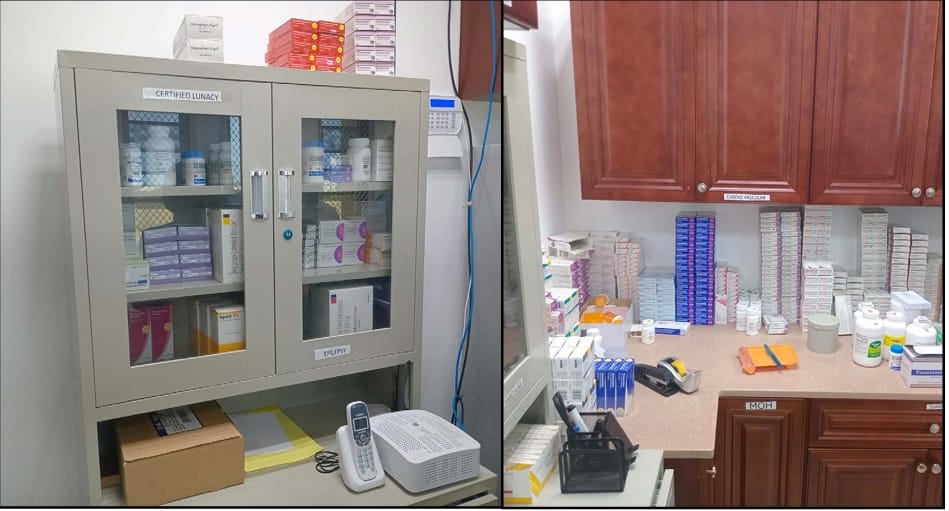
MBS Board Chairman Sir Heston Benjamin highlighted that the newly opened polyclinic pharmacy aims to enhance healthcare accessibility and patient convenience. Andre Howell, Head of MBS Pharmaceutical Services, noted that the facility represents an evolution in healthcare delivery, reflecting an increased focus on chronic illness management including heart disease, cancer, diabetes, and respiratory conditions.
The ceremonial opening concluded with a ribbon-cutting event attended by Minister Joseph and Keston Simon, Chief Executive of the Sir Lester Bird Medical Centre, marking a significant step in the nation’s healthcare modernization efforts.