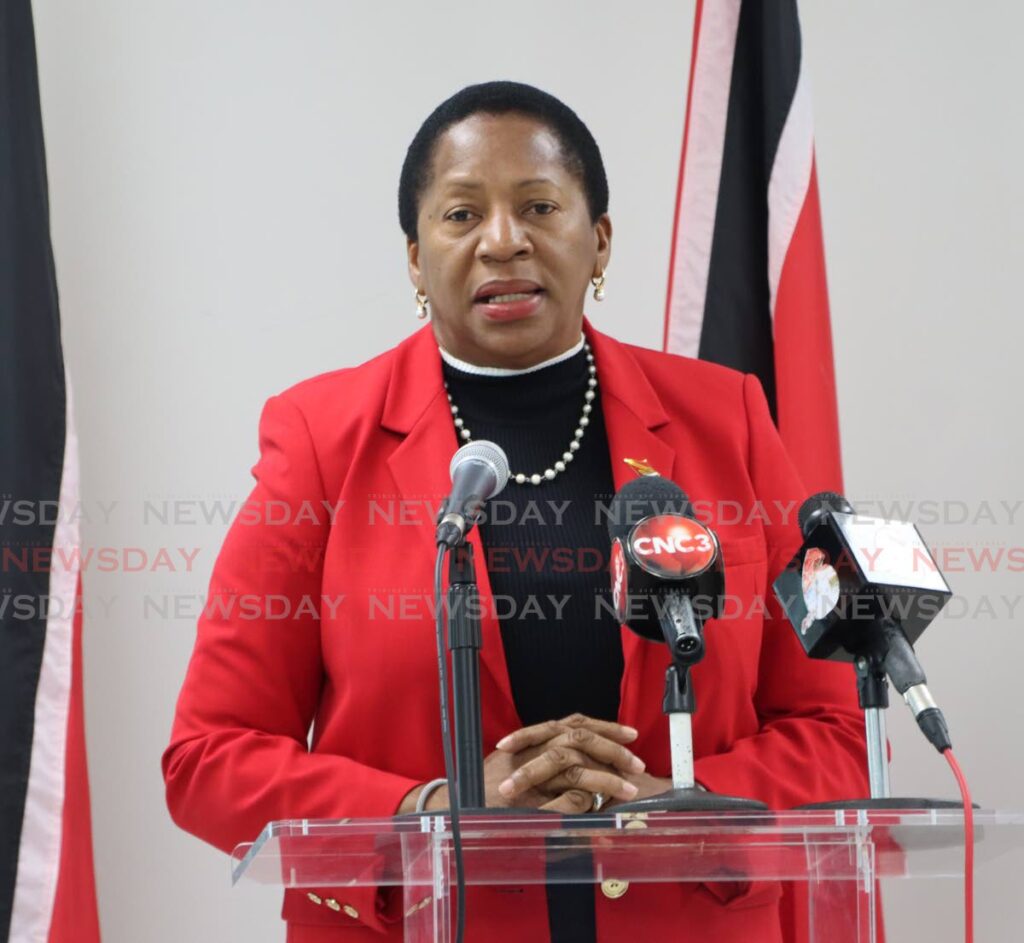
Opposition Leader Pennelope Beckles has launched a scathing critique against Prime Minister Kamla Persad-Bissessar’s administration, accusing the government of transforming Trinidad and Tobago’s national security into political theater. The focal point of contention revolves around the controversial installation of a US military radar system at Tobago’s ANR Robinson International Airport and broader US-Trinidad security cooperation matters.
In a strongly-worded video statement, Beckles emphasized that national security must transcend political maneuvering, asserting that citizens deserve transparent explanations regarding foreign military installations on sovereign territory. While acknowledging that certain security matters require confidentiality, she maintained that the current administration has created unacceptable opacity around critical defense decisions.
The controversy erupted when Prime Minister Persad-Bissessar initially concealed, then subsequently disclosed the radar’s establishment between November 26-28. The PM justified the deployment as enhancing surveillance capabilities against narco-traffickers in territorial waters. However, Beckles revealed that the radar manufacturer contradicted this narrative, confirming the G/ATOR system is designed for aerial threat detection—not maritime surveillance—capable of identifying unmanned systems, cruise missiles, and artillery.
Further complicating matters, Persad-Bissessar credited the radar with assisting a major drug bust involving $171 million worth of marijuana, despite the system’s technical specifications not aligning with this claimed functionality. The Prime Minister additionally suggested that criticizing US military presence might incur negative consequences for Trinidadian citizens.
The radar deployment mirrors similar US initiatives in the region, including August approaches to Grenada regarding Maurice Bishop International Airport. Grenadian Prime Minister Dickon Mitchell has proceeded cautiously with US deadlines, contrasting with Trinidad’s apparent rapid compliance.
Beckles condemned the government’s inconsistent explanations as undermining public trust and national sovereignty, emphasizing that proper security management requires competence and honesty rather than political performance.