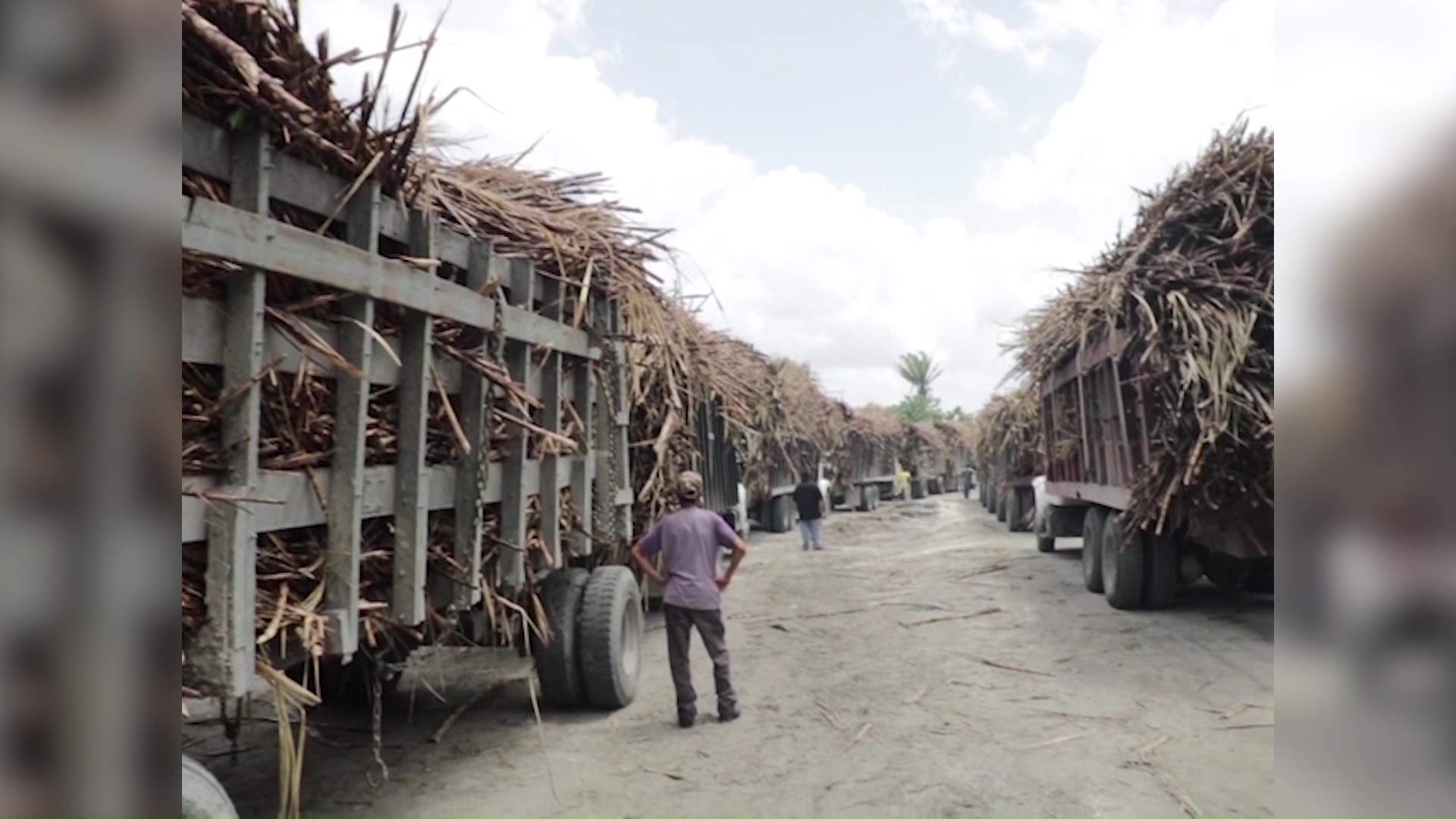
Prime Minister John Briceño has expressed cautious optimism regarding the resolution of ongoing negotiations between cane farmers and Belize Sugar Industries (BSI), despite the absence of a finalized commercial agreement. The delayed sugar crop season approaches amid mounting concerns over labor shortages and escalating production costs that threaten the industry’s stability.
In an exclusive statement, PM Briceño revealed that while substantive progress has been made, both parties remain engaged in determining the duration of the agreement. The Belize Sugar Cane Farmers Association (BSCFA) has advocated for a seven-year contract term, while BSI prefers a shorter commitment period. The Prime Minister emphasized the presence of ‘goodwill on both sides’ to reach a mutually beneficial arrangement that serves farmers, millers, and the national economy.
A critical challenge identified involves the acute shortage of manual labor, exacerbated by bureaucratic delays in work permit approvals rather than increased charges. Briceño acknowledged that government ministries require improved efficiency in processing labor applications to address immediate harvesting needs.
Looking beyond immediate negotiations, the Prime Minister outlined a comprehensive modernization strategy derived from recent commission of inquiry recommendations. This includes transitioning toward mechanized harvesting, introducing new fungus-resistant cane varieties, and implementing advanced agricultural techniques. These long-term solutions aim to create gradient fields that facilitate water runoff during rainfall, ultimately enhancing operational efficiency and profitability across the industry.
The government has committed to facilitating financial support for farmers to undertake replanting initiatives and adopt technological innovations. This holistic approach seeks to transform Belize’s sugar sector into a more resilient, productive, and competitive industry capable of withstanding environmental and economic pressures.