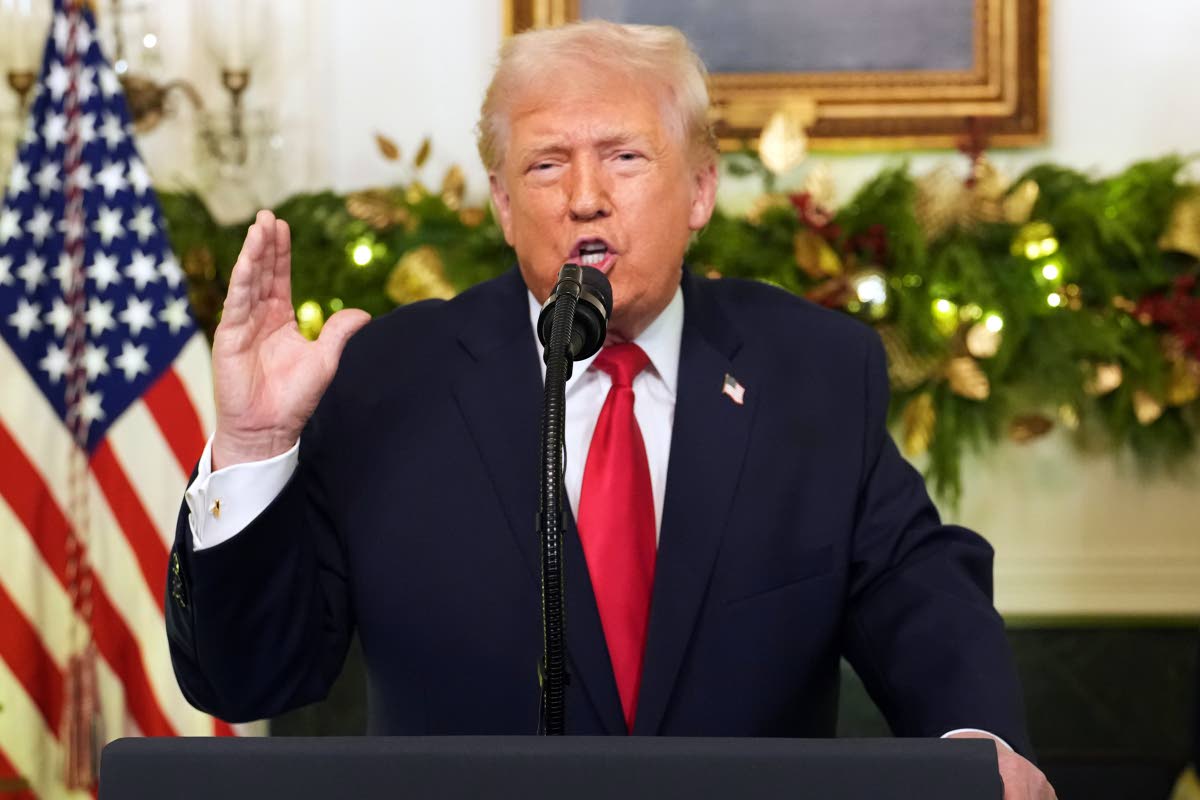
In a controversial executive decision, President Donald Trump has designated fentanyl as a weapon of mass destruction (WMD), drawing immediate criticism and satirical commentary from observers. The declaration, which places the synthetic opioid in the same category as nuclear and chemical weapons, has been met with skepticism regarding its geopolitical motivations and factual accuracy.
The administration’s justification characterizes fentanyl as “closer to a chemical weapon than a narcotic,” despite the drug’s primary trafficking routes originating from Mexico and China rather than Venezuela. This discrepancy has raised questions about the declaration’s relationship to current foreign policy objectives and election-cycle politics.
Political analysts note that the WMD classification appears disconnected from Venezuela’s actual narcotics production capabilities, yet the South American nation is reportedly preparing for potential military attention from the United States. This development follows historical patterns of American intervention in Latin America under various pretexts.
The sweeping nature of the designation has inspired satirical suggestions for other substances that cause gradual harm to populations. Commentators have ironically proposed extending WMD status to cigarettes, fast food products, and even social media platforms for their documented negative impacts on public health and psychological well-being.
This policy move potentially expands the scope of the Patriot Act, raising concerns about civil liberties and the appropriate use of counterterrorism legislation. The declaration represents a significant escalation in the rhetorical and legal approaches to the ongoing opioid crisis, with uncertain implications for both domestic policy and international relations.