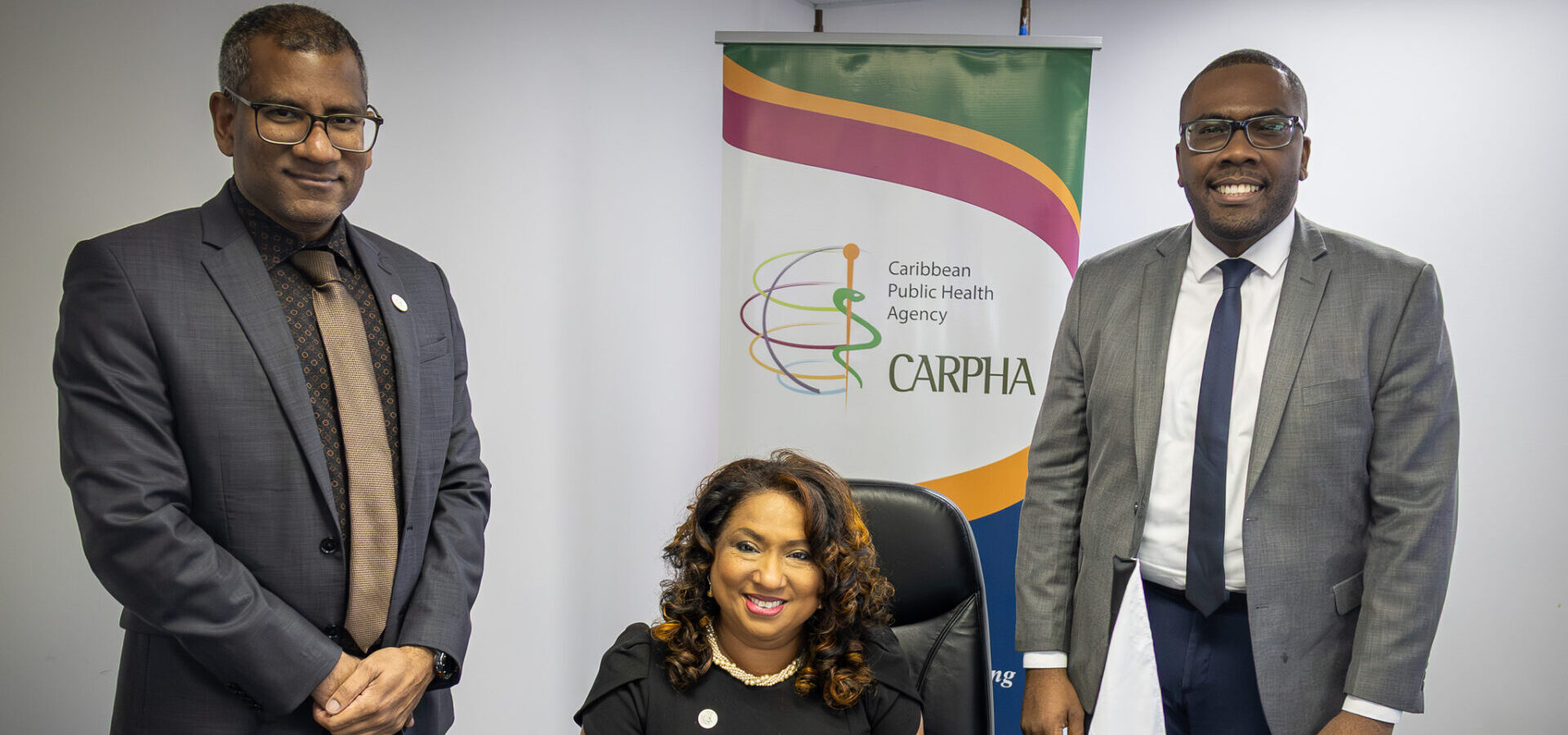
In a significant move to address the Caribbean’s persistent health challenges, the Caribbean Public Health Agency (CARPHA) and the Healthy Caribbean Coalition (HCC) have formally extended their collaborative partnership through a new five-year Memorandum of Understanding. This strengthened alliance specifically targets the region’s escalating Non-Communicable Disease (NCD) crisis through coordinated scientific and advocacy initiatives.
The renewed agreement builds upon eight years of established cooperation, combining CARPHA’s technical expertise in public health research with HCC’s robust civil society networks. The partnership will focus on enhancing policy implementation, advancing disease surveillance systems, and amplifying health education across CARICOM member states.
Dr. Kenneth Connell, President of HCC, emphasized the strategic importance of this collaboration: ‘This third consecutive MOU demonstrates civil society’s valued role as a strategic partner in public health. Our joint efforts will accelerate regional health measures as we approach the 2030 Sustainable Development Goals.’
CARPHA Executive Director Dr. Lisa Indar highlighted the practical implications: ‘Our collaboration ensures CARPHA’s evidence-based research translates into meaningful community action. Together we can accelerate policy implementation and empower Caribbean populations to make healthier choices.’
The partnership framework encompasses five strategic pillars:
1. Knowledge Development and Dissemination: Implementing innovative communication strategies to distribute scientifically sound information to stakeholders and improve health literacy
2. Organizational Capacity Building: Leveraging combined resources to strengthen civil society groups’ capabilities in implementing health initiatives
3. Expanded Partnership Networks: Developing broader coalitions to advance whole-of-society approaches to NCD prevention and policy coherence
4. Enhanced Advocacy Mechanisms: Strengthening civil society’s ability to hold governments accountable for regional and international NCD commitments
5. High-Level Governance Engagement: Engaging with regional bodies including COHSOD, COTED, and Heads of Government meetings to advance the NCD agenda
This reinforced collaboration arrives at a critical juncture as the Caribbean contends with disproportionately high rates of diabetes, hypertension, cardiovascular diseases, cancer, and respiratory illnesses. Both organizations reaffirm their commitment to creating a unified, resilient response to the region’s NCD crisis through continued collaboration with governments, civil society, and local communities.