Venezuela has abruptly severed all energy cooperation agreements with Trinidad and Tobago, escalating regional tensions following a disputed oil tanker interception by US forces. The decision was formally announced on December 15 through an official statement shared by Venezuelan Vice-President Delcy Rodríguez.
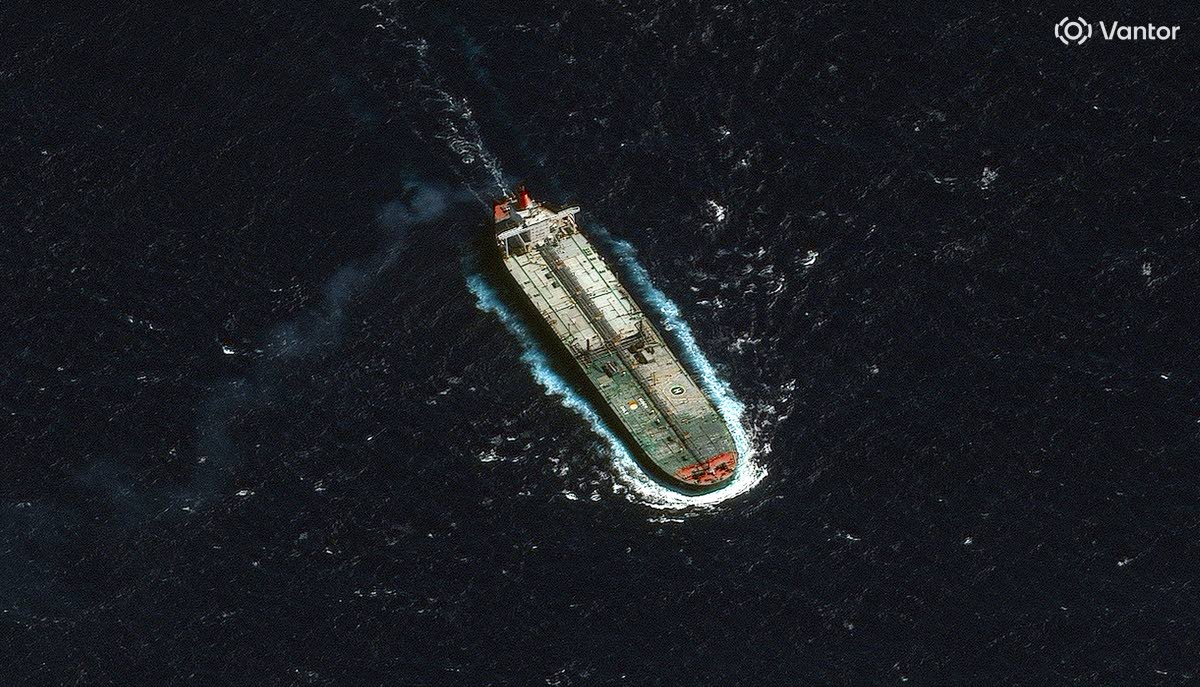
The diplomatic rupture stems from Venezuela’s allegation that Trinidadian authorities had prior knowledge of the US military’s December 10 interception of the crude oil tanker ‘Skipper’ off the Venezuelan coast. The vessel, reportedly transporting Venezuelan oil to Cuba, was seized in what Caracas characterizes as ‘an act of piracy violating international law and principles of free navigation.’
Venezuelan authorities explicitly condemned what they termed Trinidad’s transformation into ‘a US aircraft carrier to attack Venezuela,’ referencing Prime Minister Kamla Persad-Bissessar’s alleged ‘hostile agenda’ since her United National Congress party’s April election victory. The statement further referenced the October 27 termination of the Framework Agreement on Energy Cooperation between the nations.
Trinidadian leadership has vigorously rejected these allegations. Prime Minister Persad-Bissessar dismissed Venezuela’s claims as ‘false propaganda,’ asserting that complaints should be directed toward the Trump administration rather than Trinidad. She emphasized the nation’s energy self-sufficiency, stating: ‘We have never depended on Venezuela for natural gas supplies. We have adequate reserves within our territory.’
Energy Minister Dr. Roodal Moonilal echoed these sentiments, characterizing Venezuela’s statement as ‘hypocritical’ given Venezuela’s ongoing engagements with US energy giant Chevron. Both officials identified bureaucratic inefficiencies rather than international relations as the primary constraint on Trinidad’s energy development.
Opposition leader Stuart Young expressed profound concern regarding the termination’s potential impact on critical cross-border energy projects, particularly the Loran-Manatee field unitization agreement and Shell’s development of the Manatee field scheduled for 2027 production. Young warned this development compounds existing challenges including Nutrien’s closure and the National Gas Company’s failure to negotiate new contracts.
The incident occurs against the backdrop of Venezuela’s October declaration of Persad-Bissessar as persona non grata following her support for US military deployment in the Caribbean—a move she defends as necessary for combating drug trafficking, while Venezuela maintains US intentions center on regime change.