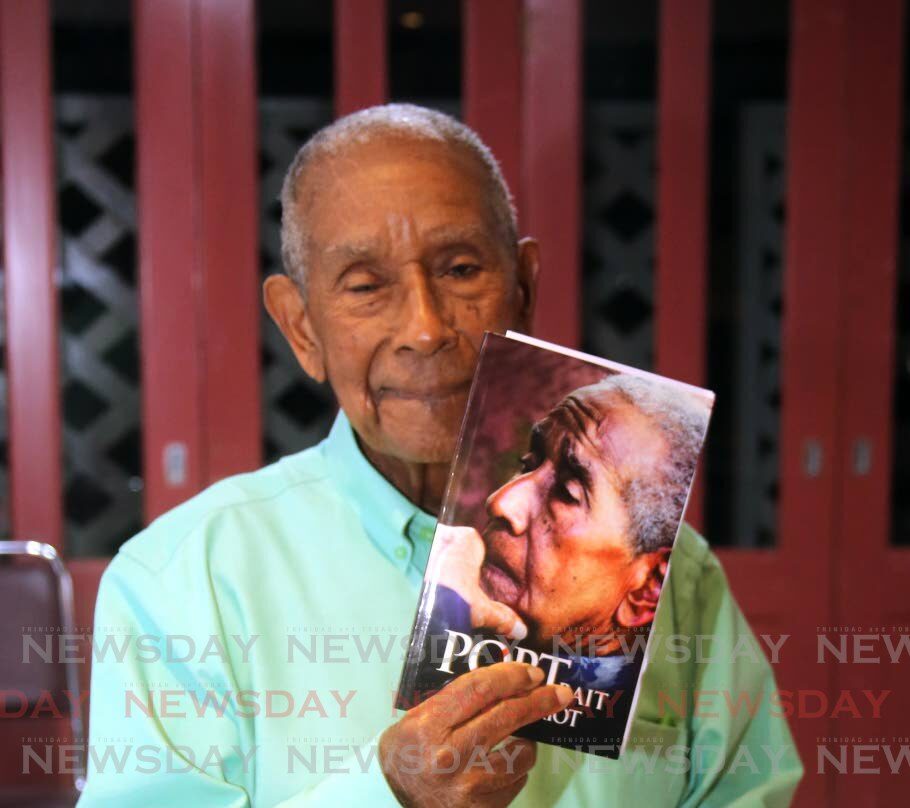
The political landscape of Trinidad and Tobago has lost one of its most distinguished voices with the passing of Ferdinand “Ferdie” Ferreira at age 93. A former key advisor to founding Prime Minister Dr. Eric Williams, Ferreira represented a vanishing breed of political thinkers who viewed governance as genuine public service rather than political theater.
Ferreira’s remarkable journey began humbly on the Port of Spain docks, where his formal education ended at age 14. His political awakening commenced in 1946 as a member of Butler’s Army of Liberation, with his informal education unfolding through vigorous debates at Woodford Square—the renowned open-air university that shaped generations of Trinidadian thinkers.
Despite his unwavering identification as a PNM loyalist, Ferreira distinguished himself through his uncommon willingness to engage respectfully with opposing viewpoints. He transformed political disagreement into an art form, consistently maintaining civil discourse without descending into rancor or personal attacks. His commitment to principled governance sometimes placed him at odds with his own party, most notably in 1980 when he was expelled from the PNM for questioning Dr. Williams’ demand for undated resignation letters from cabinet members.
This principled stance led Ferreira to help establish the Organisation for National Reconstruction and later contribute to building the National Alliance for Reconstruction before returning to the PNM fold in 1992 under Patrick Manning’s leadership. Throughout his six decades of political engagement—expressed through columns, letters to editors, and interviews—Ferreira never tempered his advocacy for transparent governance and mutual respect in parliamentary proceedings.
Even in his final years, he remained an outspoken commentator, challenging political conventions and amplifying dissenting voices within his party. His fearless commentary following the PNM’s April defeat and his balanced assessment of Opposition Leader Pennelope Beckles demonstrated his enduring commitment to honest political discourse.
The University of Trinidad and Tobago recognized his contributions with an Honorary Doctorate of Humane Letters in 2021, while his published works—including “Political Encounters 1946-2016” and his 2022 autobiography “Portrait of a Patriot”—stand as testaments to his intellectual legacy.