Recent Labor Force Survey data reveals a significant economic recovery underway in 2025, marking a substantial improvement from the dramatic contraction experienced the previous year. The latest figures demonstrate that workforce numbers are gradually returning to pre-decline levels, suggesting the 2024 reduction may have been transitional rather than permanent.
In September 2024, the labor force experienced one of its most severe contractions on record, plummeting to 166,206 individuals after maintaining stable numbers between 190,000-195,000 for several preceding years. This sharp decline prompted serious concerns among economists and policymakers about fundamental structural changes in the labor market.
The 2025 data, however, presents a markedly different picture. April’s figures climbed to 183,368 employed persons, followed by a September count of 181,863—both measurements representing significant improvements over 2024’s lows and moving closer to historical norms. This upward trajectory indicates that the factors driving last year’s decline may have been temporary disruptions rather than permanent alterations to workforce dynamics.
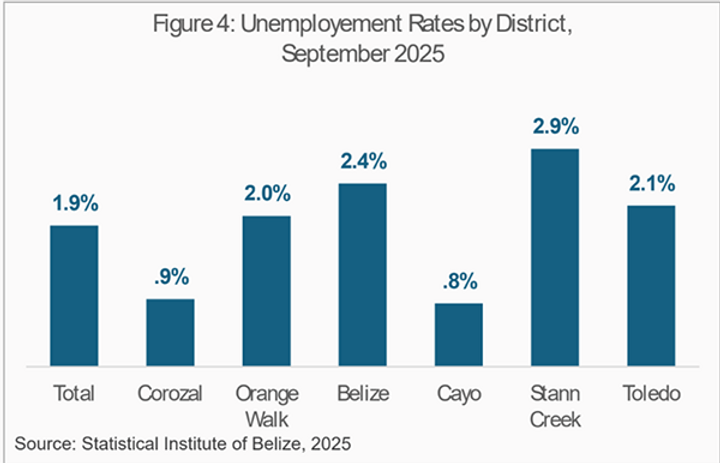
Simultaneously, the unemployment rate has continued its positive trend, dropping to 1.9% in September 2025 with only 3,421 individuals classified as unemployed. This figure sits below September 2024’s 2.1% rate and remains consistent with economic conditions typically associated with full employment.
The broader employment landscape reveals additional insights: approximately 64,129 workers (35.9% of all employed persons) operate within the informal economy, while underemployment affects 2,465 individuals who work fewer than 35 weekly hours but desire additional work opportunities.
Beyond the active workforce, more than 130,000 persons remained outside the labor force in September 2025, primarily due to household responsibilities, educational commitments, or other circumstances preventing active job seeking. These demographic factors continue to influence both participation rates and unemployment measurements.
While current labor force totals haven’t yet reached the peak levels observed between 2021-2023, the measurable recovery from 2024’s lows represents a positive development. Economists emphasize that continued monitoring will be essential to determine whether this upward movement signifies a sustained return to historical norms or reflects shorter-term adjustments in workforce participation patterns.