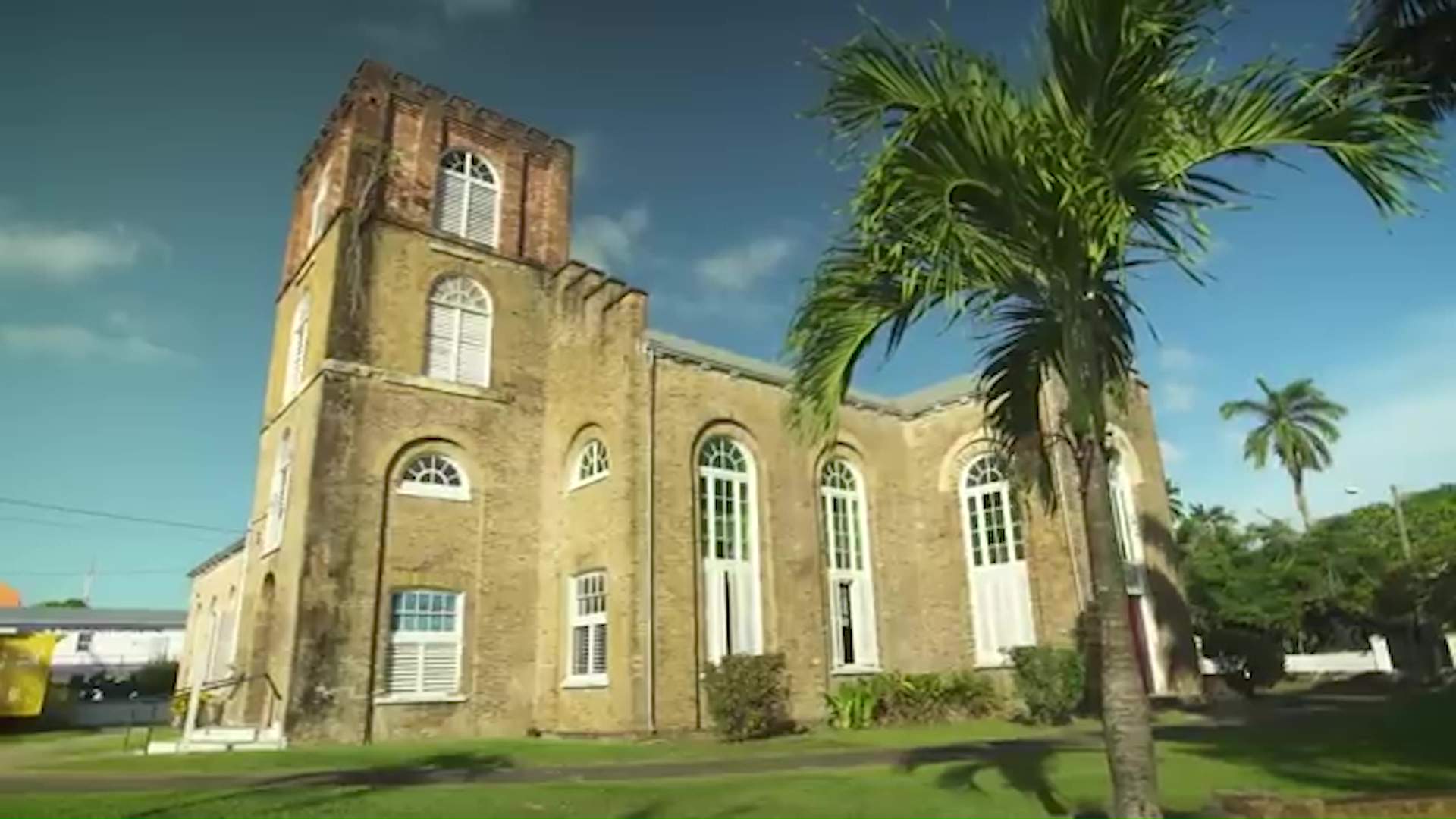
In Belize City, St. John’s Cathedral stands as a monumental testament to both faith and history, having weathered over two centuries of change since its construction in 1812. Built from ballast bricks transported from England, this architectural marvel represents the first Anglican place of worship in what was formerly British Honduras. Today, it functions as the mother church of the Anglican Diocese of Belize, offering profound insights into the nation’s colonial legacy and spiritual endurance.
The cathedral’s construction involved enslaved laborers, with baptismal records confirming their church membership even prior to emancipation. Historical accounts reveal that these early congregants faced severe restrictions, prohibited from crossing an inner fence that demarcated where they could stand during services.
Despite numerous challenges, including hurricane damage that destroyed all but one original pew (now reserved for the Governor General), the cathedral maintains its active religious role. Current members like Patrick Faber, with four decades of attendance, and tour guide Jacinta Garbutt emphasize that the building remains a vibrant center of worship rather than a museum. Regular services, educational programs with Anglican Cathedral College, and special ceremonies including weddings and funerals continue within its walls.
The site holds unique historical significance as the only cathedral outside the United Kingdom where coronations occurred—specifically, four Mosquito Coast kings were crowned here during the mid-1800s. This extraordinary detail underscores the cathedral’s importance in regional history.
Contemporary visitors, such as Cynthia Royce from California, frequently express admiration for both the preserved structure and the dedicated conservation efforts. Ongoing maintenance relies partially on visitor donations, ensuring that this cultural cornerstone continues to symbolize Belize’s spiritual identity while its bell still tolls twice daily, calling worshippers to prayer.