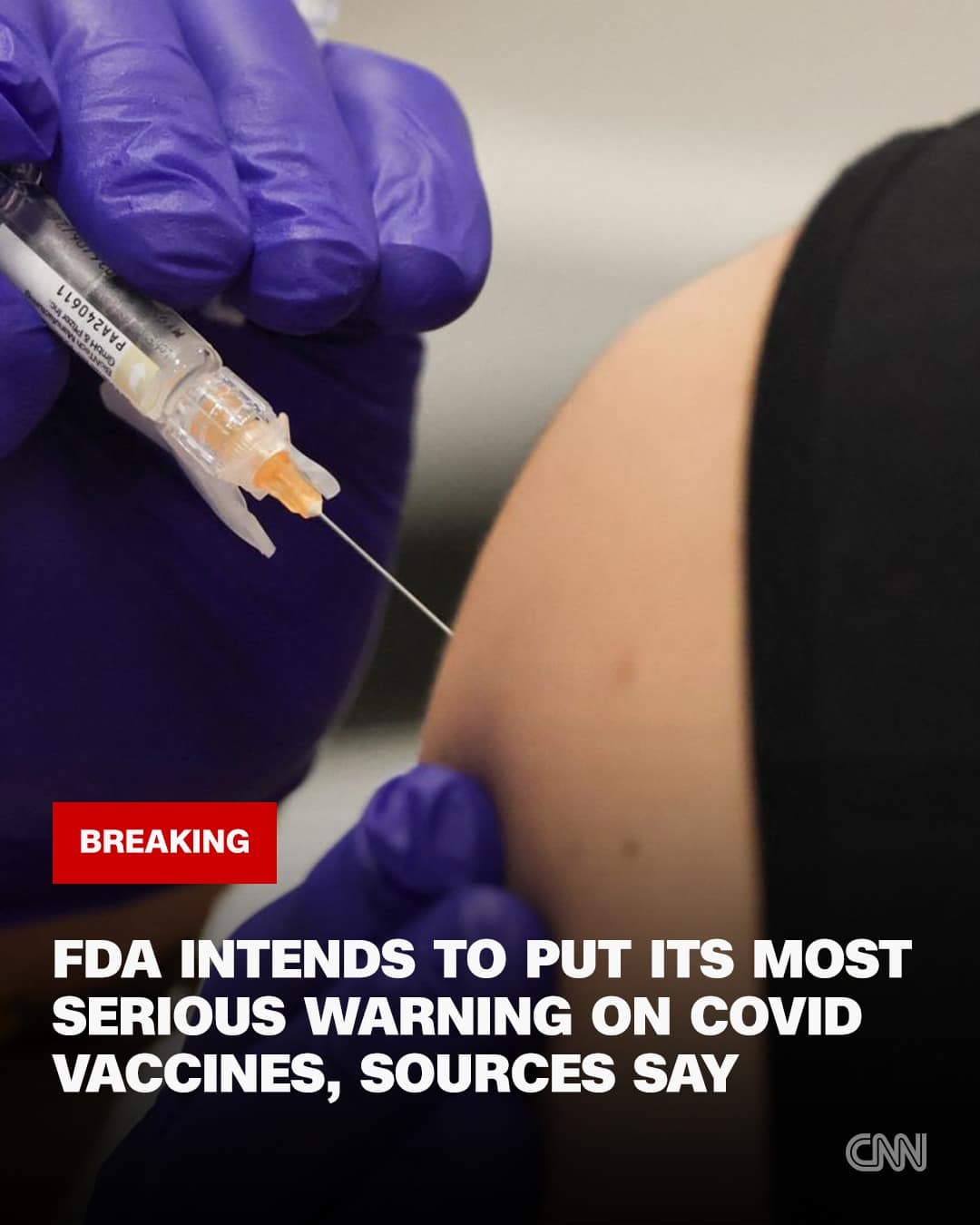
The U.S. Food and Drug Administration is reportedly developing plans to implement its most stringent safety warning—the black box designation—for COVID-19 vaccines, according to sources familiar with the agency’s deliberations. This significant regulatory step, orchestrated under Dr. Vinay Prasad, Director of the FDA’s Center for Biologics Evaluation and Research, would represent the strongest cautionary labeling in the agency’s arsenal, typically reserved for medications carrying risks of death or life-threatening complications that must be carefully weighed against therapeutic benefits.
The proposed warning system, which remains unfinalized and subject to modification, has sparked intense debate within scientific circles. While specifics regarding which vaccines would be affected (mRNA-based versus all COVID-19 vaccines) and applicable age groups remain undetermined, the potential implementation has drawn sharp reactions from various stakeholders.
Pharmaceutical manufacturers Moderna and Pfizer have vigorously defended their vaccine safety profiles, citing extensive global monitoring systems that have distributed billions of doses without identifying new safety concerns. Moderna referenced its September statement emphasizing rigorous safety surveillance across more than 90 countries, while Pfizer similarly reaffirmed its vaccine’s safety and efficacy profile.
The scientific context reveals complex considerations: COVID-19 vaccinations have demonstrated substantial public health benefits, with one study estimating approximately 20 million deaths prevented globally during their first year of deployment. Recent CDC data indicates vaccinated children experienced significantly reduced risks of emergency medical visits during the 2024-25 respiratory virus season, with effectiveness rates ranging from 56% to 76% across different age cohorts.
The debate intersects with political dimensions, as the administration of President Donald Trump—which originally championed the record-speed vaccine development through Operation Warp Speed—now includes vaccine-skeptical officials like HHS Secretary Robert F. Kennedy Jr. Dr. Prasad himself has been a controversial figure, having previously resigned under pressure before returning to his position weeks later.
Critics within the public health community have expressed concern about the process, noting the absence of traditional scientific review mechanisms such as advisory committee meetings or public data vetting. A dozen former FDA commissioners jointly published an open letter in the New England Journal of Medicine expressing apprehension about “sweeping new FDA assertions about vaccine safety” without transparent scientific deliberation.
The situation illustrates the ongoing tension between vaccine safety monitoring and maintaining public confidence in immunization programs, with significant implications for future pandemic response capabilities and regulatory integrity.