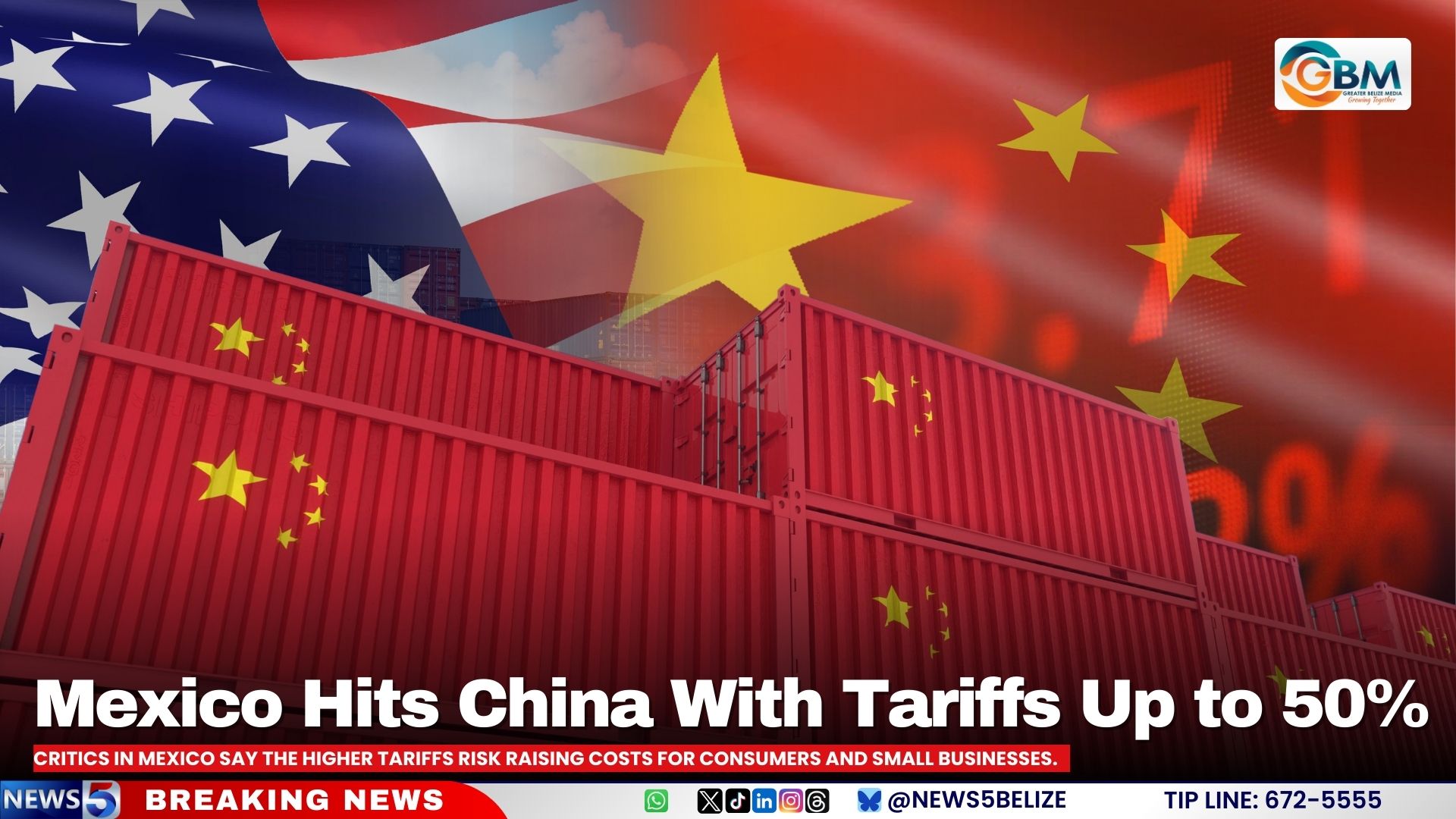
In a significant trade policy shift, Mexico’s Senate has authorized comprehensive tariff increases exceeding 50% on imports from China and numerous non-free-trade-agreement nations, scheduled for implementation on January 1, 2026. The protective measures encompass approximately 1,400 product categories including industrial metals, automotive vehicles, textile apparel, and household appliances.
Government officials assert these tariffs align with World Trade Organization regulations and are designed to bolster domestic manufacturing capabilities. Senator Claudia Selene Ávira emphasized the policy’s objective to “safeguard commodities that Mexican industrial sectors possess adequate production capacity to manufacture locally.”
The automotive sector faces particularly stringent barriers, with Chinese-manufactured vehicles subject to the maximum 50% duty rate. This development occurs amid rapid market expansion by Chinese automotive giants BYD and MG within the Mexican marketplace.
The Mexican Auto Industry Association has enthusiastically endorsed the protectionist measures. Association President Rogelio Garza characterized the policy as “exceptionally favorable for entities investing in Mexican industrial development and employment generation.”
This strategic trade action coincides with ongoing negotiations between Mexican and United States trade representatives following former President Donald Trump’s allegations that Mexico serves as a transshipment conduit for Chinese commodities. Trump has previously threatened imposing substantial tariffs on Mexican steel, aluminum, and agricultural exports.
Despite governmental assurances, economic analysts within Mexico caution that these protective tariffs may inadvertently elevate consumer prices and operational expenses for small-to-medium enterprises reliant on imported components.