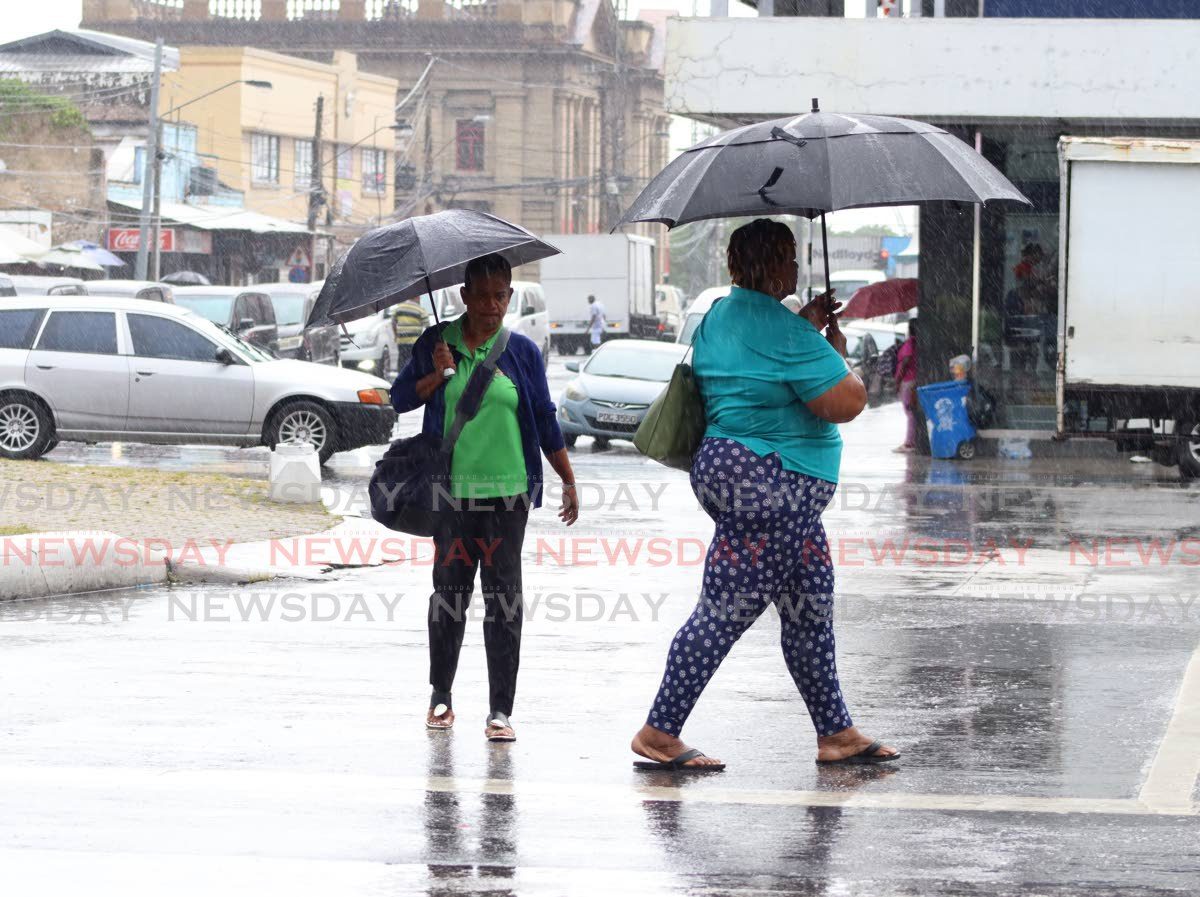
Meteorological authorities in Trinidad and Tobago have released a comprehensive forecast indicating an atypical 2026 dry season characterized by near-normal to above-normal rainfall patterns alongside elevated temperatures. The analysis, presented by Acting Chief Climatologist Kaidar Kissoon during the 19th National Climate Outlook Forum, reveals significant deviations from historical seasonal norms.
The climatic outlook stems from two primary factors: a weak La Niña system that emerged in October and unusually warm sea surface temperatures extending from Trinidad’s eastern waters into the tropical Atlantic. These conditions are projected to enhance moisture availability for cloud formation during January-May 2026, particularly influencing the season’s first half.
Rainfall projections indicate a 56-76% probability of above-normal precipitation across most regions between January and March, with December 2025 and January 2026 expected to receive the bulk of rainfall. The nation anticipates approximately 97 dry days (recording less than 1.0mm rainfall), notably below the historical average of 108 dry days. Spatial distribution shows northern and eastern areas including Valencia, North Oropouche, and Sangre Grande in Trinidad, along with Charlotteville and Roxborough in Tobago, likely to accumulate between 540mm and 769mm. Conversely, northwestern Trinidad and southwestern Tobago may receive only around 266mm.
Temperature projections suggest consistently above-normal readings both diurnally and nocturnally, with urban centers experiencing the most significant warming. Maximum temperatures may average 33.5°C in Trinidad and 32.5°C in Tobago during May, though brief cooler periods dipping below 20°C and 22°C respectively remain possible in January and February.
The climatic conditions present a dual impact scenario: initial wetter periods may improve water reservoir levels and reduce fire risks while potentially increasing mosquito breeding activity. The latter dry period typically brings heightened fire hazards and air quality concerns. Officials recommend water conservation measures, public awareness campaigns regarding disease vector control, and enhanced contingency planning for respiratory health management.