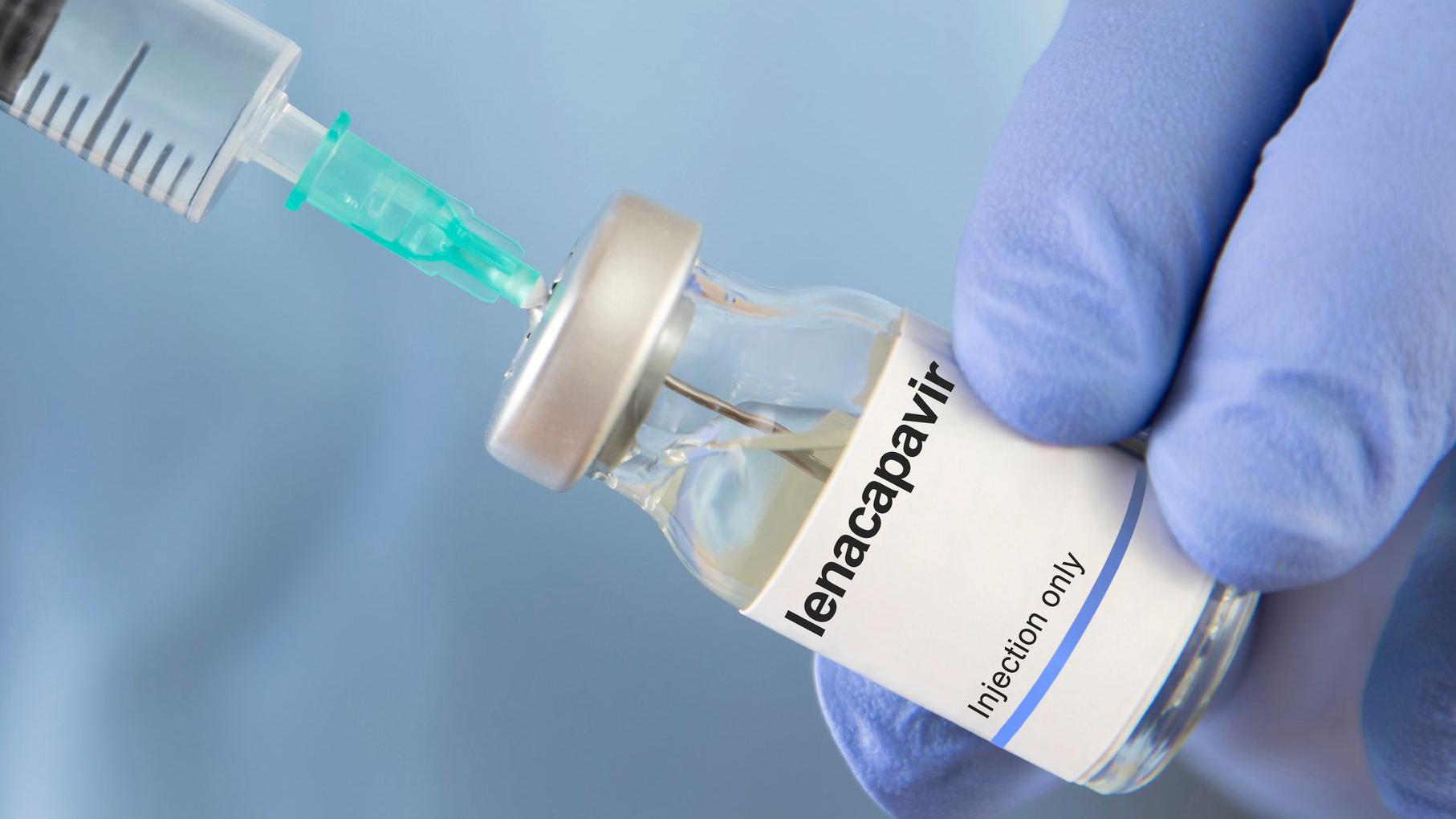
The Guyanese government has announced plans to acquire lenacapavir, an innovative anti-retroviral medication scientifically proven to provide up to six months of protection against HIV transmission. Health Minister Dr. Frank Anthony confirmed the nation’s intention to purchase this revolutionary prophylactic treatment, which could significantly alter the country’s approach to HIV prevention.
Currently marketed under the brand name Pre-Exposure Prophylaxis (PrEP) and endorsed by the World Health Organization, the medication carries a substantial price tag of approximately $25,000 in markets like the United States. Minister Anthony revealed that Guyana anticipates negotiating more affordable acquisition terms within the next one to two years, particularly as the drug approaches patent expiration.
“We’re optimistic that post-patent expiration will enable us to access this medication at a reduced cost,” Dr. Anthony stated. “Many experts believe this treatment could revolutionize HIV care, and we’re collaborating with international partners to facilitate its availability.”
The Health Minister explicitly committed to providing lenacapavir free of charge to citizens if the government successfully secures it at lower off-patent prices. This initiative follows a significant precedent set in South Africa, where the Clinton Health Access Initiative partnered with the Gates Foundation and research institutions to negotiate access at approximately $40 per dose—a dramatic reduction representing just 0.1% of the original cost.
According to BBC reports, this affordable alternative is scheduled for distribution across 120 low- and middle-income nations starting in 2027. The development is particularly crucial for Guyana, where official statistics recorded 449 new HIV cases in the previous year.
Minister Anthony further reported that 95% of Guyanese citizens are now aware of their HIV status, though not all positive individuals currently receive treatment. The government is simultaneously working to ensure viral suppression among those undergoing treatment, ultimately aiming to eliminate transmission risks. “Achieving viral suppression to prevent transmission represents our ultimate objective, and we’re dedicating substantial efforts toward maintaining progress in this critical area,” he concluded.