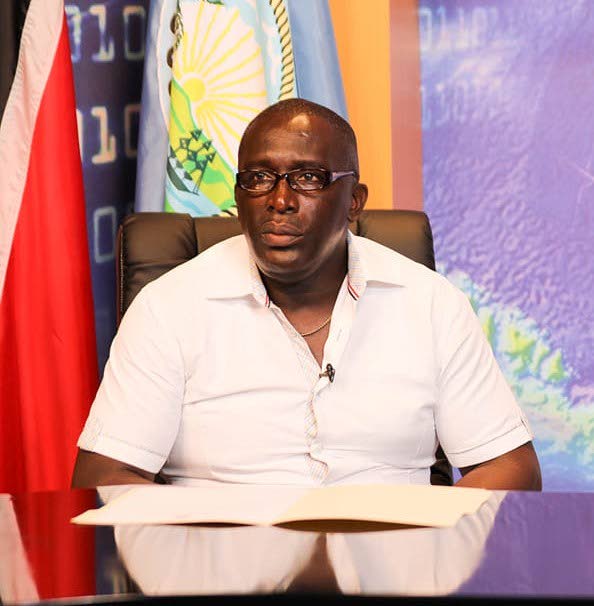
In a remarkable admission of underperformance, Tobago People’s Party (TPP) candidate Ian “Whitey” Pollard has publicly conceded his failure to fully deliver on development promises for the Mason Hall North/Moriah electoral district. The Secretary of Settlements, Public Utilities and Rural Development offered his apology during a December 9th constituency meeting, marking a significant moment in Tobago’s political landscape.
Pollard assumed full responsibility for the development shortfalls while simultaneously attributing the challenges to financial constraints imposed by what he termed “the wicked PNM regime” over the past three years and four months. This dual acknowledgment of personal responsibility coupled with political blame-setting creates a complex narrative of accountability in Tobago’s governance structure.
The housing crisis emerged as a central issue, with discussions highlighting Tobago’s growing demand for diversified housing solutions beyond traditional single-family units. The TPP has leveled serious allegations against the PNM, accusing them of withholding funds from an Inter-American Development Bank loan specifically designated for the Riseland housing project—a claim that adds layers to the ongoing political friction.
Prime Minister Kamla Persad-Bissessar’s November 4th announcement regarding the project’s imminent commencement contrasts sharply with Pollard’s portrayal of systematic fund withholding, creating competing narratives about the project’s status.
With the January 12th elections approaching, Pollard delivered an impassioned plea for voter support, urging constituents to decisively remove the PNM from power. His appeal addressed potential voter apathy, acknowledging that internal governance realities often differ from campaign promises while maintaining that change must come through electoral participation rather than abstention.
Pollard will face PNM’s Kwesi DesVignes, the former Secretary for Infrastructure, Quarries, and Environment, in what promises to be a closely contested battle that reflects broader political tensions affecting Tobago’s development trajectory.