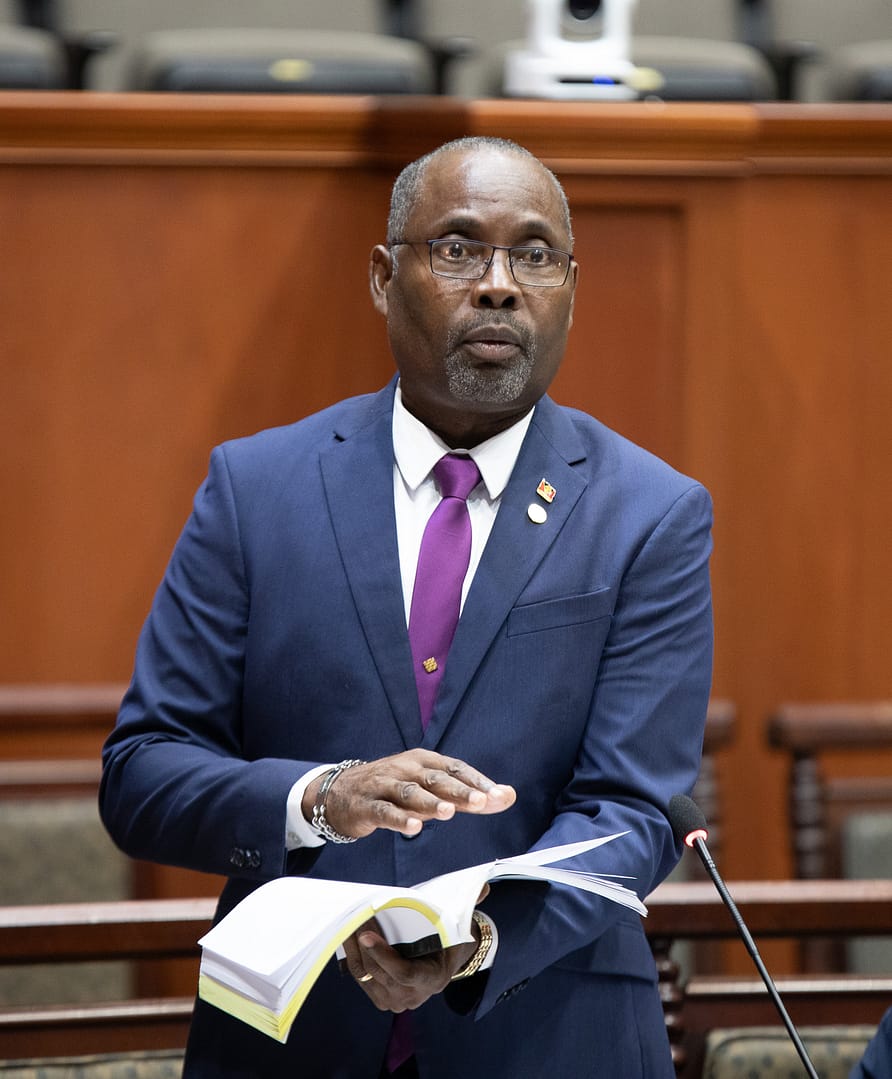
During Monday’s parliamentary Budget Debate, Opposition MP Richard Lewis delivered a compelling testimony on the severe economic pressures facing households across Antigua and Barbuda. The Rural West representative presented a sobering assessment of how escalating living costs are crippling family finances, with many residents exhausting their salaries well before month-end.
Lewis articulated that even traditionally stable income earners are experiencing unprecedented financial strain, particularly evident in routine supermarket visits where purchasing power has dramatically diminished. “The disconnect between expected and actual grocery purchases has become a weekly reality shock for thousands,” he stated, emphasizing that standard shopping budgets of $100-$200 now yield significantly fewer essentials.
With December’s expenses looming, the MP revealed that numerous constituents have already depleted most of their monthly resources, creating widespread anxiety about surviving until the next pay period. This financial vulnerability persists despite government reports highlighting macroeconomic growth and positive budget indicators.
Lewis challenged the administration’s economic narrative, arguing that statistical improvements “mean very little” to families grappling with soaring food prices, utility bills, and essential household expenses. He emphasized that citizens remain focused on fundamental “bread and butter issues” rather than abstract economic metrics.
The opposition figure directly connected the current crisis to fiscal policies implemented over the past decade, asserting that cumulative tax measures, increased levies, and additional fees have systematically eroded purchasing power and intensified budget pressures. Lewis concluded with an urgent appeal for the government to adopt a more “people-centred” approach that acknowledges and addresses the stark contrast between official economic reports and the daily realities experienced by ordinary citizens.