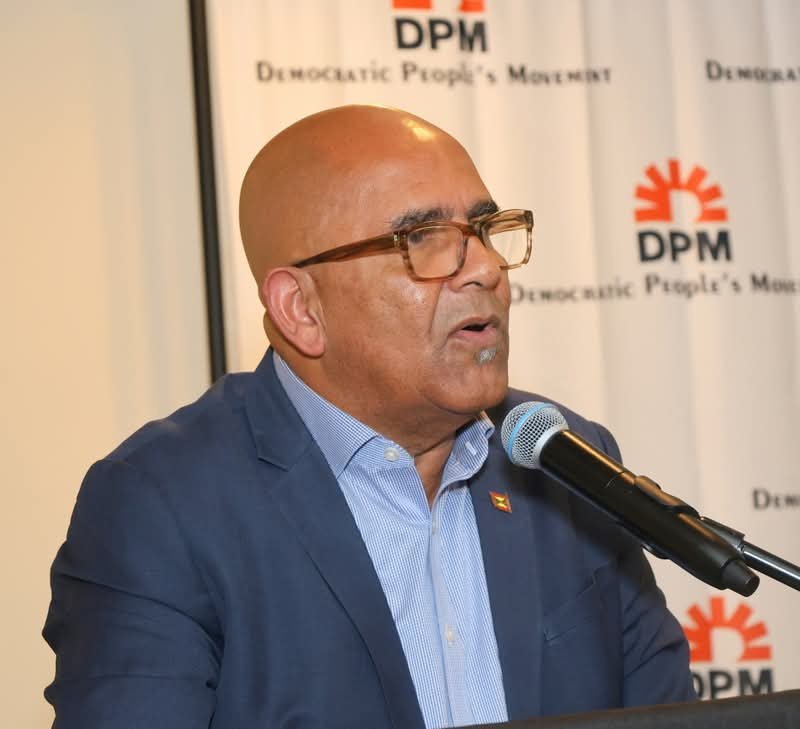
Grenada’s parliamentary opposition has delivered a sharp critique of the EC$1.9 billion national budget presented by Finance Minister Dennis Cornwall on December 1st, characterizing the fiscal plan as inadequate for driving meaningful economic transformation.
Peter David, Opposition MP for the Town of St. George and political leader of the Democratic People’s Movement, asserted that while the budget contained some positive elements, it fundamentally lacked the structural reforms necessary to revitalize Grenada’s economy. According to David, the expenditure allocations merely perpetuate existing patterns of resource distribution without addressing core developmental challenges.
“What we are witnessing is essentially maintenance-level governance rather than transformative policy-making,” David contended during parliamentary debates. “The current approach applies temporary fixes rather than implementing the deep structural changes that would genuinely transform our nation as the government claims to intend.”
David elaborated that authentic structural reform would involve comprehensive support systems for agricultural producers, young entrepreneurs, and enhanced community participation in decision-making processes. He emphasized that these measures constitute development priorities rather than partisan political issues.
The opposition leader highlighted several critical areas requiring immediate attention, including youth entrepreneurship development, agricultural sector revitalization, and food price stabilization. With approximately 80% of consumed food being imported, David warned that without strategic intervention, grocery prices would continue their upward trajectory, placing additional burdens on Grenadian households.
David painted a vivid picture of the economic anxieties facing ordinary citizens, noting that kitchen table conversations across the nation consistently revolve around concerns about medical expenses, educational costs, employment security, and basic subsistence. He framed the opposition’s critique as necessary advocacy for addressing these pressing public concerns through substantive policy recommendations.
The Democratic People’s Movement leader concluded that without significant alterations to the budgetary approach, the government’s transformation agenda would remain unfulfilled, leaving structural economic challenges unaddressed.