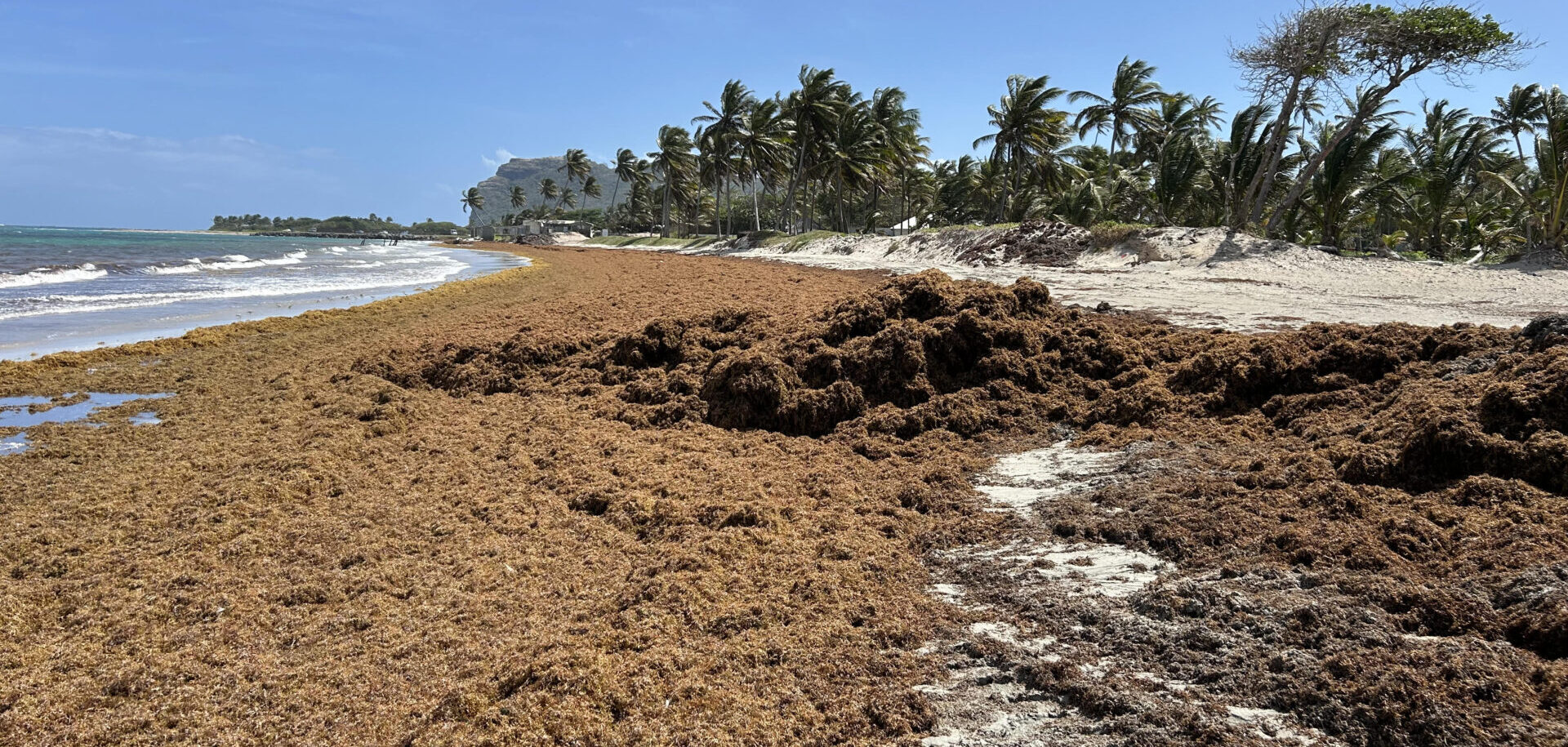
The Caribbean region has been confronting a monumental environmental phenomenon since 2011 as massive quantities of sargassum seaweed from the Great Atlantic Sargassum Belt continuously wash ashore across its coastlines. This persistent marine invasion typically peaks between April and August annually, affecting more than twenty island nations with profound ecological and socioeconomic consequences.
According to World Bank assessments, the Caribbean islands collectively expend over $120 million each year on cleanup operations alone. The decomposing algae releases hazardous gases that threaten public health while simultaneously smothering critical marine ecosystems including coral reefs, seagrass beds, and mangrove forests—vital habitats that sustain fisheries, tourism industries, and coastal community livelihoods.
In response to this challenge, the World Bank has organized an innovative webinar titled ‘Turning Sargassum into Opportunity: creating jobs in the midst of an ec-challenge’ scheduled for Tuesday, December 9. This virtual gathering aims to reframe the sargassum crisis by exploring its potential as a valuable renewable resource rather than merely an environmental nuisance.
The session will convene policymakers, industry pioneers, community representatives, and technical experts to examine practical strategies for converting sargassum biomass into economic assets. Entrepreneurial initiatives across the Caribbean are already demonstrating the algae’s potential applications in bioenergy production, agricultural fertilizers, industrial materials, cosmetics, and various bio-based products.
These emerging enterprises are generating employment opportunities, fostering technological innovation, and strengthening community resilience against environmental shocks. The webinar will particularly focus on the interconnected impacts of sargassum influxes on tourism and fisheries sectors, emphasizing the need for comprehensive strategies that both protect natural resources and promote sustainable economic development in vulnerable coastal regions.