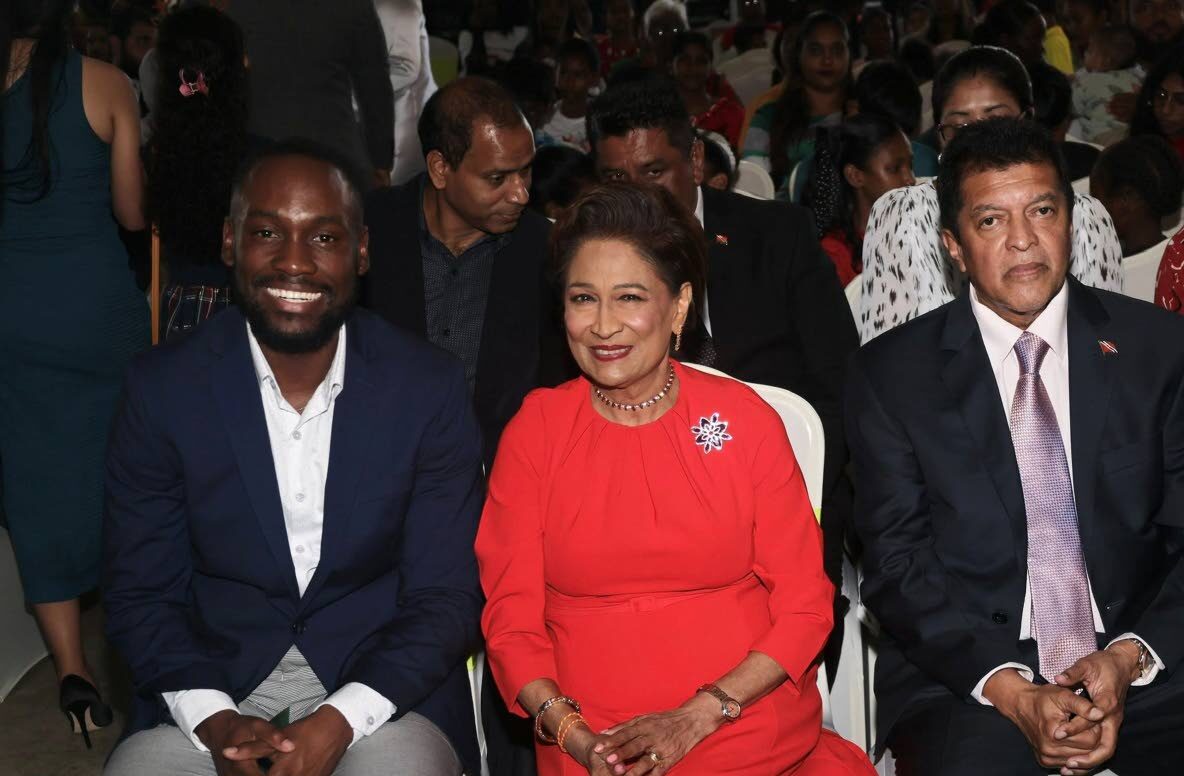
In a significant development for Caribbean regional cooperation, Trinidad and Tobago has initiated a groundbreaking medical partnership with Guyana. Prime Minister Kamla Persad-Bissessar announced during the Couva Children’s Hospital re-dedication ceremony that approximately 50 Trinidadian doctors will form the inaugural contingent heading to Guyana.
The Prime Minister revealed that while the Couva facility was originally envisioned as a regional medical hub, Guyana’s substantial investments in healthcare infrastructure have created new opportunities for collaboration. “Guyana will hire doctors from Trinidad and Tobago because we have so many well-trained doctors,” Persad-Bissessar stated, highlighting the surplus of medical professionals in her country.
This initiative follows Guyana’s massive GY$4.6 billion investment in medical infrastructure, including a new 50-bed hospital in the Moruca Region equipped with advanced diagnostic technology, surgical facilities, and local oxygen production capabilities.
The announcement has been met with enthusiasm by early-career medical professionals in Trinidad and Tobago. An anonymous neurosurgery trainee welcomed the initiative, noting the current market challenges where many junior doctors face unemployment or temporary contracts without benefits. Similarly, a young optometrist expressed hope that this would provide much-needed stability, acknowledging that “the industry isn’t expanding as fast as the students are graduating.”
However, the initiative has raised concerns among nursing professionals. Idi Stuart, president of the Trinidad and Tobago Registered Nurses Association, warned of potential negative consequences for the nursing sector. While acknowledging the doctor surplus, Stuart emphasized the existing nursing shortages in specialized areas and expressed concern that competitive Guyanese salaries might attract Trinidadian nurses, exacerbating local shortages.
Stuart questioned the allocation of educational resources, suggesting that funding should be redirected from medical programs to address nursing shortages. He criticized the approach of training professionals for export while the country faces financial constraints, stating that Trinidad and Tobago should be more judicious in aligning educational investments with domestic needs.
The partnership represents both an opportunity for regional cooperation and a complex challenge in balancing domestic healthcare needs with international diplomatic initiatives.