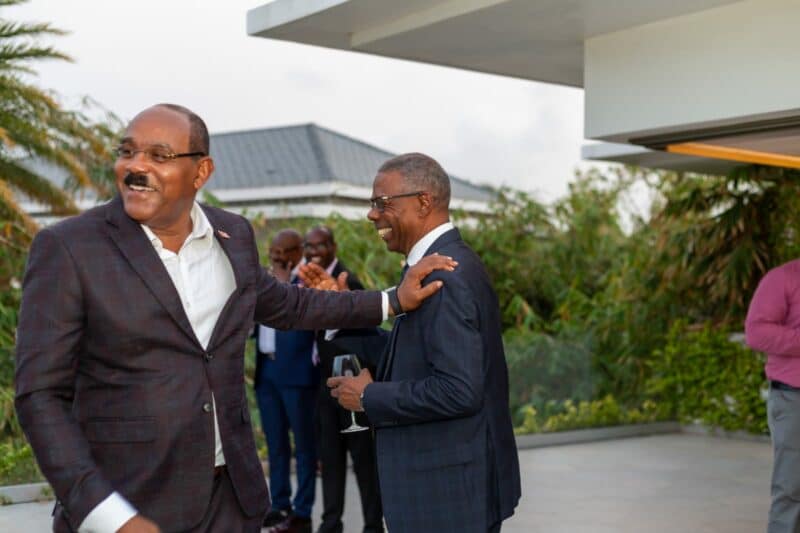
Prime Minister Gaston Browne has publicly defended his right to make critical statements about political opponents within the legislative chamber, specifically addressing recent controversial remarks directed at opposition parliamentarian Harold Lovell. The Prime Minister’s office issued a statement clarifying that his comments were protected under parliamentary privilege and therefore could not be considered defamatory under Antiguan law.
The controversy emerged following a parliamentary session where Browne made allegations regarding Lovell’s political conduct and decision-making. The Prime Minister asserted that his statements were based on documented evidence and represented legitimate political discourse rather than personal attacks. Constitutional experts have noted that parliamentary privilege provides legal immunity for statements made during official proceedings, though this protection typically extends only to remarks made within the legislative chamber itself.
This development occurs against a backdrop of increasing political tensions between the ruling Antigua and Barbuda Labour Party and the opposition United Progressive Party. Observers suggest the exchange reflects broader patterns of political rivalry in Caribbean democracies, where parliamentary privilege occasionally becomes a point of contention between governing and opposition parties.
The Prime Minister’s statement emphasized his commitment to robust political debate while maintaining that his criticisms remained within constitutional boundaries. The opposition has yet to issue an official response to these latest developments regarding the parliamentary exchange.