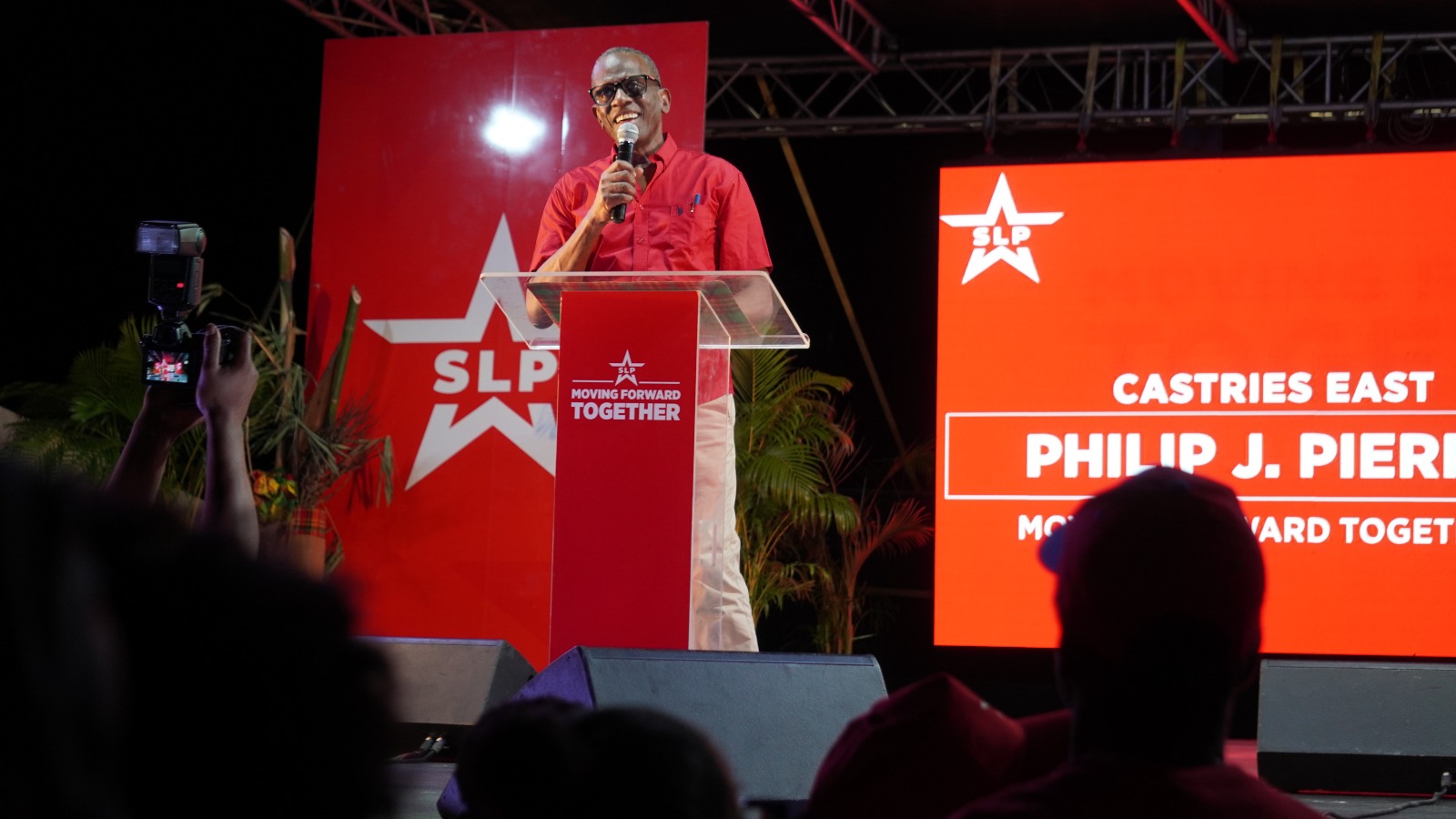
The Saint Lucian political landscape has delivered a decisive verdict, with Prime Minister Philip J. Pierre’s Saint Lucia Labour Party (SLP) securing a commanding supermajority in the December 1 general elections. This electoral outcome, analyzed through the unique lens of political calypso, reveals a nation largely satisfied with its leadership and deeply skeptical of the opposition. Traditionally a medium for anti-government sentiment, calypso music this season unusually echoed pro-administration views and delivered sharp critiques of the United Workers Party (UWP) and its leader, Allen Chastanet. The resonant lyrics of calypsonian TC Brown, in particular, are seen as having captured the national mood, framing the election as a direct referendum on leadership character and performance.
The core of the electorate’s decision appears to have hinged on a comparative assessment of the two leaders. Prime Minister Pierre was widely perceived as a humble, rooted, and empathetic figure whose policies—such as raising the minimum wage, liberalizing cannabis laws, and advancing the St. Jude Hospital project—were viewed as tangible benefits for ordinary citizens. His background and demeanor fostered a connection with the populace, positioning him as a leader who genuinely understood their struggles.
In stark contrast, Allen Chastanet and the UWP campaigned on a platform of visionary infrastructure projects and business acumen, harkening back to a pre-pandemic 2019 as a golden era. However, this message failed to gain traction. Chastanet was persistently portrayed by opponents as divisive, arrogant, and out of touch with the cultural and social fabric of Saint Lucia. Criticisms focused on his policy inconsistencies, unfulfilled promises from his previous term, and a perceived inability to connect with the electorate on a personal level. The UWP’s failure to present a cohesive shadow cabinet further exacerbated sentiments that the party was overly centralized around a flawed leadership.
Analysts like Dr. Anderson Reynolds suggest that the UWP’s future resurgence is intrinsically tied to moving beyond the leadership of Chastanet and Deputy Guy Joseph, whom the public has shown a clear reluctance to rally behind. The election result, featuring a statistically significant positive swing for the incumbent government—a rarity in the Caribbean for a second-term party—signals a robust vote of confidence in Pierre’s administration. Voters ultimately chose the leader they deemed more trustworthy, caring, and effective, solidifying a new political chapter for Saint Lucia grounded in perceived humility and service over grand, unfulfilled vision.