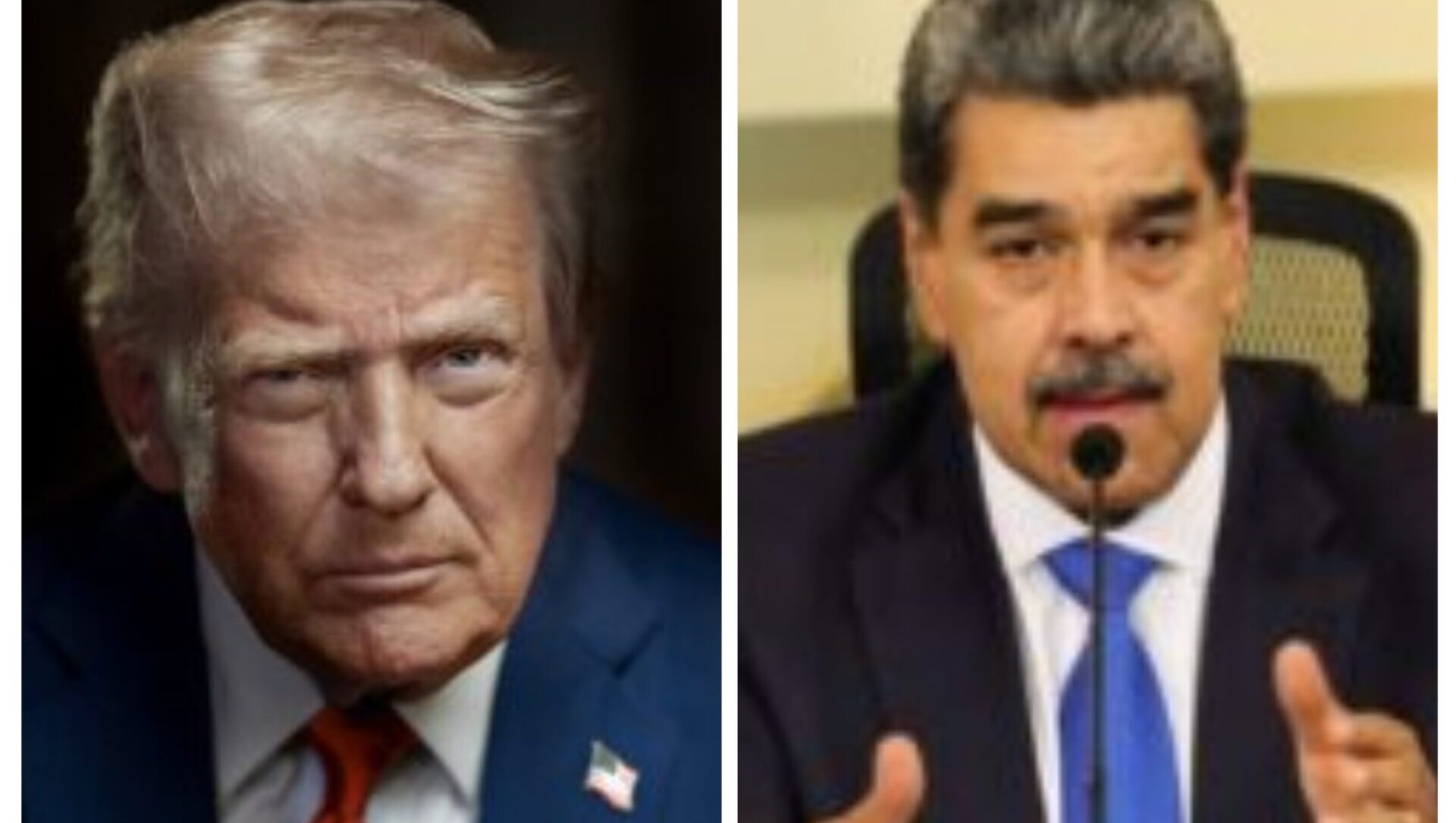
A significant geopolitical dispute has emerged between Venezuela and the United States regarding American military activities in the Caribbean region. Venezuelan President Nicolás Maduro has publicly accused the US of deploying military forces to secure access to Venezuela’s substantial oil reserves, which rank as the world’s largest proven deposits.
The US State Department has categorically denied these allegations, maintaining that its recent military operations—including airstrikes over the past three months that reportedly resulted in approximately 80 civilian casualties—are exclusively targeting drug trafficking networks. However, critics cited by The Guardian question the effectiveness of these tactics, noting that most narcotics enter the United States through Mexico rather than Caribbean routes.
Energy experts provide a more nuanced perspective on the situation. Francisco J Monaldi of Rice University acknowledges that oil interests may play a role but argues they cannot be the primary motivation, given Venezuela’s current minimal contribution to global oil production—less than 1% despite its massive reserves. The country’s oil industry has suffered catastrophic decline due to years of mismanagement, international sanctions, and critically insufficient investment.
The sanctions landscape has been particularly volatile. Former President Donald Trump initially imposed stringent sanctions banning Venezuelan oil imports, which President Joe Biden temporarily lifted in an effort to promote democratic reforms. Following Maduro’s controversial re-election amid allegations of electoral manipulation, Trump reinstated these restrictions.
This pattern has led some analysts to suggest that regime change rather than oil access might be the ultimate objective, especially considering Trump’s consistent opposition to Maduro and his administration’s alliances with China, Russia, and Iran.
Venezuela faces monumental challenges in revitalizing its oil sector, including profound political instability and severely deteriorated infrastructure. José Ignacio Hernández, a legal scholar specializing in Venezuela’s energy industry, notes that even with governmental change, international companies would require stability guarantees before committing substantial investments, with US energy giant Chevron positioned to benefit most from any normalization.
Despite these complex realities, Colombian President Gustavo Petro has aligned with Maduro’s perspective, characterizing recent US military actions as fundamentally “a negotiation about oil” rather than genuine counter-narcotics or democracy promotion efforts.