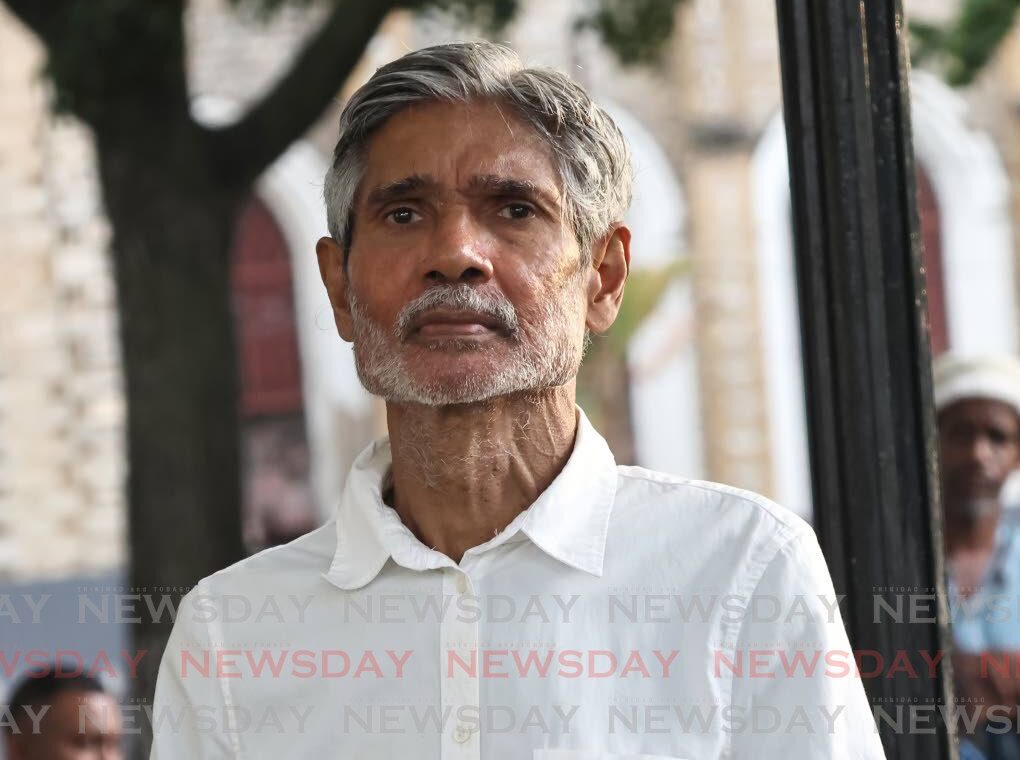
Prominent environmental activist Dr. Wayne Kublalsingh has issued a forceful demand for Prime Minister Kamla Persad-Bissessar to relinquish her position, accusing her of embroiling Trinidad and Tobago in what he characterizes as an “imperialist” agenda through alleged support of controversial US military operations in the region.
The controversy stems from ongoing US counter-narcotics operations that have resulted in over 80 fatalities across more than 20 lethal strikes in the Southern Caribbean and Pacific since September 2. United Nations Human Rights Chief Volker Türk has declared these operations in violation of established international law.
During a December 7 vigil for peace at Woodford Square in Port of Spain, organized amid escalating US-Venezuela tensions, Kublalsingh delivered a scathing indictment of the government’s foreign policy alignment. “She appears to be actively encouraging this military approach, mirroring the previous Trump administration’s attempted strategy of invading Venezuela, installing an illegitimate leader, and securing oil access,” he asserted.
The environmental advocate accused the administration of abandoning diplomatic channels in favor of militarized approaches, stating that Persad-Bissessar was following the “American playbook” of confrontation rather than negotiation. He called for her to “step aside peacefully and diplomatically” to preserve national interests.
Regarding ongoing US investigations into potential war crimes allegations, Kublalsingh warned that the Prime Minister was effectively painting targets on herself and her supporters. He challenged the evidentiary basis of the strikes, demanding: “Has America produced any verification that these vessels transported drugs? Any proof these individuals were traffickers? The answer is none.”
Radio and television personality Abeo Jackson amplified these concerns in an impassioned address, urging national unity across political divisions to confront what she termed the government’s “betrayal” of economic sovereignty. She specifically referenced damaged relations with Venezuela and lost opportunities for oil access, arguing that the administration was sacrificing national interests to align with “big imperialist nations.”
Movement for Social Justice leader David Abdulah, addressing questions about the modest turnout, emphasized the qualitative significance of the diverse cross-section of participants. He maintained that Trinidad and Tobago’s international reputation had suffered severe damage due to the administration’s policies, stating that protesters were “maintaining the integrity of TT” against complicity in questionable international operations.
All three speakers framed the situation as a critical juncture for Caribbean sovereignty, invoking historical struggles for self-determination and calling for the region to maintain its status as a “zone of peace” through diplomatic engagement rather than military alignment.