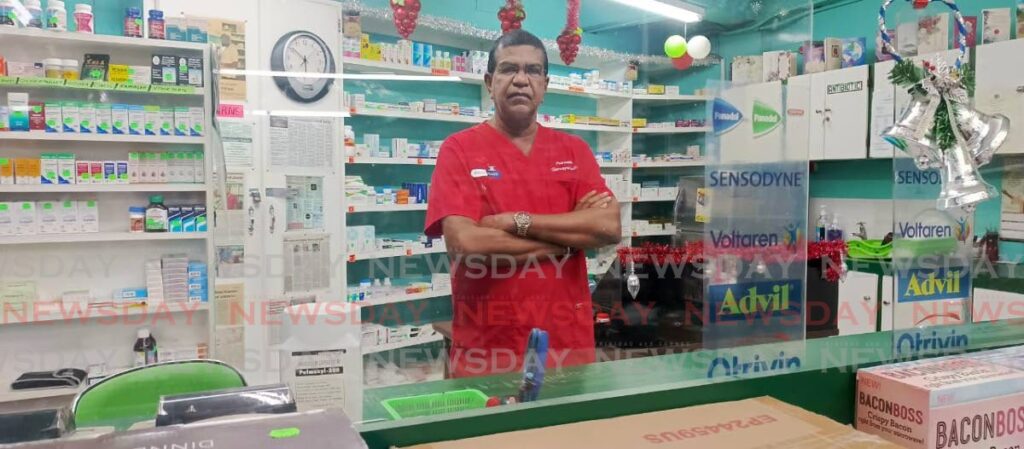
Trinidad and Tobago’s pharmaceutical sector faces mounting scrutiny as market consolidation allegations prompt official parliamentary investigation. Glenwayne Suchit, President of the Private Pharmacy Retail Business Association (PPRBA), has expressed cautious optimism following Prime Minister’s commitments to address what he describes as a rapidly consolidating monopoly threatening both industry competition and consumer affordability.
Suchit’s concerns center on market dominance by major players, particularly Aventa and its parent company Agostini Ltd, which he claims control approximately 74% of private wholesale markets and dominate public-sector procurement. The association’s comprehensive 80-page report, prepared by legal counsel Ted Roopnarine, details acquisition patterns that have substantially reduced competition through takeovers of competitors including M-Pharm and Oscar Francois.
The Parliamentary Public Administration and Appropriations Committee (PAAC) has initiated an inquiry into pharmaceutical acquisitions, issuing subpoenas to multiple government agencies including the Ministry of Finance, Chemistry Food and Drugs Division, Customs and Excise, and the Pharmacy Board. The hearing has been adjourned until January 26 pending further evidence collection.
Agostini Ltd responded to allegations with a December 5 press release acknowledging regulatory reviews while maintaining the distribution sector remains “regulated and competitive” with over 70 registered distributors. The company disclosed Aventa secured 34.3% of tender awards by value in the 2023-2025 procurement cycle, with combined retail operations representing 18% market share.
Suchit contends these figures actually validate his concerns, noting that when combined with Bryden’s market share, the two entities control approximately 54% of government tender awards. He further highlighted systemic issues including $80 million in expired pharmaceuticals discovered at Nipdec’s central storage facilities, which he had previously warned about in August 2023.
Additional challenges include malfunctioning CDAP program infrastructure leaving pharmacies unpaid since March, with over 200 establishments essentially “working for free” according to Suchit. Registration delays at the CFDD have also drawn criticism, with routine products reportedly taking up to a decade for approval.
The Fair Trading Commission faces particular scrutiny for its handling of competition complaints, with Suchit alleging the agency misunderstood its investigative powers and procedural requirements. Despite these challenges, the PPRBA maintains constructive relations with the Ministry of Health and believes the PAAC inquiry will catalyze necessary institutional reforms to restore market balance.