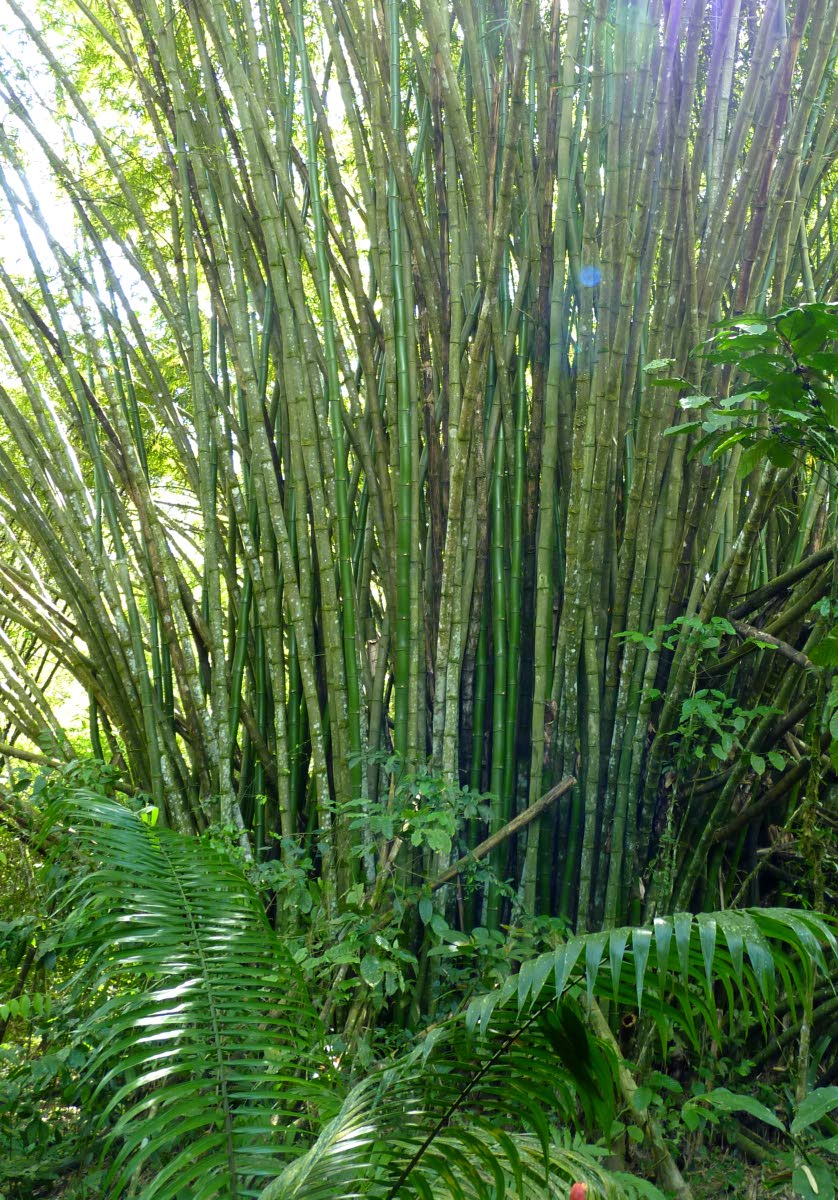
Despite its tree-like stature, bamboo is scientifically classified as a type of grass—specifically the largest grass species capable of forming forest-like stands. In Trinidad and Tobago, this versatile plant presents both ecological concerns and cultural significance, creating a complex relationship between native ecosystems and human traditions.
While Bambusa vulgaris (common bamboo) dominates the landscape, it is surprisingly non-native to the islands, originating from Asia. Trinidad and Tobago hosts several indigenous species including Arthrostylidium pubescens, found at higher elevations, and the potentially endemic Rhipidocladum prestoei, recognized by its distinctive fan-like branching pattern.
Legally, bamboo receives unique recognition under Trinidad and Tobago’s Forests Act, which categorizes it as a tree when growing on state lands. This classification grants the government regulatory control over harvesting and sales, requiring permits for extraction similar to traditional timber species.
The cultural applications of bamboo span multiple domains: construction, religious ceremonies, musical traditions, and artistic expression. In Hindu practices, bamboo forms jhandi flags—religious markers planted following puja ceremonies. During Divali celebrations, creatively bent bamboo structures support deyas, symbolizing light’s triumph over darkness. The plant also serves as the foundation for tamboo bamboo ensembles, a percussive musical tradition developed by Afro-Trinidadians in the 1800s that eventually evolved into the steelpan.
Environmentally, bamboo demonstrates remarkable utility in slope stabilization through its fibrous root systems that effectively combat soil erosion. However, the rapid growth rate of Bambusa vulgaris—reaching up to 30 centimeters daily—poses significant ecological threats. These fast-growing clumps outcompete native vegetation, reduce biodiversity, deplete soil nutrients, and create fire-prone environments through accumulated dry litter.
Globally, bamboo is gaining recognition as a sustainable resource for construction, textile production, and renewable materials. Trinidad and Tobago appears to be underutilizing this potential resource. Government and research institutions could play pivotal roles in evaluating bamboo’s economic viability through pilot projects that balance ecological conservation with sustainable development.