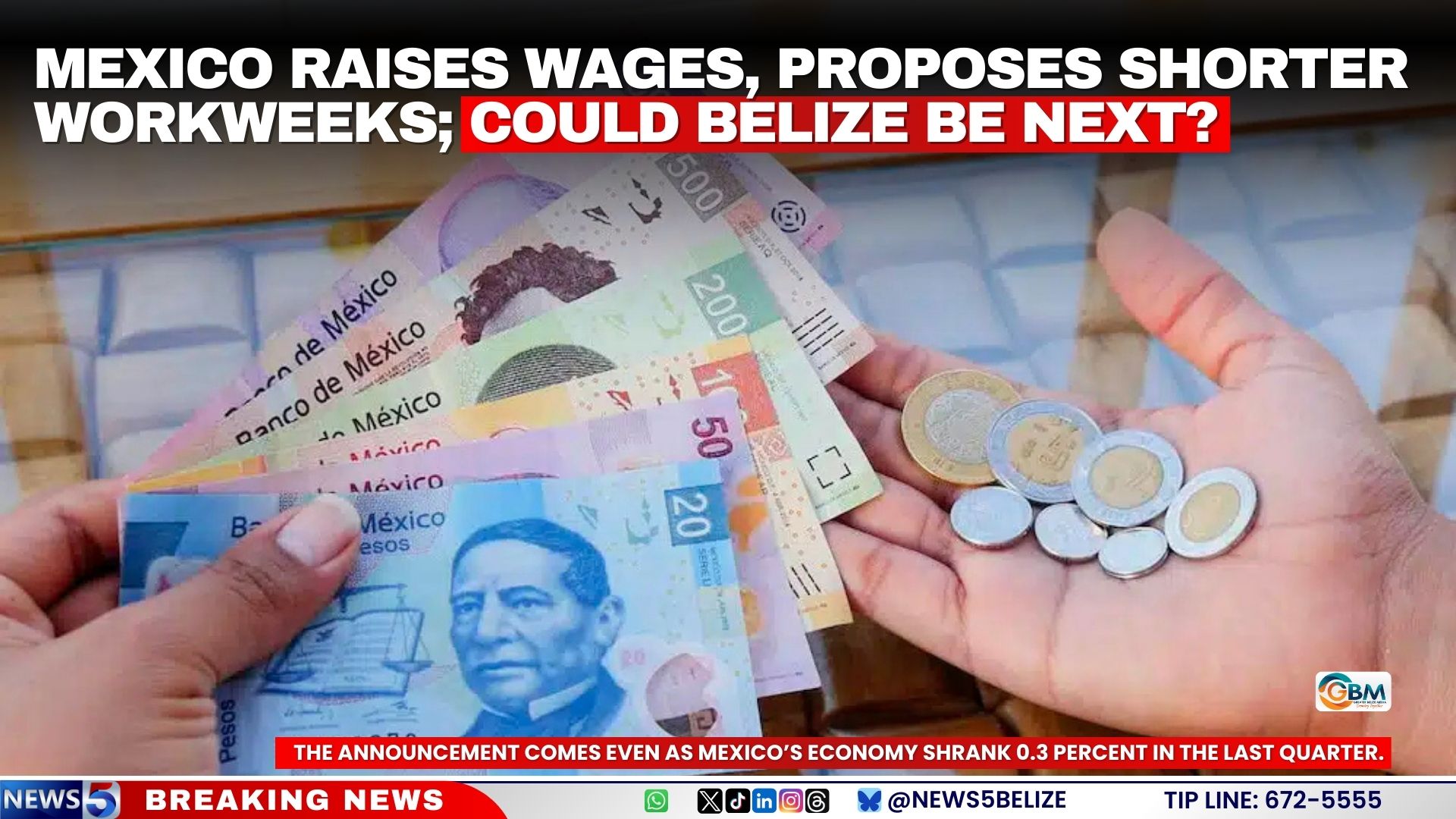
In a significant overhaul of its labor policies, Mexico has announced a dual-pronged approach to worker compensation and work-life balance. The administration of President Claudia Sheinbaum confirmed a substantial 13% increase to the national minimum wage, set to take effect in January 2026. This adjustment will elevate daily earnings to 315.04 pesos ($17.27 USD), with a higher rate of 440.87 pesos ($24.27 USD) established for the northern border zone to address economic disparities.
Concurrently, the government has put forward a groundbreaking legislative proposal to reduce the standard workweek. The plan outlines a gradual transition from the current 48-hour benchmark down to 40 hours, with a target completion date of 2030. This initiative represents one of the most progressive shifts in working conditions in the region’s recent history.
President Sheinbaum defended these economic policies against traditional criticisms, highlighting that minimum wage rates have surged by 154% since 2018 without deterring foreign investment. “Contrary to long-held economic doctrines that warned against wage increases, we are experiencing record levels of foreign investment,” Sheinbaum stated during her weekly press briefing.
These developments emerge against a backdrop of recent economic contraction, with Mexico’s GDP reporting a 0.3% decline in the last quarter. Meanwhile, neighboring Belize appears to be observing these changes with interest. Prime Minister John Briceño announced in September plans to raise the national minimum wage to $6 BZD per hour ($3 USD) in the coming year, potentially signaling a broader regional trend toward enhanced worker compensation standards.