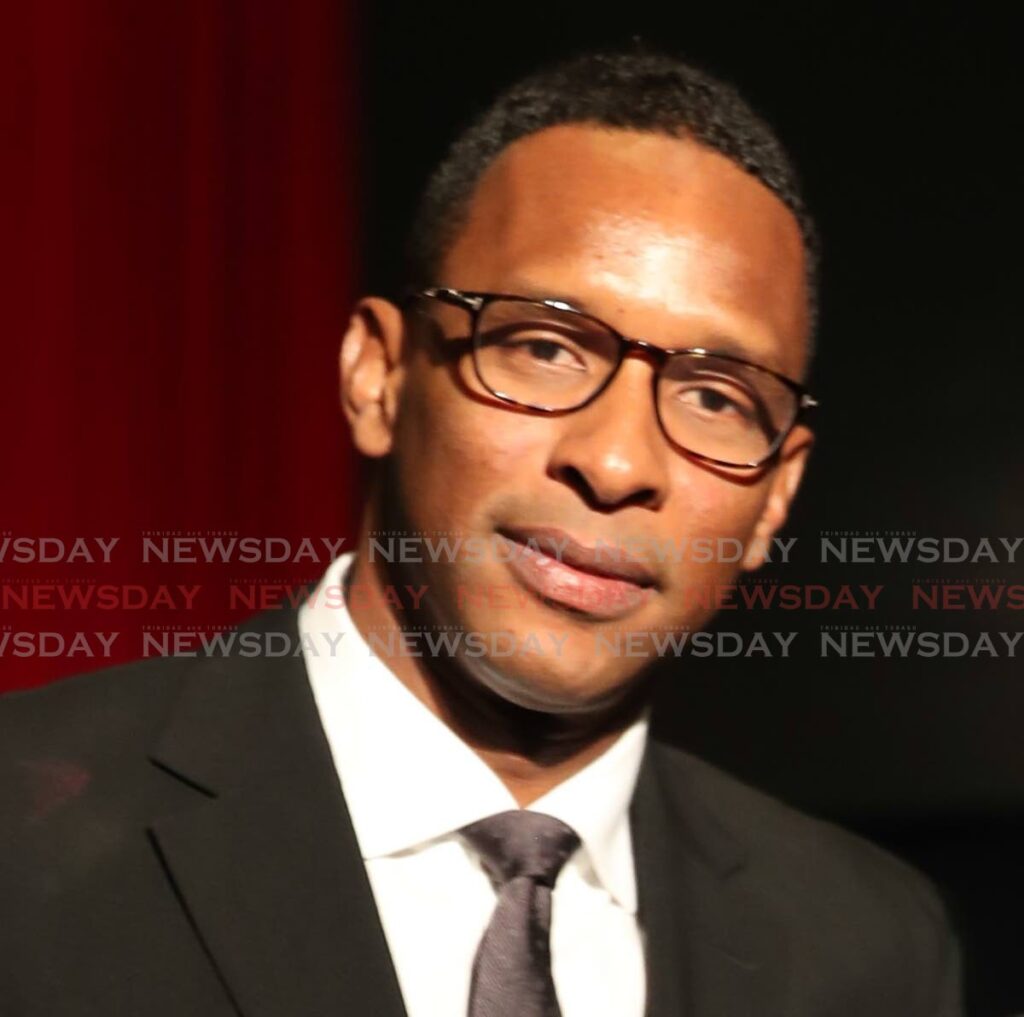
In a powerful convergence of personal courage, football legend Shaka Hislop and fashion industry veteran Christopher Nathan have simultaneously brought prostate cancer into the public spotlight through their brave disclosures. Their divergent experiences with the disease underscore critical gaps in male healthcare awareness and accessibility.
Hislop, 56, credited early detection with saving his life despite having no genetic predisposition or family history of prostate cancer. The former goalkeeper maintained annual check-ups, which ultimately revealed his condition. After undergoing MRI scans and biopsies, doctors discovered the cancer had spread to his pelvic bone by mid-2025. His recent completion of radiation treatment represents a success story of proactive healthcare.
In stark contrast, 63-year-old Nathan’s journey began with persistent back pain initially misdiagnosed as osteoarthritis at multiple medical facilities. Only when his symptoms intensified recently did advanced testing reveal stage four metastatic spinal cancer originating from previously undetected prostate cancer. Nathan now faces the difficult choice between palliative care or aggressive radiation and chemotherapy treatments.
Their stories emerge against a troubling backdrop of cultural barriers that prevent men from seeking timely medical attention. Deep-rooted taboos, gender norms promoting ‘macho’ indifference to vulnerability, and widespread distrust in healthcare systems contribute to dangerous delays in diagnosis. This is particularly concerning in the Caribbean region, which suffers among the world’s highest prostate cancer mortality rates.
According to Ministry of Health statistics from 2016-2020, prostate cancer accounted for 18.2% of all cancer deaths nationally, primarily affecting men over 55. Alarmingly, global trends identified by the American Cancer Society indicate rising cancer rates among adults under 50, amplifying the urgency for improved detection protocols and dismantling healthcare stigmas.
The parallel disclosures from these prominent figures from different generations and professional backgrounds create a unique opportunity to transform how societies approach male wellness, emphasizing that early intervention transcends age, status, or perceived invincibility.