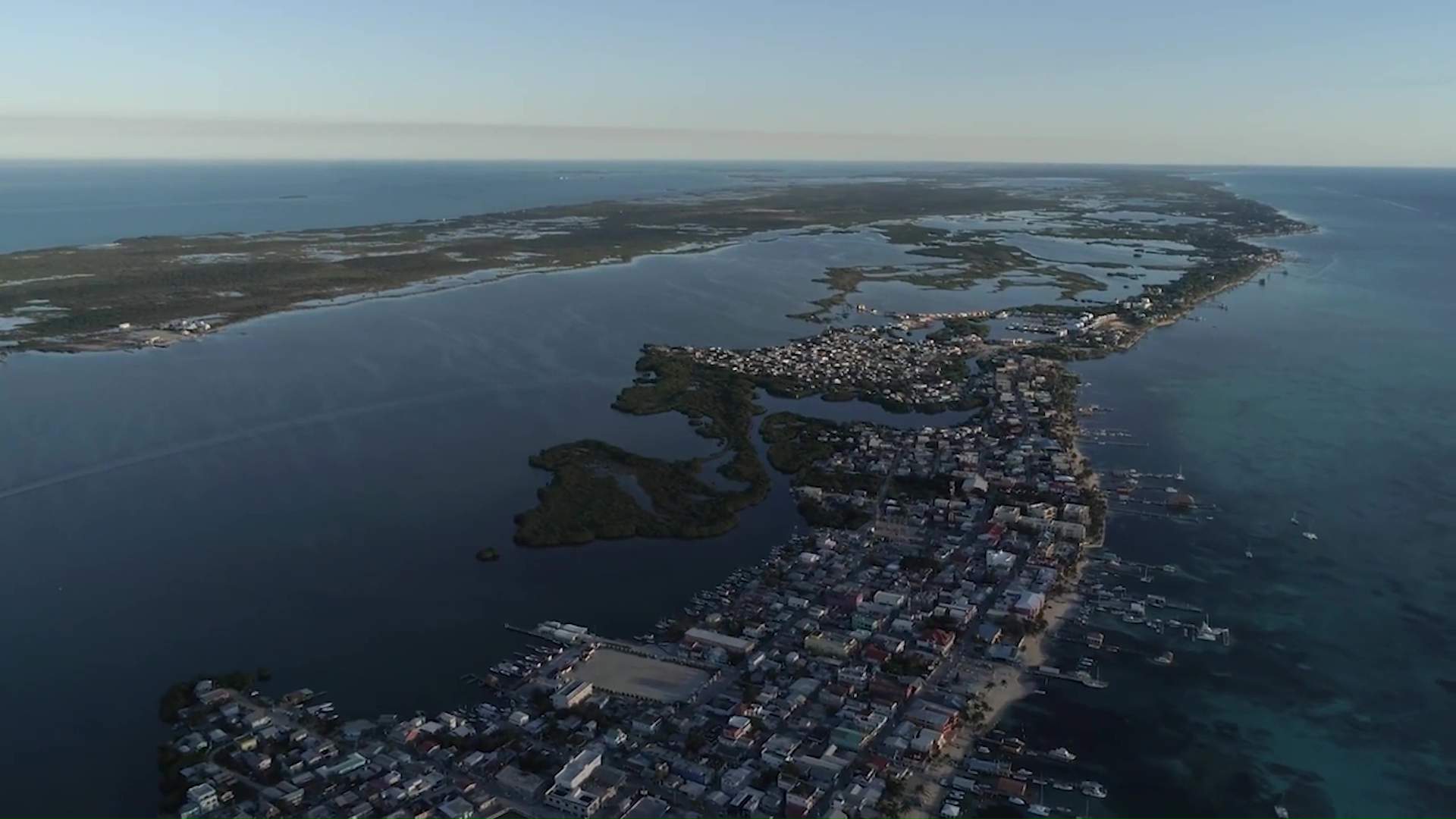
BELIZE CITY, BELIZE – A profound environmental and economic dilemma is unfolding in Belize as the nation’s fishing industry confronts an ambitious marine conservation initiative. The Blue Bond agreement, designed to preserve twenty percent of the country’s vital coral reef ecosystems, has ignited intense debate regarding its socioeconomic repercussions.
This conservation strategy aims to establish protected marine zones to ensure long-term ecological sustainability, safeguarding Belize’s portion of the Mesoamerican Barrier Reef System for future generations. However, coastal communities dependent on marine resources perceive these protective measures as potentially catastrophic to their economic survival.
Eworth Garbutt, President of the Belize Flat Fishery Association, emerged as a vocal critic of the proposal’s current framework. During recent consultations, Garbutt articulated industry concerns regarding the geographical scope of protected areas. He emphasized that the reef system constitutes less than ten percent of Belize’s territorial waters, yet generates the majority of lobster and conch harvests that significantly contribute to national GDP.
“When they claim it’s only two percent protection, it’s two percent from that critical ten percent where our fisheries operate,” Garbutt explained using a visceral analogy. “You have ten fingers and I cut off two – any Belizean can see this isn’t insignificant.”
The fisheries representative further questioned the consultation process, noting that existing marine protections around the Sapodilla Cayes have already substantially reduced fishing grounds. Garbutt characterized the government’s approach as potentially counterproductive, suggesting conservation boundaries might undermine the very industries that drive Belize’s coastal economy.
This confrontation highlights the complex challenge facing developing nations attempting to balance environmental stewardship with economic reality. The outcome will likely establish important precedents for marine conservation initiatives throughout the Caribbean region.