The Agostini Group has issued a comprehensive rebuttal against persistent allegations that it dominates Trinidad and Tobago’s pharmaceutical sector through monopolistic practices. In a statement released on December 5, the century-old conglomerate presented detailed market data to counter claims of controlling medication pricing, distribution, and market access.
According to the Group’s analysis, its pharmaceutical distribution arm Aventa has consistently held less than half the value of government tenders while distributing under 30% of the country’s medicinal products. The company emphasized that Trinidad’s pharmaceutical distribution landscape is both well-regulated and competitive, with over 70 registered distributors supplying medicines nationwide.
Regarding retail operations, Agostini clarified that while Superpharm and Mpharmacy operate under its corporate umbrella, they function separately from Aventa. With 20 outlets collectively, these retailers represent approximately 18% market share—second position in a market comprising more than 500 pharmacies across the nation.
The Group provided historical tender data spanning 2011-2025 to demonstrate market dynamics. During the People’s Partnership administration (2011-2015), Aventa received 40-50% of government tender value while supplying just over 20% of required products. More recently (2023-2025), the company secured 34.3% of tender value while fulfilling 16% of product requirements.
This marks the second time in 2025 that Agostini has addressed monopoly allegations. Previous accusations emerged in January from then-opposition senator Wade Mark, followed by June comments from Health Minister Dr. Rishad Seecharan regarding pharmaceutical pricing under the former administration. The Group also faced scrutiny in September regarding foreign exchange allocations through the EXIMBANK facility.
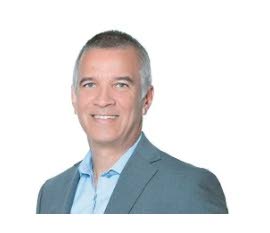
CEO Barry Davis attributed the company’s century-long success to ‘longstanding relationships with global suppliers, consistent and affordable service, and strict compliance with regulatory standards.’ He explained that pharmaceutical pricing reflects international sourcing costs affected by global inflation, manufacturing constraints, and increased demand for branded drugs.
Regarding forex access, Davis clarified that EXIMBANK payments go directly to international suppliers, with no US funds received by Agostini subsidiaries. The Group maintains standard loan facilities with EXIMBANK while providing essential pharmaceutical products and basic food items to Trinidadian communities.