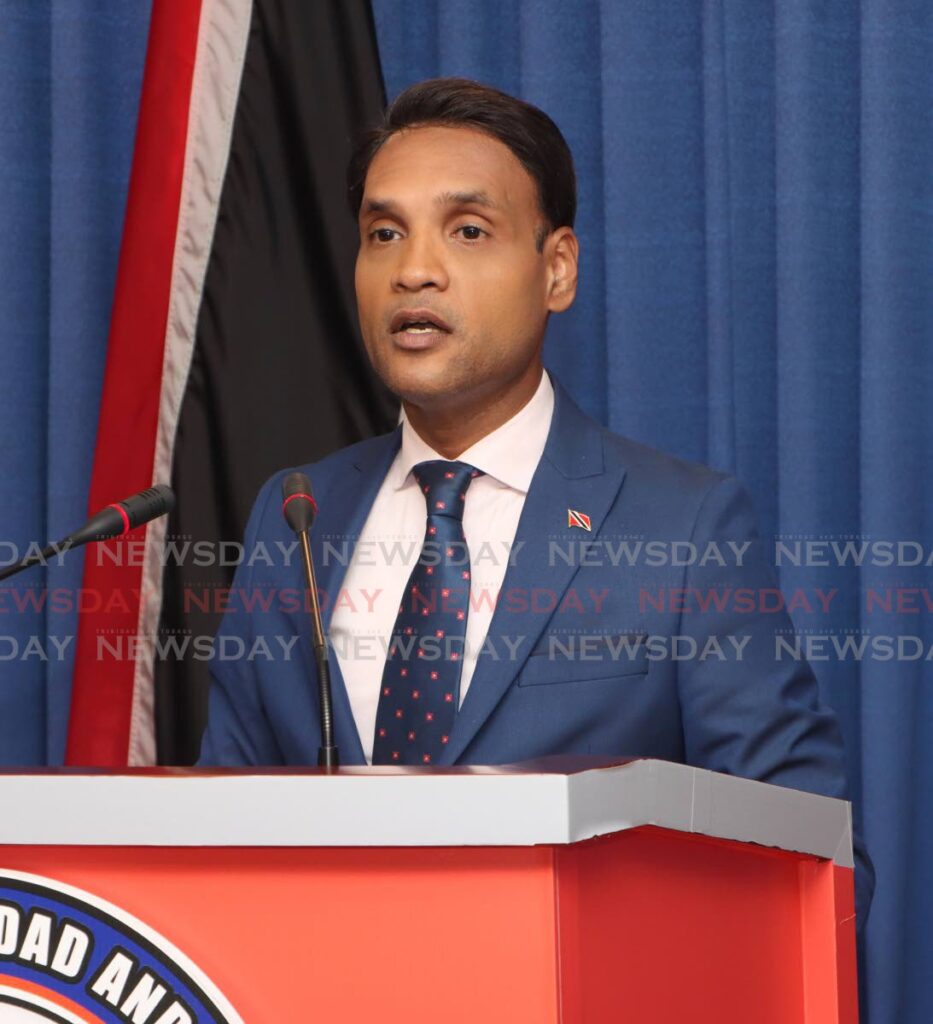
The Trinidad and Tobago Parliament demonstrates unprecedented legislative momentum as both the House of Representatives and Senate convene simultaneously for the second time within a week. This unusual frequency of concurrent sessions at the recently renovated Red House signals the Kamla Persad-Bissessar administration’s determined push to advance its comprehensive governance agenda.
Despite government whip Barry Padarath and opposition whip Marvin Gonzales downplaying the significance of dual chamber meetings, statistical evidence reveals remarkable parliamentary activity. The current administration has conducted 27 legislative sessions across both chambers during its initial seven months—nearly matching the entire output of the first Keith Rowley administration during the same period. This accelerated pace becomes particularly notable considering the August recess that interrupted the government’s early months.
Today’s parliamentary agenda features critical deliberations on the Finance Bill (distinct from the Appropriation Bill) and proposed amendments to the Virtual Assets and Virtual Assets Service Providers Bill. Simultaneously, senators continue examining the controversial Home Invasion (Self-Defence and Defence of Property) Bill, which cleared the House on November 26 with 23 supporting votes against 10 objections.
The self-defence legislation has generated particular scrutiny after the Attorney General’s Ministry removed initial special majority requirements, raising concerns among lawmakers about potential dilution of the bill’s original intent. This development represents another crucial test of the government’s ability to fulfill campaign promises, following June’s successful passage of legislation revoking Stuart Young’s prime ministerial pension and October’s constitutional right to speedy trial declaration.
The administration’s expansive legislative program has already produced significant reforms including abolition of the TTRA, modifications to the Children’s Life Fund, citizenship law revisions, FATF compliance measures, and enhanced powers for Justice of the Peace officials. However, opposition figures like Colm Imbert have expressed concerns about inadequate review periods for proposed legislation.
While parliamentarians may consider dual sessions routine, citizens increasingly expect tangible results from their elected representatives, transforming these proceedings from ordinary parliamentary business into a critical measure of governmental effectiveness and promise-keeping.