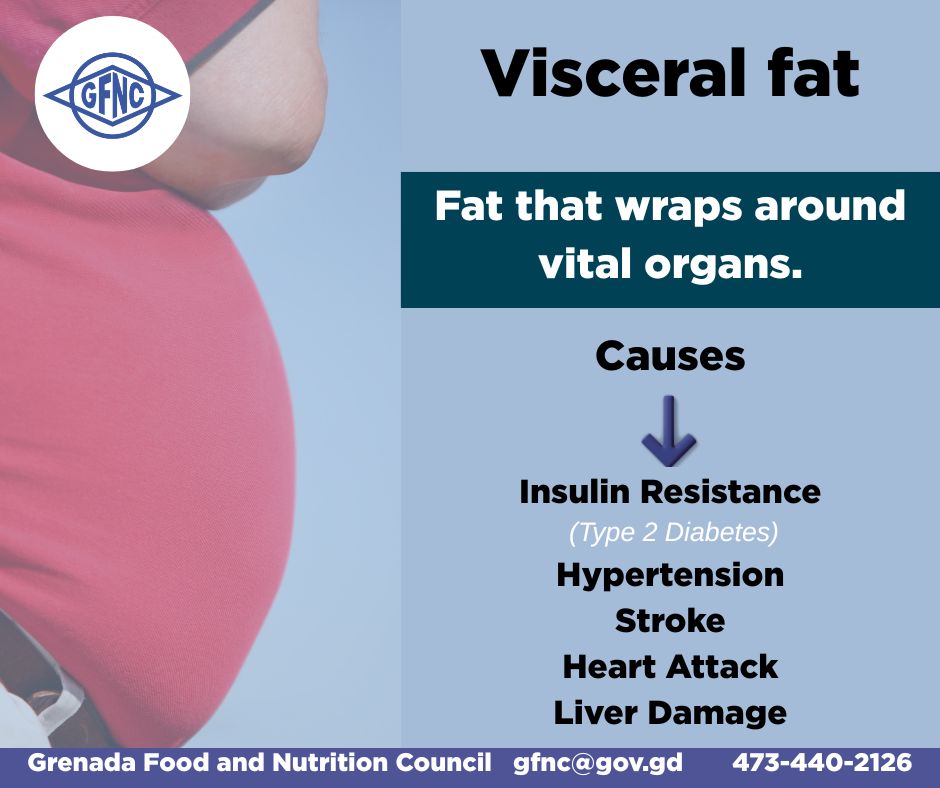
Medical experts from the Grenada Food and Nutrition Council (GFNC) have issued a crucial health alert regarding abdominal obesity, warning that a protruding belly may signal dangerous internal fat accumulation with serious health implications.
This deep-lying visceral fat, which envelops vital organs, represents a significant threat to metabolic health. Unlike subcutaneous fat, visceral fat is biologically active, functioning almost as an endocrine organ that releases harmful substances into the bloodstream. These substances trigger systemic inflammation, elevate triglyceride levels, and disrupt essential bodily processes.
The metabolic consequences are severe and multifaceted. Visceral fat dramatically increases triglyceride production, leading to toxic fat accumulation in muscles and liver. This storage pattern promotes insulin resistance, impairing the body’s ability to regulate blood sugar effectively. Simultaneously, fatty deposits infiltrate blood vessels, forming arterial plaque that stiffens vessel walls and contributes to hypertension through elevated cortisol production.
Additionally, visceral fat stimulates increased fibrinogen production, a substance that thickens blood and promotes clot formation—significantly elevating stroke and heart attack risks. The liver becomes particularly vulnerable, with excess triglycerides potentially progressing to non-alcoholic fatty liver disease, cirrhosis, and severe hepatic dysfunction.
Nutritionist Keishon Williams of GFNC identifies multiple contributing factors including chronic stress, sedentary lifestyles, high consumption of refined carbohydrates, ultra-processed foods, and inadequate fiber intake. These elements collectively create the conditions for metabolic syndrome—a dangerous cluster of conditions that dramatically increase cardiovascular and metabolic disease risks.
The GFNC emphasizes that proactive measures through nutritional counseling and lifestyle modifications can combat this growing health concern. Their recent educational initiative ‘Let’s Chat’ provides comprehensive guidance on addressing visceral fat accumulation and improving metabolic health outcomes.