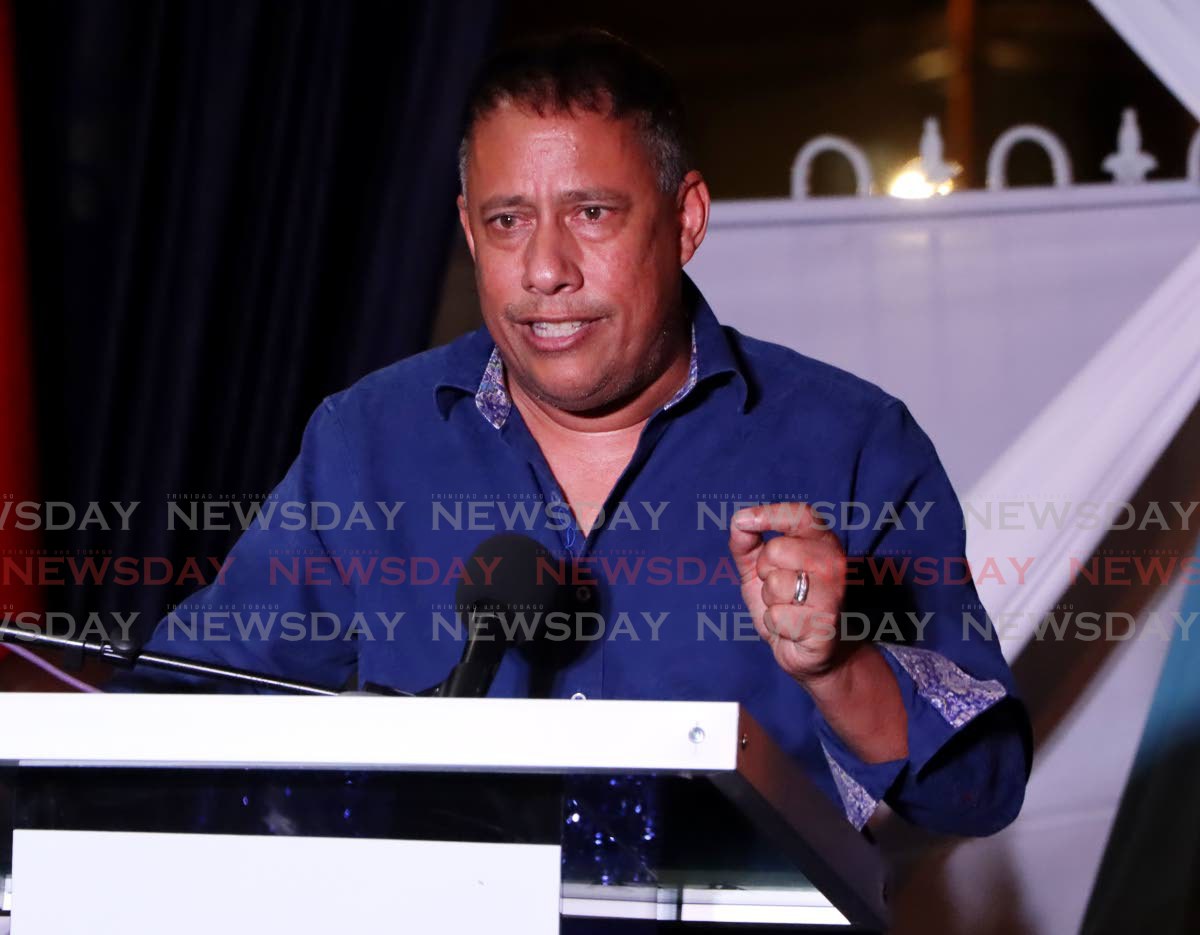
Former National Security Minister Gary Griffith has firmly opposed Tobago Chief Secretary Farley Augustine’s proposal to join Trinidad and Tobago’s National Security Council (NSC), citing constitutional and procedural constraints. The controversy emerged following Augustine’s call for Tobago representation during a Tobago People’s Party rally on December 1st, specifically referencing the recent installation of a US military radar at Arthur NR International Airport.
Griffith, who served as both national security minister and adviser during Prime Minister Kamla Persad-Bissessar’s first administration, explained that Trinidad and Tobago’s parliamentary system strictly follows the British model regarding NSC composition. “The NSC is a cabinet committee,” Griffith emphasized. “To be a member, you must first be a member of cabinet, which requires being both a parliamentarian in the lower house and a government minister simultaneously.”
The former police commissioner detailed that even junior ministers designated as “minister in the ministry of” cannot join cabinet meetings, making them ineligible for NSC participation. He noted that only select cabinet members typically join the security council, with the prime minister serving as permanent chair alongside automatic members like the attorney general and national security minister.
Griffith addressed concerns about the radar installation by suggesting alternative participation methods: “If there’s a specific agenda item pertaining to Tobago’s security, the chief secretary could be invited as a guest for that particular discussion.” He warned that granting Augustine’s request would set a problematic precedent where every minister could demand NSC access based on portfolio-related security concerns.
The political context remains complex, as no formal coalition exists between the ruling UNC and Augustine’s TPP, though two TPP MPs occupy government-aligned seats in parliament without holding ministerial positions.