In a significant development in hemispheric security policy, the United States has intensified its naval operations targeting narcotics-trafficking vessels originating from Venezuela. This strategic shift, while drawing criticism from some United Nations voices, represents a legally defensible response to what experts characterize as state-sanctioned criminal operations threatening regional stability.
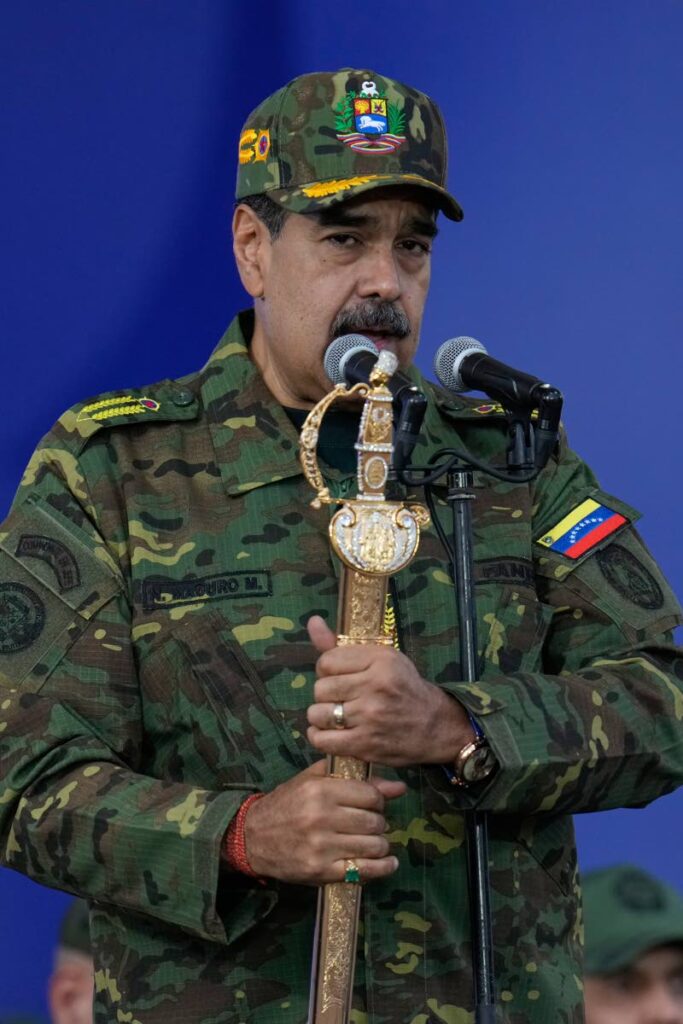
The legal foundation for these maritime interdictions stems from extensive documentation revealing the transformation of Venezuela’s state apparatus under President Nicolás Maduro into a sophisticated narcotics enterprise. US Department of Justice indictments have formally charged Maduro and his inner circle with weaponizing the Venezuelan state apparatus for cocaine trafficking operations. When a government abandons its sovereign responsibility to combat illegal drugs and instead becomes the primary perpetrator, it forfeits the right to shield its activities behind sovereignty claims.
For Trinidad and Tobago and other Caribbean nations positioned along critical trafficking corridors, this policy has direct implications for national security. The enhanced US naval presence, including the advanced capabilities of the USS Gerald R. Ford strike group, functions as a crucial force multiplier for regional law enforcement agencies. By disrupting supply chains at their source, these operations alleviate pressure on local Coast Guard units and police forces, directly contributing to community safety.
The characterization of these measures as ‘extrajudicial killings’ fails to acknowledge the nature of the targets—dedicated maritime vessels operating as extensions of criminal enterprises rather than civilian crafts engaged in innocent passage. The inherent right of self-defense under Article 51 of the UN Charter extends to confronting persistent armed threats, including the relentless flow of cocaine that fuels widespread violence and public health crises across the hemisphere.
This comprehensive campaign serves dual lawful purposes: protecting citizens while undermining the illicit financial networks sustaining an illegitimate regime. By directly targeting trafficking revenues that enrich Venezuelan military and security forces, the US applies legitimate pressure to create conditions conducive to democratic restoration. While diplomatic solutions remain preferable, the human cost of inaction—measured in lost lives and destabilized communities—makes this targeted approach both morally necessary and legally justified in addressing a clear and present danger to regional security.