Recent confirmation of King Willem-Alexander’s long-anticipated state visit to Suriname has unveiled fascinating historical dimensions of the Dutch royal family’s relationship with the former colony. During the official opening of the Suriname Museum in Amsterdam, the monarch expressed his profound enthusiasm for the upcoming visit with Queen Máxima, noting he had “very much wanted to do this much earlier.
The King’s remarks during his annual press conference in June revealed more than diplomatic protocol. When questioned about potential travel plans coinciding with Suriname’s 50th anniversary of independence (Srefidensi), he initially provided a formal response about requiring official invitations. However, he subsequently disclosed his deep curiosity about the nation and his hope to experience it similarly to how his mother had.
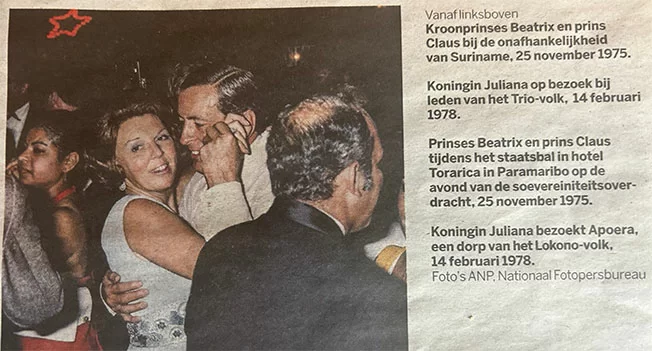
This seemingly casual comment prompted historical investigation into Princess Beatrix’s numerous visits to Suriname during her pre-reign years. Archival research reveals multiple informal trips beyond official duties, facilitated by the warm relationship between the Orange and Ferrier families. While most remember the celebratory images of Beatrix cheering and dancing during the sovereignty transfer ceremonies, earlier visits tell a more personal story.
Notably, Beatrix and Prince Claus visited Suriname during their 1966 honeymoon, traveling by traditional korjal boats along the Marowijne River, enjoying local fruits like Groningen markoesa, and demonstrating genuine relaxation far from royal formalities. Historical records confirm a second, less documented July 1966 visit, where the royal couple appeared thoroughly immersed in local culture—dancing, smiling, and completely at ease.
The King’s reference to his mother describing Suriname as “the most beautiful country she had ever visited” gains deeper context through these historical connections. These personal experiences beyond diplomatic engagements reveal a genuine affection that transcends political relationships, suggesting the upcoming state visit carries emotional significance beyond mere protocol.