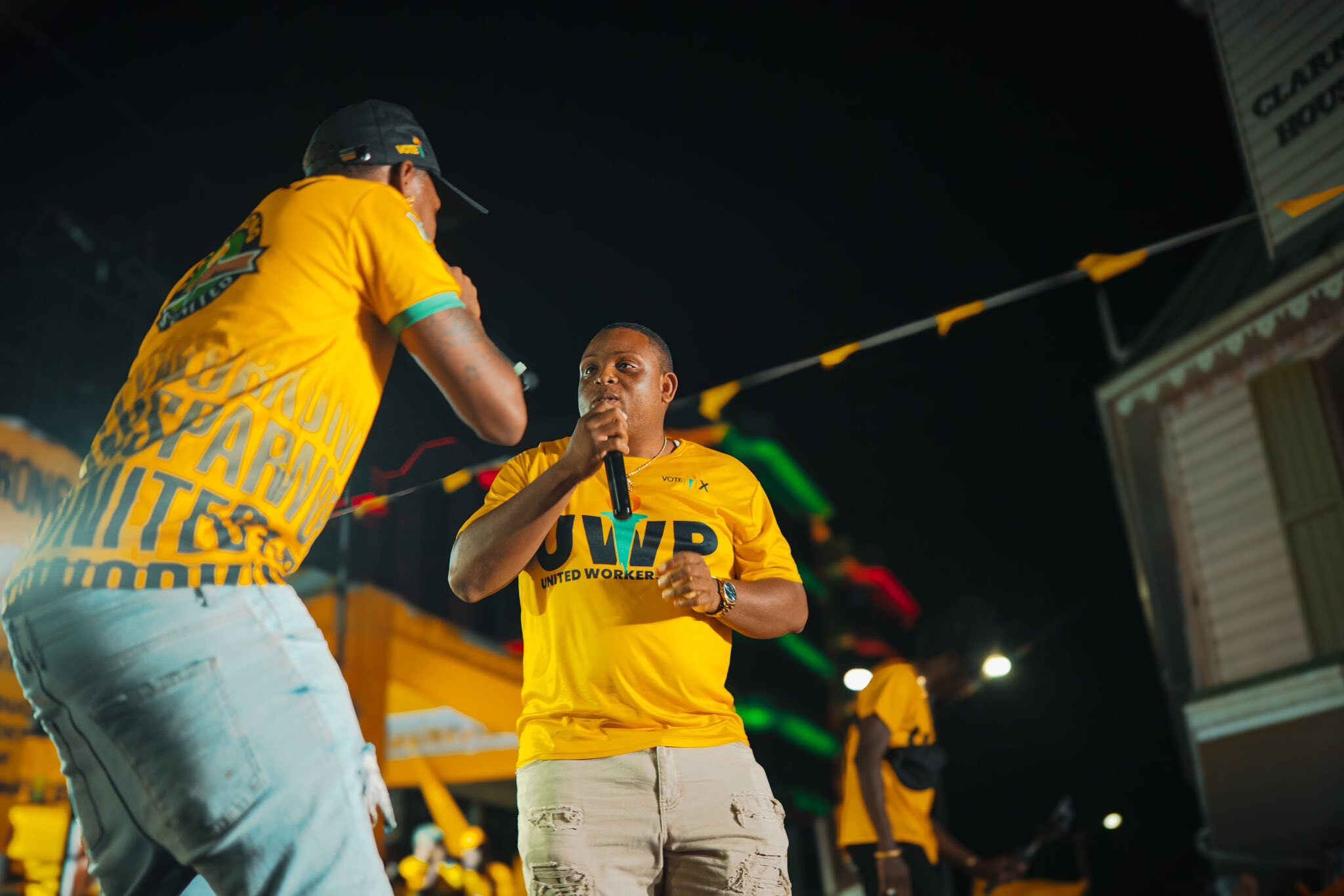
Saint Lucia’s political arena has undergone a profound sonic transformation since Prime Minister Philip J. Pierre initiated the election cycle on November 9. The traditional campaign elements—rallies, posters, and slogans—now share the stage with an unexpected powerhouse: the infectious beats of Dennery Segment music that have become the soundtrack of this election season.
This distinctive Saint Lucian musical genre, characterized by its percussive intensity and catchy hooks, has revolutionized political mobilization strategies. Campaign events have evolved into carnival-like festivities where Dennery Segment artists perform customized tracks supporting various parties and candidates. The phenomenon has particularly resonated with younger demographics, creating an unprecedented fusion of political messaging and musical entertainment.
The current musical landscape contrasts sharply with historical approaches. During the 1970s political awakening, conscious reggae from icons like Bob Marley and Peter Tosh underpinned the Saint Lucia Labour Party’s messaging. Later eras incorporated calypso’s social commentary and even international pop hits, such as the UWP’s strategic use of Bryan Adams’ “Everything I Do, I Do It for You” in 1992.
Sociologist and former Labour Party MP Damian Greaves observes: “Politics, to some extent, is a vibe and it has to be the vibe of the times. What we’re witnessing represents a shift from the anti-colonial intellectualism of previous generations to a new ethos shaped by social media dynamics.”
The digital dimension has proven crucial to Dennery Segment’s political ascendancy. Tracks like Ricky T’s “Ring the Bell” and General Bakes’ “Flambeau Off” have generated viral memes and TikTok trends, amplifying their reach beyond physical rallies. Music industry expert Ian Sanchez notes: “The creativity of these artists makes their songs easily adaptable to suit any party or candidate, while their social media mastery ensures maximum visibility.”
However, concerns emerge regarding substantive political discourse potentially being drowned out by rhythmic entertainment. Some observers question whether the musical spectacle might overshadow critical policy discussions, reducing complex electoral decisions to emotional responses to musical performances.
Adding to the conversation, creative promoter Sant Justin highlights economic implications: “Campaign season now rivals traditional peak periods for creative professionals. But we must address the troubling practice of importing foreign talent when our local artists possess superior cultural understanding and creative capability.”
This musical politicization represents more than temporary campaign strategy—it signifies a fundamental evolution in how democratic engagement manifests in the digital age, where cultural expression and political messaging increasingly intertwine.
(Note: All photographic credits remain with original sources as indicated in source material)