A significant national security discussion has emerged following the installation of advanced radar systems at Tobago’s ANR Robinson International Airport. Tobago East MP David Thomas has characterized the implementation as “necessary” security infrastructure, while opposition voices express deepening concerns about transparency and regional geopolitical implications.
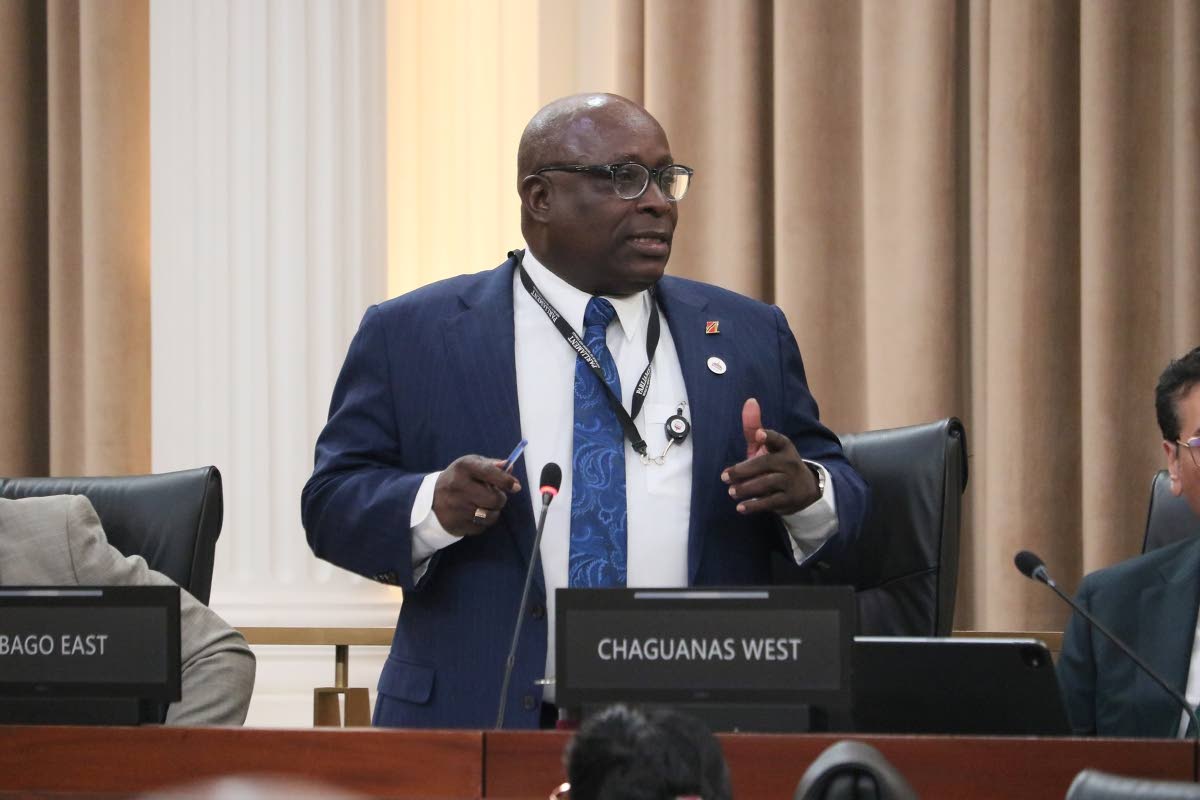
MP Thomas, drawing upon his four decades of fire service experience, emphasized that the radar constitutes standard protocol for international airport security upgrades. “Airports represent critically sensitive zones requiring sophisticated protection measures,” Thomas stated during a November 28 parliamentary briefing. He acknowledged public apprehension but attributed this to unfamiliarity with specialized security procedures rather than any unusual circumstances.
The parliamentarian addressed specific concerns regarding Tobago House of Assembly Chief Secretary Farley Augustine’s reported lack of prior knowledge about the installation. Thomas suggested information dissemination occurs through appropriate channels and timing, assuring that necessary details would reach relevant parties when operational requirements permit.
Regarding potential implications for regional tensions between the United States and Venezuela, Thomas provided unequivocal rejection: “Of course not.” He clarified that the technology primarily serves narcotics trafficking interdiction efforts, as previously confirmed by Prime Ministerial statements. Thomas emphasized that certain national security particulars must remain classified to maintain operational effectiveness.
Conversely, Opposition MP Stuart Young articulated “serious concerns” regarding the government’s transparency and geopolitical balancing act. Young referenced previous successful navigation of complex international relationships during the Trump administration, questioning why current leadership appears less forthcoming about military-grade equipment deployment.
Young highlighted the particular sensitivity of Venezuela’s proximity as Trinidad and Tobago’s closest neighbor, noting the visible Venezuelan coastline from local ports. He expressed apprehension about energy infrastructure vulnerability, specifically mentioning oil platforms situated approximately 60 miles offshore.
The opposition parliamentarian called for immediate transparency from Prime Minister Rowley and Defense Minister Wayne Sturge regarding the radar’s strategic purpose and operational parameters. Young emphasized that while the United States remains a crucial ally and trading partner, the government must maintain careful diplomatic equilibrium with neighboring nations.
Both political representatives agree on the critical importance of national security while diverging significantly on implementation transparency and communication protocols. The development underscores the complex intersection of airport security modernization, regional geopolitics, and public accountability in Caribbean international relations.