The Commonwealth of Dominica has enacted significant fiscal legislation through parliamentary approval, introducing a dual-measure approach to transportation policy. The Excise Tax Amendment for 2025 establishes a tiered taxation system for imported vehicles based on manufacturing age, while simultaneously reintroducing the Highway Maintenance Levy to fund infrastructure projects.
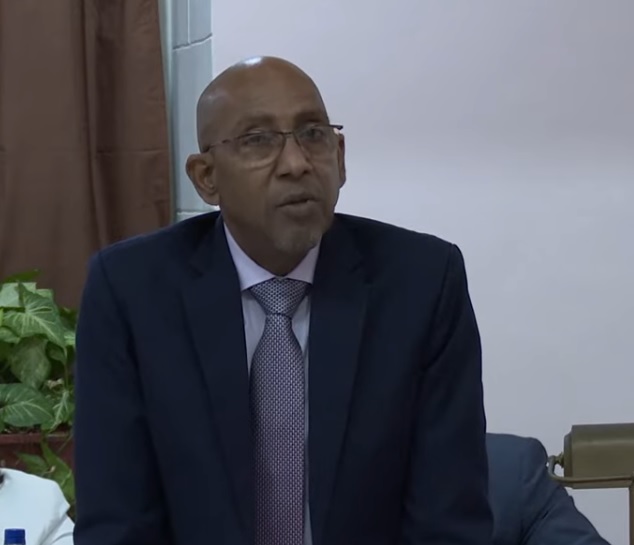
Finance Minister Dr. Irving McIntyre presented the comprehensive policy framework during the 2025-2026 National Budget address. The revised excise structure maintains a minimal 1 percent charge on vehicles under five years old, while implementing progressive increases: $3,000 for vehicles aged 5-10 years, $4,000 for 10-15 years, and $10,000 for vehicles exceeding 15 years. Concurrently, the general excise tax rate for vehicles under ten years will decrease from 28 percent to 25 percent.
Dr. McIntyre emphasized the environmental and economic rationale behind these measures. “This initiative encourages population transition toward newer, more efficient vehicles with reduced carbon emissions and lower maintenance costs,” he stated during parliamentary proceedings. The minister highlighted multiple benefits including improved road safety, reduced environmental impact, and support for local vehicle commerce.
Separately, the government legislated the reinstatement of the Highway Maintenance Levy effective October 1, 2025. Private vehicles will incur a $100 annual charge, with motorcycles assessed at $50. Commercial vehicles face scaled rates based on weight classifications, ranging from $150 for vehicles under 6,721 pounds to $500 for those exceeding 33,600 pounds.
The levy, originally implemented in 2015-2016 and generating $10.4 million before its 2022 suspension, previously funded critical infrastructure including the Charles Avenue rehabilitation project. Dr. McIntyre noted the initial repeal responded to fuel price surges during the Russia-Ukraine conflict, but current normalized fuel prices and substantial road infrastructure investments necessitate the levy’s restoration.
Vehicle owners are encouraged to consider these contributions as investments in national development and infrastructure sustainability.