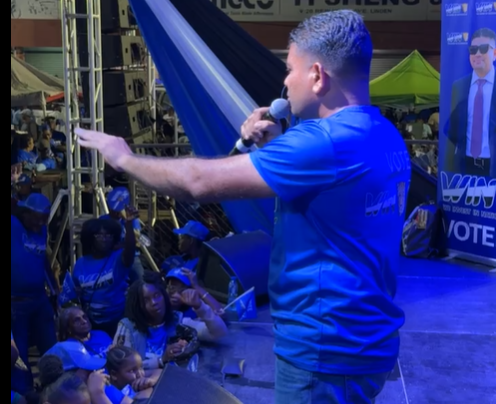
A constitutional impasse over the leadership of Guyana’s Region 10 (Upper Demerara-Upper Berbice) has escalated into a potential legal confrontation, with the We Invest in Nationhood (WIN) party contemplating litigation against Regional Executive Officer Dwight John. The political stalemate stems from John’s failure to convene additional council meetings following September’s general and regional elections, which resulted in an unprecedented 9-9 tie between WIN and A Partnership for National Unity (APNU) for the regional chairmanship.
WIN Leader Azruddin Mohamed revealed his party is consulting legal counsel before proceeding with potential judicial intervention. “I have to consult with my attorney because to be honest, I don’t know if we take legal action now even that will delay the process further,” Mohamed stated in an interview with Demerara Waves Online News. He expressed frustration with the administration’s handling of the situation, alleging deliberate delays by the governing People’s Progressive Party (PPP).
The deadlock has created unprecedented consequences for regional governance. President Irfaan Ali notably excluded Region 10’s leadership from Thursday’s swearing-in ceremony for all other regional chairs and vice-chairs. The President maintained constitutional compliance, stating: “I am sure that within the ambit of the Constitution and within the ambit of the rules of any elections that the chair and vice chair of Region 10 will be sworn in at the appropriate time when they conclude their elections.
Complicating matters further, the impasse has created jurisdictional complications within local government structures. Linden Town Clerk Lennox Gasper confirmed that the situation involves APNU’s Dominique Blair, who refuses to resign as Deputy Mayor while potentially assuming the regional chairmanship. Gasper has sought legal guidance from Attorney General Anil Nandlall regarding whether Blair can simultaneously hold both positions, as no existing legislation explicitly prohibits such dual roles.
The ongoing constitutional crisis highlights growing tensions in Guyana’s decentralized governance system and raises questions about procedural mechanisms for resolving electoral deadlocks at the regional level.