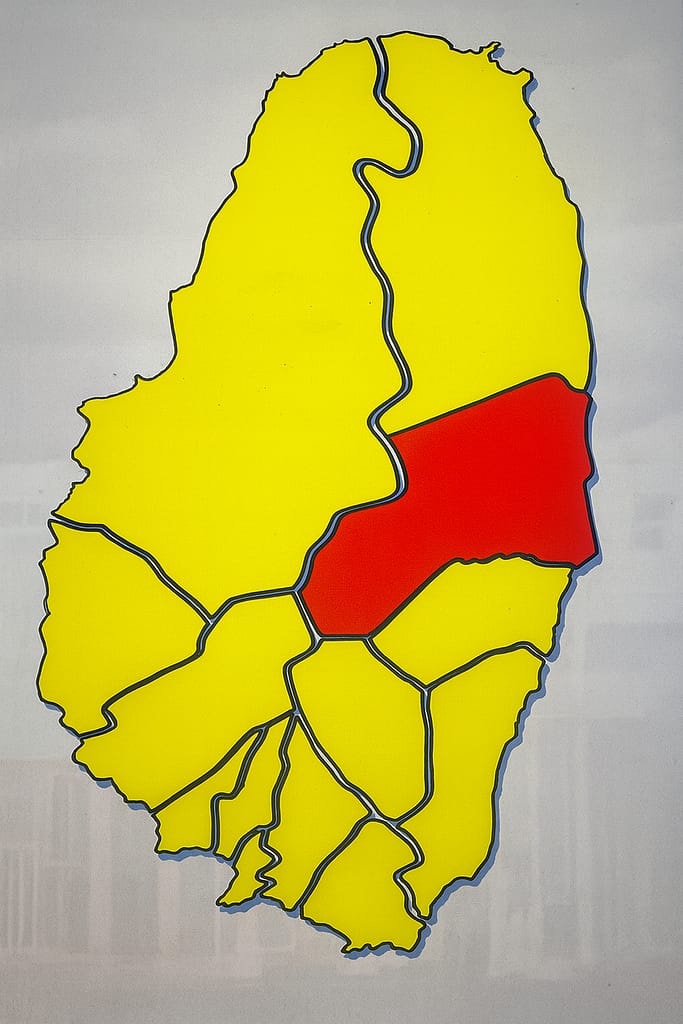
In a seismic political realignment, St. Vincent and the Grenadines has witnessed a dramatic transfer of power as the opposition New Democratic Party (NDP) achieved an overwhelming electoral triumph. Preliminary results from Thursday’s general election reveal the NDP secured 14 of the 15 parliamentary seats, effectively ending the Unity Labour Party’s 24-year governance era.
Prime Minister Ralph Gonsalves, among the world’s longest-serving democratically elected leaders who has governed since 2001, suffered a devastating defeat with his ULP retaining just a single seat. This electoral outcome represents the most significant political transformation in the nation’s recent history and conclusively terminates Gonsalves’ pursuit of an unprecedented sixth consecutive term.
The international community has begun responding to this democratic transition. Jamaican Prime Minister Andrew Holness formally congratulated the nation through social media platform X, commending St. Vincent and the Grenadines for conducting a ‘peaceful and democratic process.’
Diplomatic attention has particularly focused on the election’s implications for Taiwan-China relations, as St. Vincent remains one of Taipei’s few enduring diplomatic partners. Taiwan’s ambassador extended congratulations to the victorious NDP, despite the party’s previous indications about potentially reevaluating foreign allegiances. The NDP’s campaign manifesto, while suggesting consideration of strengthened relations with China, stopped short of advocating complete termination of ties with Taiwan.
This 14-1 electoral outcome marks the ULP’s poorest performance since initially assuming power more than two decades ago, signaling a profound shift in the Vincentian electorate’s political preferences and potentially heralding a new chapter in the nation’s international relationships.