BELIZE CITY – A groundbreaking water quality investigation by the Statistical Institute of Belize (SIB) has revealed that detected E. coli bacteria in household drinking water originates primarily from domestic hygiene practices rather than utility providers. The findings, released on November 27, 2025, emerged from the comprehensive MICS7 survey methodology that examined water safety at both source and consumption points.
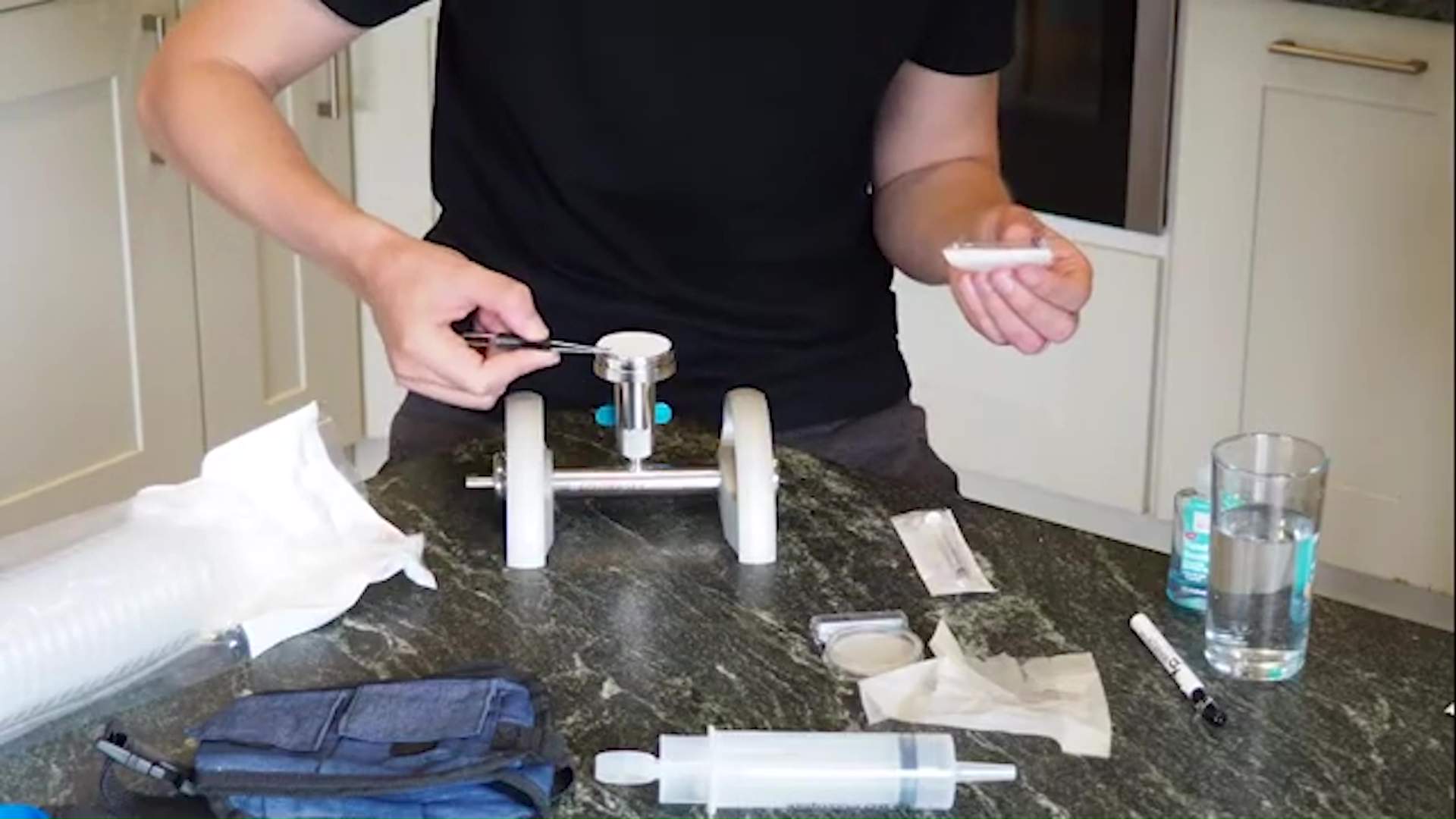
SIB Statistician Wendy Benavides detailed the rigorous dual-sample collection process: ‘We obtain two distinct water samples – one directly from the respondent’s drinking vessel and another from their declared water source, whether rainwater tanks, wells, or municipal supplies. Each sample is carefully transferred into sanitized collection bags to prevent external contamination.’
The research demonstrates that contamination frequently occurs at the point of consumption through handling practices. Benavides emphasized that the study specifically measured ‘the handling and consumption point of water intake,’ not the purification standards of water providers.
In response to these findings, Deputy of Public Health & Wellness Laura Friesen outlined critical intervention strategies: ‘Proper hand hygiene before eating, food preparation, and after bathroom use is paramount. Bacterial transmission occurs through contact with everyday objects – doorknobs, electronic devices, currency, and debit cards all carry significant bacterial loads.’
Friesen further elaborated on comprehensive household safety protocols: ‘Effective food management practices are equally crucial – including separation of raw and cooked foods, appropriate food storage, and systematic cleaning of food preparation surfaces. These measures collectively prevent the circulation of pathogens like E. coli within domestic environments.’
The Ministry of Health and Wellness is developing public education initiatives to address these behavioral factors in water safety, shifting focus from infrastructure to personal hygiene practices as the primary defense against waterborne illnesses.