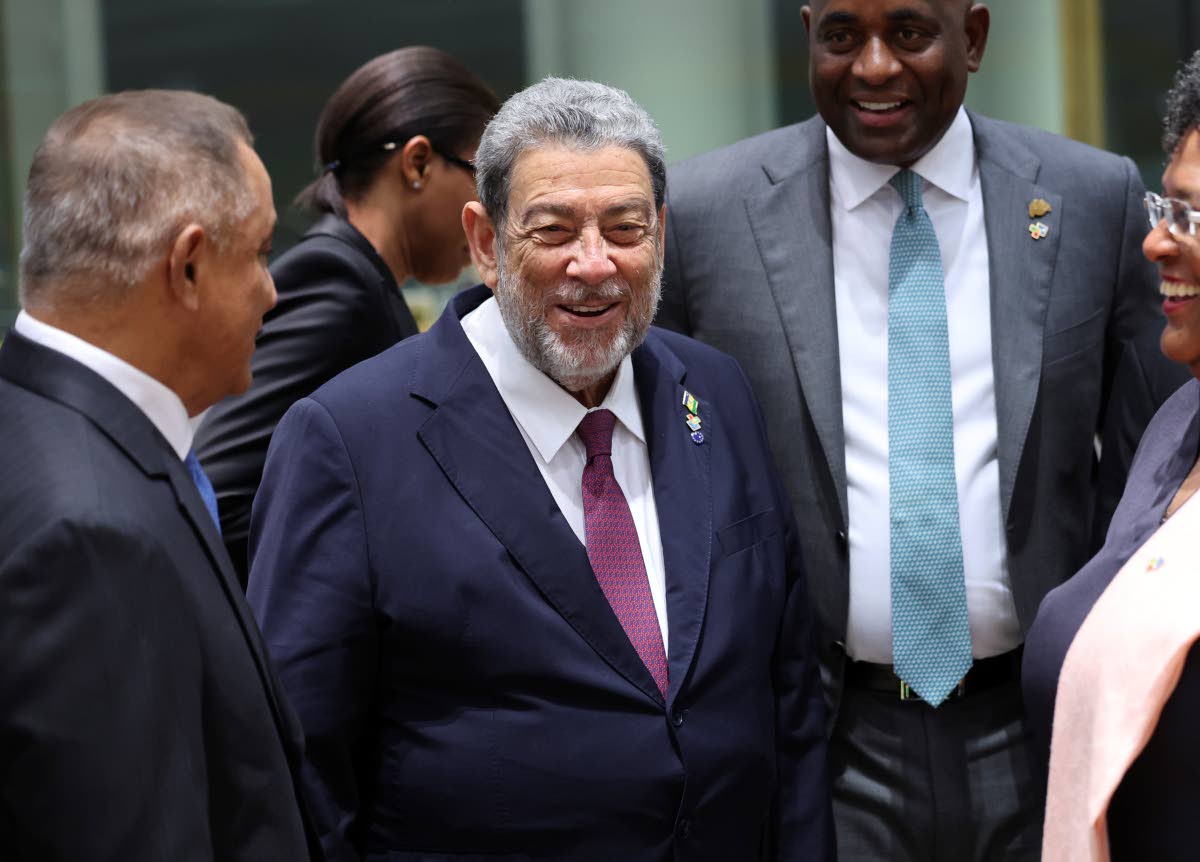
The Caribbean political landscape has undergone a seismic shift with the decisive electoral outcome in St Vincent and the Grenadines. On November 27, voters delivered a stunning rebuke to incumbent Prime Minister Ralph Gonsalves and his United Labour Party (ULP), ending their 23-year governance with a resounding 14-1 parliamentary victory for opposition leader Godwin Friday’s New Democratic Party (NDP).
This electoral result marks the most conclusive victory in the nation’s history since 1989, when the NDP previously secured all parliamentary seats under James Mitchell’s leadership. For Dr. Friday, aged 66, this triumph represents the culmination of a methodical political ascent. Conversely, for the 79-year-old Dr. Gonsalves, the defeat signals the conclusion of an extraordinary political era that began in 2001.
While regional leaders including Trinidad and Tobago’s Prime Minister Kamla Persad-Bissessar celebrated the outcome as a “resounding democratic mandate,” constituency-level results reveal a nation characterized by deep political divisions. Despite his party’s overwhelming defeat, Dr. Gonsalves retained his own seat with 2,577 votes against 996 for his opponent. The ULP secured 27,148 total votes compared to the NDP’s 37,002, with overall voter participation declining to 62% from 67% in the previous election.
The incoming administration campaigned on ambitious promises including economic revitalization, job creation with improved wages, addressing escalating crime rates, and enhancing national infrastructure. Potentially most significant internationally is the NDP’s historical commitment to sever diplomatic relations with Taiwan in favor of establishing ties with China—a geopolitical maneuver that would reduce Taiwan’s diplomatic partners to merely 12 nations worldwide.
Dr. Gonsalves leaves behind substantial shoes to fill within CARICOM frameworks, where he served as a prominent advocate for climate justice, slavery reparations, and regional mediation efforts—most notably contributing to the Argyle Decree. His departure, combined with potential foreign policy recalibrations in Trinidad and Tobago, Guyana, and now St Vincent, may signal broader geopolitical realignments within the Caribbean bloc, all while the United States under the Trump administration maintains its assertive stance toward Cuba and Venezuela.
The veteran leader’s legacy includes steering the nation through multiple crises including the global financial downturn, COVID-19 pandemic, La Soufrière volcanic eruption, and Hurricane Beryl. He also presided over the development of the country’s inaugural international airport. However, his implementation of vaccine mandates eroded support among certain constituencies, and many voters ultimately believed his time in leadership had naturally concluded. Dr. Gonsalves’ anticipated role as opposition leader now presents an intriguing dynamic for the nation’s political future.