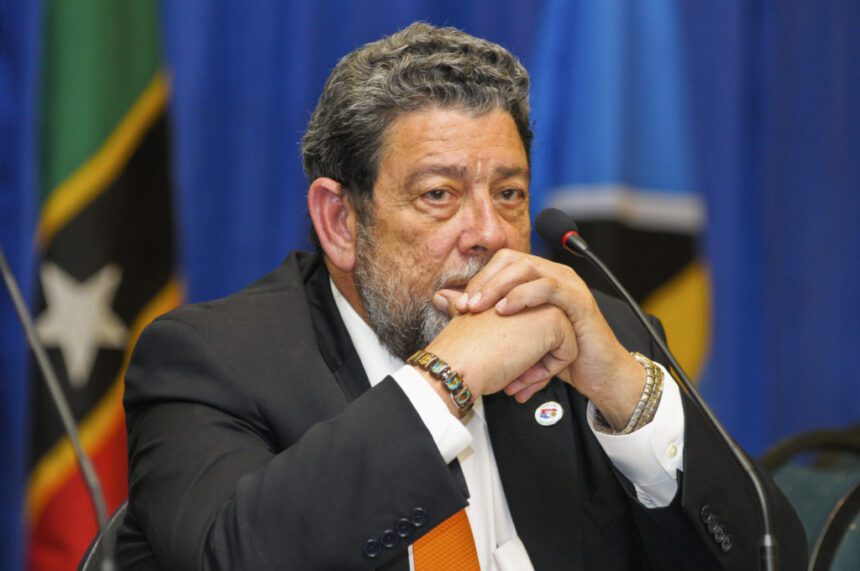
Citizens of St. Vincent and the Grenadines are participating in a landmark general election that may either prolong Prime Minister Ralph Gonsalves’ 24-year governance or usher in a new political era. With over 103,000 eligible voters registered across 250 polling stations, this electoral battle represents a critical juncture for the Caribbean nation.
Polling commenced at 7:00 a.m. local time, witnessing substantial voter engagement with reports of lengthy queues in both urban centers like Kingstown and rural voting districts. Electoral authorities, led by Supervisor of Elections Dora James, have emphasized that while proxy voting remains prohibited, appropriate accommodations are available for voters with disabilities.
The electoral landscape appears exceptionally competitive, with conflicting pre-election surveys creating uncertainty about the final outcome. One analysis by DP Dunn Pierre Barnett & Company indicates a slight advantage for Gonsalves’ Unity Labour Party (ULP), projecting a 64% probability of victory with an estimated eight parliamentary seats. Conversely, research from WIC News suggests the opposition New Democratic Party (NDP) has gained significant momentum, showing 49% popular support compared to the ULP’s 44%.
Prime Minister Gonsalves, at 79 years old, seeks an unprecedented sixth consecutive term that would solidify his status as the Caribbean Community’s longest-serving leader. His administration faces challenges from Dr. Godwin Friday’s NDP, which has centered its campaign on addressing economic pressures, governance concerns, and advocating for leadership transition.
Beyond the two dominant parties, smaller political movements including the National Liberation Movement and independent candidates are contesting all fifteen constituencies. Electoral analysts highlight that youth participation and newly registered voters could prove decisive in closely contested districts.
The final results will determine whether St. Vincent and the Grenadines continues under the leadership that has guided the nation since 2001 or embraces political change. The outcome carries significant implications for both domestic policy and regional political dynamics within the Caribbean community.