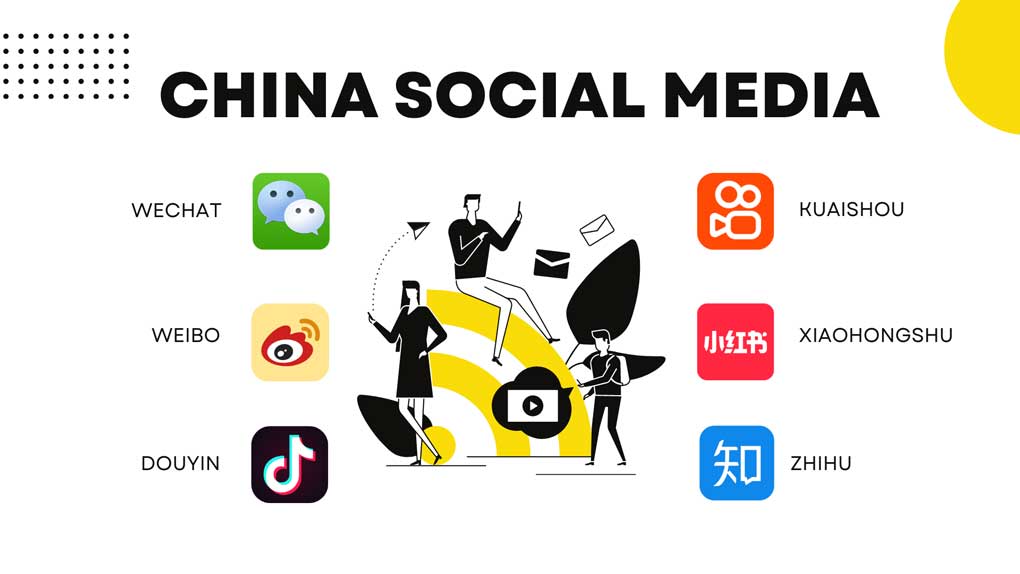
In a recent statement, Trinidad and Tobago’s Minister of Homeland Security, Roger Alexander, suggested that the country should consider adopting China’s social media policies. This proposal highlights two critical points: first, the recognition of the growing dangers in the online space, and second, a fundamental misunderstanding of China’s digital governance system. As someone based in Asia, it is clear that China’s model is unique and cannot be replicated by Western nations, Caribbean countries, or Trinidad and Tobago. To understand why, it is essential to examine the pillars of China’s digital architecture and the cultural and political context that makes it effective. China’s digital system is not merely a set of policies but a comprehensive framework built over two decades. It includes the Great Firewall, which blocks foreign platforms and monitors traffic; mandatory real-name digital identity, ensuring anonymity is nonexistent; domestic platforms like WeChat and Alipay, which are fully regulated by the state; data localization, keeping all citizen data within China; and a robust enforcement system overseen by the Cyberspace Administration of China. This model thrives in China due to its collectivist society, high trust in the central government, one-party political structure, and a population large enough to sustain its own tech ecosystem. However, Trinidad and Tobago lacks the resources, technical capacity, political structure, and cultural acceptance to implement such a system. The country faces significant challenges in its online space, including toxic behavior, misinformation, and threats to public safety. Instead of looking to China, Trinidad and Tobago should consider Singapore’s balanced approach, which includes the Protection from Online Falsehoods and Manipulation Act (POFMA). This legislation allows for correction notices to be added to false posts without censorship, protecting free speech while limiting harm. Moving forward, Trinidad and Tobago needs updated cybercrime laws, a clear distinction between protected speech and criminal threats, and improved digital literacy. Adopting a model aligned with its culture, constitution, and realities, such as Singapore’s, is the practical solution.
Why China’s social media policy will never work in Trinidad and Tobago