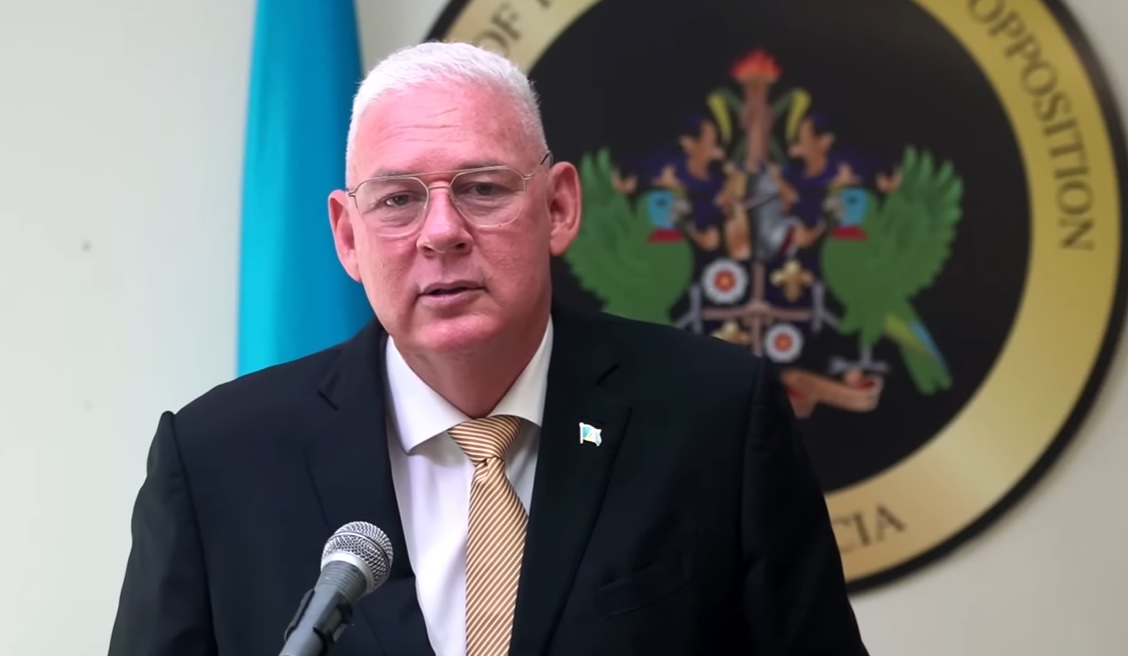
In Saint Lucia, a young entrepreneur’s journey from braiding hair at 15 to owning her own salon exemplifies the transformative power of small-scale grants. With a $5,000 grant from the Youth Economy Agency (YEA), she invested in essential equipment like a hydraulic chair and salon sink, expanding her services and renting out stations for additional income. Her story highlights the YEA’s mission to empower young entrepreneurs through financial support, training, and mentorship. Since its inception, the YEA has disbursed over 1,505 grants, trained 880 individuals, and injected an estimated $9.6 million into the economy. However, with a general election approaching, the United Workers Party (UWP) has pledged to increase start-up grants to $25,000, sparking a debate on the viability and impact of larger funding. UWP leader Allen Chastanet argues that smaller grants, like the YEA’s $3,000 to $5,000 offerings, are insufficient for meaningful business growth. He cites the party’s proposed “Youth SOS Plan” as a more impactful solution for youth-led ventures in agriculture, digital economy, hospitality, and creative sectors. Youth advocates, however, emphasize that the effectiveness of grants depends on alignment with the needs of the target demographic. Franz George, a youth development advocate and business consultant, notes that smaller grants can suffice for micro-enterprises with limited scaling ambitions, while larger grants may be necessary for ventures requiring significant capital. He stresses the importance of monitoring and evaluation to assess the long-term sustainability of grant programmes. As the YEA continues to support young entrepreneurs with its holistic approach, the upcoming election raises questions about the future of youth economic empowerment in Saint Lucia. Will larger grants drive greater impact, or is the key to success a tailored, needs-based approach? The answer may shape the island’s entrepreneurial landscape for years to come.