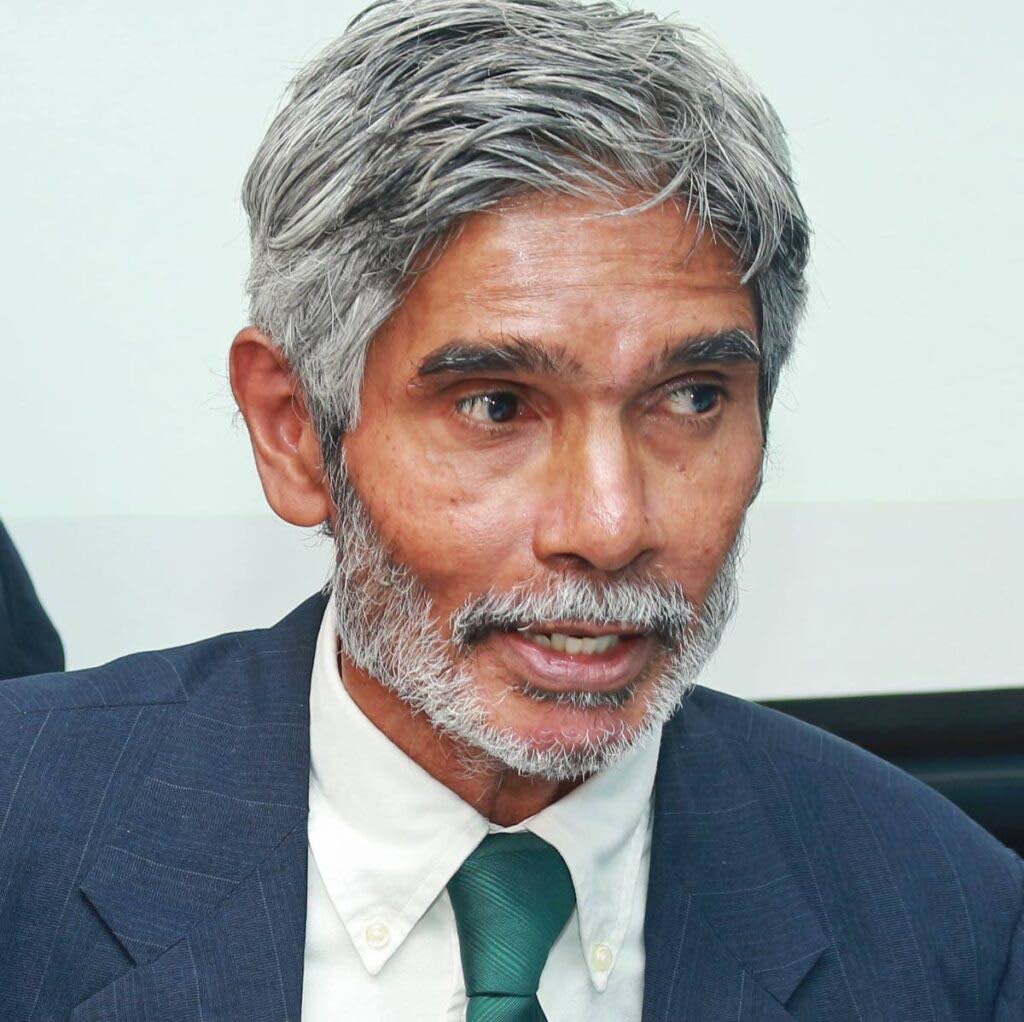
In a recent interview, philosopher and mathematician Darryl Naranjit provided a critical analysis of the US military build-up near Venezuela and its implications for global geopolitics. Drawing parallels to Winston Churchill’s decisive stance during World War II, Naranjit emphasized the resilience of Venezuelan President Nicolás Maduro in the face of prolonged US pressure. He dismissed Trinidad and Tobago Prime Minister Kamla Persad-Bissessar’s optimistic view that Maduro would capitulate under US aggression, labeling it as delusional. Naranjit argued that Maduro’s unwavering commitment to Venezuela’s sovereignty over its oil resources makes any such capitulation unlikely.
Naranjit further contextualized the US-Venezuela conflict within the broader struggle between a unipolar world dominated by the US and an emerging multipolar world order represented by BRICS nations (Brazil, Russia, India, China, and South Africa). He highlighted the historical significance of the Caribbean, where the Western world order began with Columbus’s arrival over 500 years ago. Naranjit suggested that the current aggression against Venezuela could mark the birth of a new world order, challenging American hegemony.
He pointed out that Venezuela is not alone in this struggle, receiving substantial support from Russia and China, both of which have provided arms, technicians, and financial aid. This support underscores the conflict’s complexity, transforming it from a bilateral dispute into a global confrontation between unipolar and multipolar forces. Naranjit urged observers to recognize this larger context, emphasizing that the stakes extend far beyond Venezuela’s borders.