标签: Trinidad and Tobago

特立尼达和多巴哥

  • Karate journey kick-starts after 50-year break for 72-year-old Chaguanas man

    Karate journey kick-starts after 50-year break for 72-year-old Chaguanas man

    In an extraordinary demonstration of lifelong dedication and resilience, 72-year-old Clifford Mendez from Chaguanas has triumphantly returned to martial arts after a five-decade hiatus, recently achieving his brown belt in karate with aspirations toward black belt mastery.

    The Shotokan Karate do International Federation (SKIF TT) formally presented Mendez with his brown belt and certification during a December 20 ceremony at La Joya Complex in St Joseph. This prestigious Japanese-affiliated organization recognized Mendez’s remarkable journey that originated in his teenage years, paused abruptly at age 22, and found its courageous resurgence exactly fifty years later.

    “This achievement represents half a century of contemplation,” Mendez revealed. “Not a single year passed without me considering a return to practice. With advancing age often comes regret for unrealized ambitions – this was mine, and I’m actualizing it now.”

    Mendez’s recommitment to karate began just over four months ago following an extensive search for suitable training accommodations. After encountering logistical challenges with other organizations, he persistently sought instructors willing to conduct home sessions that would restore his technical proficiency. His pursuit culminated with Sensei Ian Sammy, chief instructor and president of SKIF TT, who arranged specialized home training to rebuild Mendez’s capabilities.

    The initial training proved profoundly challenging. “I contemplated immediate withdrawal,” Mendez admitted. “The intensity exceeded expectations, and the trainer maintained rigorous standards. I specifically requested no age-related concessions – I desired genuine achievement, not ceremonial recognition.”

    Following four months of intensive home preparation, Mendez transitioned to the La Joya dojo, where he discovered both technical competence and communal belonging. “I experienced immediate comfort and acceptance within the dojo community,” he noted. “I recognized that my skills matched established standards and that I belonged among practicing members.”

    His rapid progression qualified him for December 17’s brown belt examination, which he successfully passed, subsequently joining training sessions alongside black belt practitioners.

    Beyond the dojo, Mendez’s life reflects consistent service and intellectual pursuit. A father of ten children, he studied print technology at Canada’s George Brown College, served on the John Donaldson College advisory board (precursor to the University of Trinidad and Tobago), and formerly acted as Public Relations Officer for the Caribbean Students Association.

    Martial arts tradition permeates his family lineage, with his sister Claudia Mendez having earned recognition as a brown belt “kata queen” through another karate organization. While pandemic considerations temporarily delayed Mendez’s return to training, his 2024 commitment manifested through three to four weekly sessions persevering through physical discomfort.

    “Sensei Sammy consistently advises measured progression at my own pace,” Mendez explained. “His philosophical guidance provides essential motivation. With institutional support and SKIF’s familial environment, black belt achievement becomes an attainable reality.”

    Training alongside significantly younger practitioners presents psychological challenges, but Mendez emphasizes mental fortitude: “One must transcend psychological barriers through direct engagement. Simply act.” He further stresses karate’s non-aggressive philosophy, recalling how his youthful training enabled conflict avoidance rather than confrontation.

    SKIF TT’s inclusive programming accommodates practitioners from ages 4 to 94, with Sammy identifying Mendez among their most senior members. A 62-year-old student currently prepares for black belt testing next year, challenging misconceptions about age limitations in martial arts.

    “Mendez’s determination is exceptional for his age cohort,” Sammy observed. “While karate historically developed for adults, contemporary programming adapts training methodologies across ages and capabilities.”

    The organization emphasizes self-protection, discipline, and respect alongside physical conditioning. Regarding Mendez’s ambitions, Sammy confirmed: “His black belt goal is achievable. We accommodate age-related limitations through progressive training. Two additional brown belt levels precede black belt qualification, potentially attainable within one year.”

    Advanced rank progression requires sustained commitment, with first-degree black belts necessitating two additional years’ training for second-degree examination. Mendez’s presence inspires fellow students as a mentoring figure demonstrating that lifelong passions remain achievable regardless of temporal interruption.

  • Steering Trinidad and Tobago to subservience?

    Steering Trinidad and Tobago to subservience?

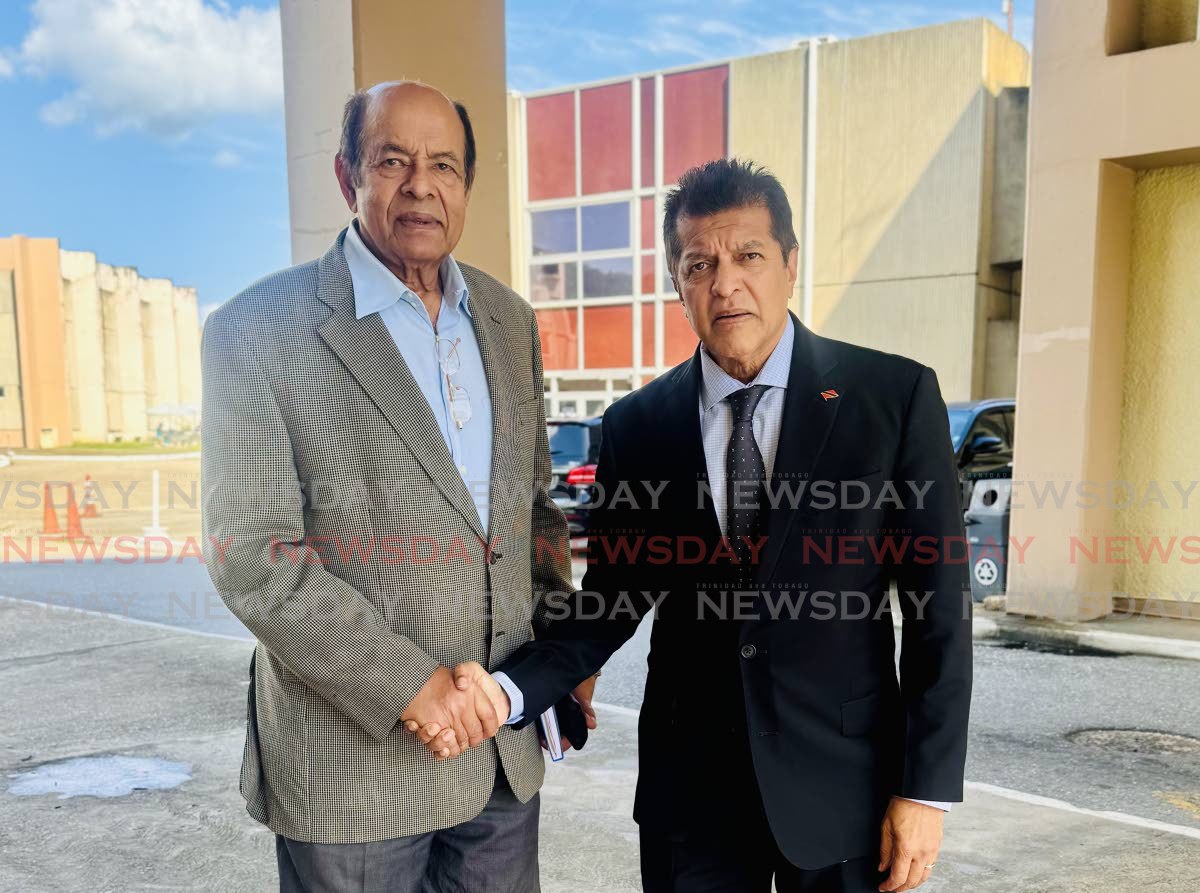
    Prime Minister Kamla Persad-Bissessar is facing mounting criticism over her administration’s foreign policy approach toward the United States, with concerns emerging about potential compromises to national sovereignty. During a private Christmas Supper event at the Diplomatic Centre on December 18, the Prime Minister made controversial statements suggesting that the United States represents the sole nation capable of protecting and defending Trinidad and Tobago.

    The remarks, delivered not in Parliament but at a partisan gathering, have raised questions about transparency and diplomatic strategy. The Prime Minister’s comments included explicit warnings to supporters regarding the maintenance of their US visas, implying that approximately 350,000 Trinidadian nationals with American visas could face revocation without careful navigation of bilateral relations.

    This diplomatic positioning follows earlier controversies surrounding the installation of military-grade radar at Crown Point in Tobago, which was initially misrepresented as road construction work. Subsequent claims that this equipment facilitated a major drug seizure worth $171 million were subsequently disputed by the manufacturer, Northrop Grumman.

    When confronted with investigative reporting from the New York Times, Persad-Bissessar dismissed the publication as a ‘foreign newspaper’ and discounted their verification from the manufacturer as anonymous sourcing. The Prime Minister has similarly distanced herself from regional issues, including the blockade of oil tankers involving Venezuela, characterizing such matters as exclusive concerns of the Trump administration.

    Analysts note that while respectful acknowledgment of US military presence is pragmatic for Caribbean nations, the apparent wholesale dismissal of cross-border relations with Venezuela represents a significant departure from decades of regional cooperation within Caricom. The administration’s cheering of aggressive counter-narcotics operations resulting in numerous fatalities has further alarmed diplomatic observers.

    The current approach marks a dramatic shift from Trinidad and Tobago’s historical foreign policy, which successfully maintained defense cooperation with the United States while preserving relationships with Caricom partners and other trading nations including China. Critics argue that the nation should engage with global partners as a sovereign equal rather than subordinate to American hegemony.

  • Bleak Xmas for NCRHA security officers

    Bleak Xmas for NCRHA security officers

    Security personnel employed by Safety Investigations Security Services, contracted by Trinidad’s North Central Regional Health Authority (NCRHA), are confronting severe financial hardship as Christmas approaches, with many reporting unpaid wages since September. The crisis emerges from a protracted financial dispute between the security firm and the healthcare authority, creating a cascading effect on frontline workers.

    According to a senior operations officer who spoke with Newsday on December 19, the NCRHA’s failure to settle outstanding payments for contracted services has left the security company without sufficient funds to compensate its employees. This financial deadlock has forced workers to make painful sacrifices during the holiday season.

    One female officer, requesting anonymity due to fears of victimization, revealed the personal toll: “I haven’t purchased Christmas gifts for my children, and with the holiday less than a week away, I must borrow money simply to buy groceries.” Another employee confirmed seeking alternative employment amid the uncertainty.

    Company representatives acknowledged the distress while emphasizing their limited control over the situation. “We understand their frustration, but until we receive payment, we cannot pay them,” one official stated. An accountant within the organization noted efforts to resolve the issue before Christmas but could provide no guarantees, citing complete dependence on government disbursements.

    The security company representatives detailed a pattern of chronic underpayment, explaining that even before the recent government transition, payments were consistently delayed. When partial payments arrived, they typically represented merely five percent of invoiced amounts. “When we received a payment last month, we immediately distributed it to staff,” a representative emphasized.

    NCRHA chairman Dr. Tim Gopeesingh attributed the crisis to what he characterized as years of financial mismanagement predating his administration. He revealed the authority inherited debts totaling $321 million owed to 521 service providers. While the current board has reduced this number to approximately 100 suppliers through structured repayments approved by the Ministry of Health, significant challenges remain.

    Gopeesingh identified systemic procurement irregularities as the core issue, uncovering security companies operating without formal contracts for 18 years and cleaning services functioning without contracts since 2017. These services cost the authority approximately $32 million and $44 million annually respectively, without proper documentation.

    “We cannot authorize payments without valid contracts and verification of delivered services,” Gopeesingh stated. “To do otherwise would constitute financial negligence.” The NCRHA is now strictly adhering to procurement legislation and considering an external professional audit to investigate historical spending practices that diverted resources from patient care. Criminal investigations remain possible as enquiries continue.

  • Amalgamated Security honours cops, PSC chairman

    Amalgamated Security honours cops, PSC chairman

    In a significant recognition of law enforcement excellence, four distinguished figures from Trinidad and Tobago’s policing community have been honored with the Amalgamated Impact Award for Distinguished Service Recognition 2025. The ceremony took place on December 18 at the headquarters of Amalgamated Security Services Ltd in El Socorro’s Garden Road.

    Deputy Commissioner of Police Suzette Martin received accolades for her exceptional leadership and substantial contributions to national security and public confidence. Her career, marked by unwavering integrity and professional excellence, has significantly enhanced institutional effectiveness while inspiring numerous officers throughout her tenure.

    Assistant Commissioner of Police Richard Smith was celebrated for his exemplary service and distinguished leadership in protecting the nation. His career demonstrates remarkable integrity, professional distinction, and selfless dedication to public safety. Through sustained advancements in policing strategy and operational efficiency, he has strengthened community trust and embodied the highest ideals of law enforcement.

    Sergeant Derrick Sharbodie earned recognition for his outstanding service as a Police Youth Club Leader and his steadfast commitment to youth empowerment. His inspirational leadership, integrity, and dedication to mentorship have profoundly influenced young people and strengthened community bonds, reflecting the true spirit of discipline and compassion.

    Police Service Commission chairman Dr. Wendell Wallace received the Lifetime Achievement Recognition for his exceptional contributions to public safety, security, education, and national development. Through decades of academic excellence, impactful teaching, and dedicated public service, he has shaped professional standards and informed national discourse on critical security matters.

    The award recipients expressed profound gratitude to Amalgamated Security Services for the honor, noting that the recognition reflects the collective dedication and professionalism of all police service personnel. They emphasized the importance of strong partnerships in building safer communities.

    The Trinidad and Tobago Police Service reaffirmed its commitment to serving with integrity, strengthening public trust, and collaborating with stakeholders to ensure national safety and development.

  • Danny Guerra’s SoE detention review stalled

    Danny Guerra’s SoE detention review stalled

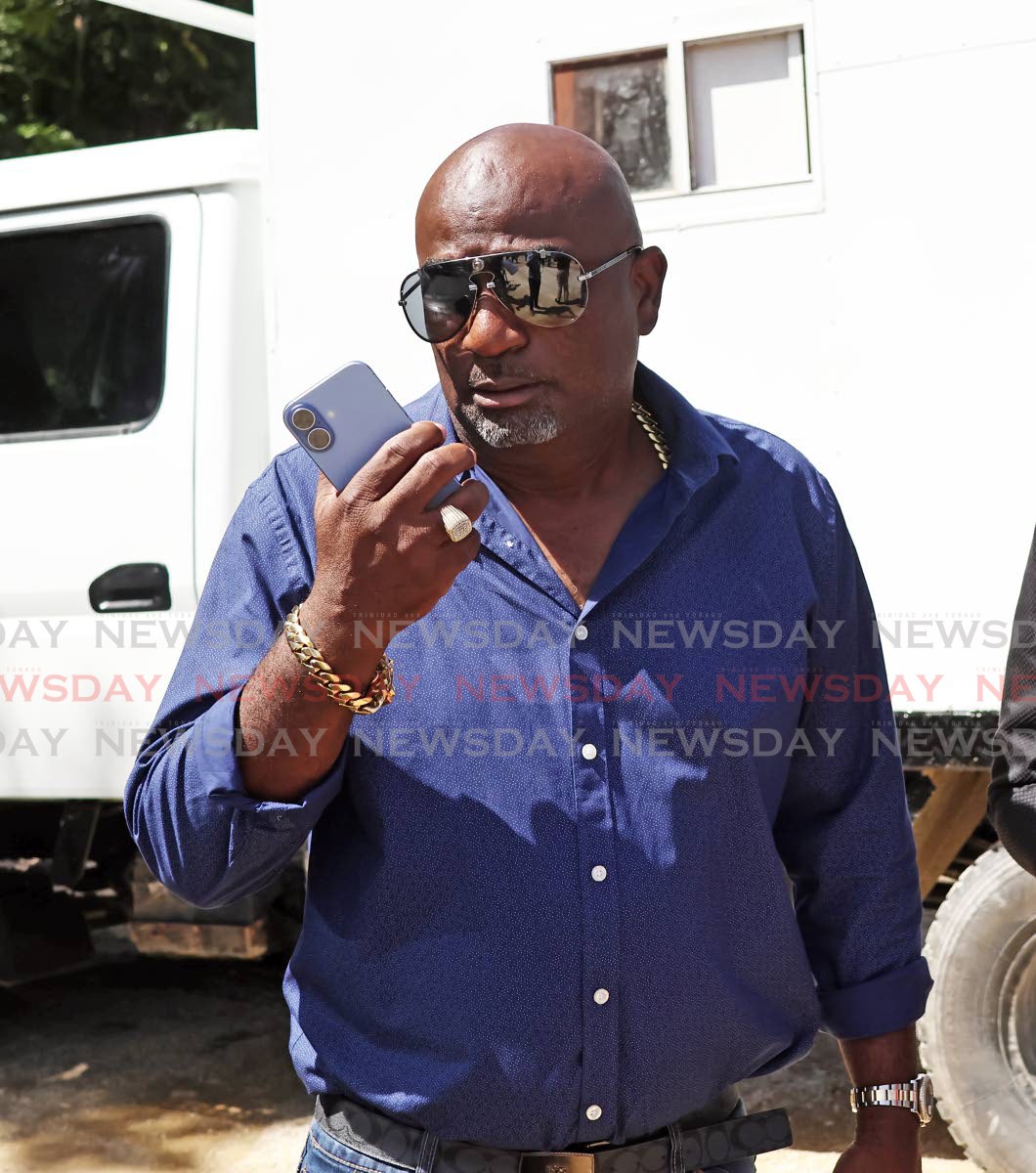
    The legal challenge mounted by businessman Danny Guerra against his preventive detention under Trinidad and Tobago’s state of emergency has encountered procedural delays. The Emergency Review Tribunal adjourned proceedings on December 18 to accommodate attorneys representing the Minister of Homeland Security, who requested additional time to prepare written submissions.

    Led by Senior Counsel Anand Ramlogan, the ministerial legal team’s request for extension faced strong opposition from Guerra’s defense counsel. Richard Thomas, KC, heading a legal team comprising Nerisa Bala and Emily Rampersad, contended that the minister’s representatives failed to adhere to established practice directions governing such review proceedings.

    The tribunal ultimately granted the extension, setting December 23 as the deadline for the minister’s submissions, with Guerra’s legal team afforded until the following day to formulate their response. No subsequent hearing date has been scheduled.

    Guerra’s detention stems from his November 20 arrest by the Special Investigations Unit, which alleges his leadership of an organized criminal network engaged in arms trafficking, money laundering, and illegal quarry operations. Homeland Security Minister Roger Alexander’s detention order further references an alleged assassination plot targeting a government minister.

    Notably, Thomas received special authorization through Legal Notice 459, gazetted on December 17, enabling his representation in Trinidad and Tobago courts despite not being locally admitted.

    This case represents another chapter in Guerra’s legal difficulties, following previous charges filed on October 11 against both him and his son for unlicensed aggregate processing. Those charges resulted in $50,000 bail for each defendant granted by a justice of the peace.

    The current state of emergency, initially declared on July 18 and extended for three months in October, remains in effect until January 2026, providing the legal framework for Guerra’s ongoing detention without formal charges.

  • Privy Council refuses appeal in Guppy extradition case

    Privy Council refuses appeal in Guppy extradition case

    In a significant legal development, suspected international drug trafficker Shurlan Guppy has been denied permission to appeal his extradition to the United States by the Judicial Committee of the Privy Council. The London-based court dismissed Guppy’s special leave application on December 18, with Lords Lloyd-Jones, Leggatt and Stephens unanimously concluding that the case failed to present any arguable point of law or matter of general public importance.

    The ruling represents the latest judicial setback for Guppy, who faces eleven serious drug trafficking charges in the United States involving heroin and cocaine valued at approximately US$1 million. Court documents reveal that if convicted on all counts, Guppy potentially faces life imprisonment with a mandatory minimum sentence of ten years.

    Parallel to his Privy Council petition, Guppy has initiated constitutional proceedings in Trinidad and Tobago’s High Court, alleging rights violations during his extradition process. His legal team, led by attorney Mario Merritt, contends that despite governmental assurances to maintain the status quo during the 56-day appeal window, authorities proceeded with Guppy’s extradition to the United States while his UK application remained pending.

    The constitutional motion, currently before Justice Jacqueline Wilson, seeks multiple remedies including financial compensation, vindicatory damages, and most notably, a court order mandating Guppy’s repatriation to Trinidad and Tobago. During November proceedings, state attorney Ian Roach maintained the extradition’s legality, arguing that the transfer occurred only after the expiration of the agreed-upon moratorium period.

    According to investigations by the U.S. Drug Enforcement Administration’s Philadelphia Division, Guppy allegedly orchestrated an international drug distribution network between 2017 and 2022. Federal indictments claim the operation utilized various communication platforms including cellular phones, FaceTime, and encrypted WhatsApp messaging to coordinate narcotics transactions across multiple jurisdictions.

    Justice Wilson has adjourned the constitutional matter until January 26, 2026, awaiting further developments in the ongoing legal proceedings. Guppy remains in federal custody in the United States following his initial appearance in the Eastern District of Pennsylvania on August 12.

  • TT Chamber calls out Government, demands action on forex crisis

    TT Chamber calls out Government, demands action on forex crisis

    The Trinidad and Tobago Chamber of Industry and Commerce has issued an urgent appeal for coordinated national action to address the country’s escalating foreign exchange crisis. In a December 19 statement accompanied by a comprehensive working paper, the business organization warned that inaction is no longer viable for the national economy.

    The Chamber’s analysis identifies three primary drivers of the forex shortage: the current exchange-rate regime that has maintained an overvalued TT dollar for over a decade, declining energy production that traditionally supplies over 80% of forex inflows, and excessive dependence on imported goods across critical sectors including food, vehicles, and pharmaceuticals.

    Businesses throughout the economy are experiencing severe operational challenges, including delayed access to foreign currency, rising operating costs, and diminished competitiveness. The Chamber notes that black market currency trading signals deepening market imbalances that threaten economic stability.

    The organization proposes a multi-stakeholder approach involving government, the Central Bank, and private sector collaboration. Key recommendations include aligning the exchange rate with market demand and supply through a gradual transition to a more flexible and transparent framework. The Chamber emphasizes that timely, coordinated action offers a more orderly path toward stability than forced corrections later.

    For the private sector, the Chamber advocates collective measures to increase forex inflows through profit repatriation, foreign direct investment attraction, and leveraging remittances through formal channels. Import substitution initiatives are also encouraged to reduce structural dependence on foreign goods.

    The warning comes amid recent negative outlook revisions from major credit rating agencies Moody’s and Standard & Poor’s, both citing concerns about declining forex reserves.

  • Hodge cracks 2nd Test century: WI cut Black Caps lead to 194

    Hodge cracks 2nd Test century: WI cut Black Caps lead to 194

    Kavem Hodge’s resilient unbeaten century has ignited West Indies’ resurgence on day three of the third Test against New Zealand at Bay Oval, Mount Maunganui. The right-handed batsman displayed remarkable composure in his 254-ball 109-run knock, guiding the visitors to 381/6 in response to New Zealand’s commanding first-innings total of 575/8 declared.

    The Caribbean side, resuming at 110 without loss, encountered early setbacks as openers John Campbell (45) and Brandon King (63) fell in quick succession to Jacob Duffy’s pace bowling. With regular captain Shai Hope sidelined by illness, wicketkeeper-batsman Tevin Imlach promoted to number four contributed a crucial 66-run third-wicket partnership with Hodge before departing to Michael Rae’s delivery.

    Hodge’s technical proficiency shone through as he orchestrated two vital middle-order partnerships—first adding 61 runs with Alick Athanaze (45) and then 81 runs with allrounder Justin Greaves (43). The 32-year-old Dominican batsman struck 14 boundaries in his marathon innings, demonstrating exceptional shot selection and patience against New Zealand’s varied attack.

    The Black Caps still maintain a substantial 194-run lead, with left-arm spinner Ajaz Patel (2/94) and Duffy (2/79) being the most successful bowlers. Anderson Phillip (12 not out) survived a late scare when Rae dropped a difficult chance off Patel, ensuring Hodge would return on day four to continue his pursuit of a career-best Test score.

    West Indies’ batting performance marked a significant improvement from their previous displays in the series, particularly through Hodge’s masterclass in concentration and shot execution against both pace and spin bowling.

  • Tancoo: Not a ‘beep’ over salaries and back pay paid on time

    Tancoo: Not a ‘beep’ over salaries and back pay paid on time

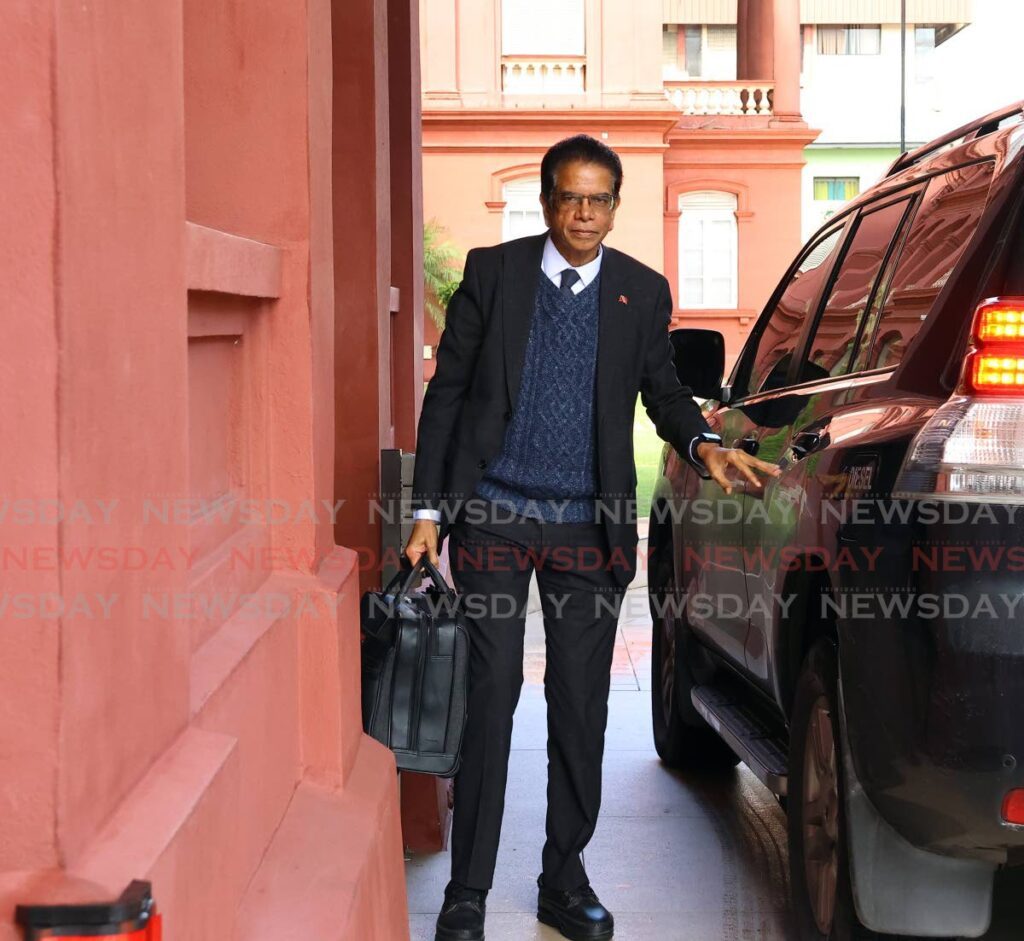
    Trinidad and Tobago’s Finance Minister Davendranath Tancoo has ignited controversy through his unconventional use of WhatsApp status updates to address media relations and government payments. The minister utilized the platform’s status feature to assert that public servant salaries and partial back pay had been disbursed promptly as committed, while simultaneously accusing local media outlets of biased reporting.

    The digital confrontation emerged when Newsday journalists attempted to obtain clarification regarding the $3.8 billion back pay owed to Public Services Association (PSA)-represented employees. Despite multiple attempts to contact the minister directly between December 16-19, Tancoo remained unresponsive to media inquiries until choosing to communicate via social media platforms.

    According to verified WhatsApp timestamps, the minister’s message declaring successful payments was delivered and read at 2 AM on December 17, though no official ministry updates or press releases confirmed the transaction details. The Treasury Division had previously announced on December 1 that government employee salaries would be processed on December 18.

    PSA President Felisha Thomas, when contacted on December 18, referenced a posted notice regarding agreed payment timeframes but subsequently became unreachable for further commentary. The December 2 agreement between the PSA and Chief Personnel Officer stipulated partial back pay distribution in December, with the promised 10% salary increase—a key campaign commitment of the ruling UNC party—scheduled to take effect in January.

    Critical questions regarding the exact proportion of the $3.8 billion debt addressed this month and the number of benefiting public servants remain officially unanswered, highlighting ongoing transparency concerns within the government’s communication strategy.

  • Dowlath: Report of sexual misconduct against teachers concerning

    Dowlath: Report of sexual misconduct against teachers concerning

    Education Minister Dr. Michael Dowlath has voiced profound alarm following revelations in the 2024 annual report of the Teaching Service Commission (TSC) indicating that five educators face allegations of sexual misconduct involving female students. While emphasizing the TSC’s constitutional authority over teacher discipline, Dowlath asserted his ministry’s proactive stance in addressing such violations.

    The minister characterized the commission’s findings as raising ‘serious matters’ that demand urgent attention, particularly regarding student safety and educational environment integrity. He clarified the institutional framework, noting that while the TSC holds primary responsibility for disciplinary investigations and determinations, the ministry maintains vigilant oversight and cooperation protocols.

    Dowlath outlined specific protective measures already implemented, including immediate action requirements for schools upon identifying misconduct. These measures encompass student safeguarding, mandatory reporting, and interim protocols. In severe cases, the ministry may formally request the TSC to suspend teachers immediately during investigations—a protective measure without prejudicing disciplinary outcomes.

    Where alleged behavior constitutes criminal activity, matters may be referred to the Trinidad and Tobago Police Service (TTPS) for independent investigation alongside administrative proceedings. The ministry is concurrently strengthening internal monitoring, reporting mechanisms, and supervisory systems to enable earlier detection and appropriate escalation of concerns.

    In response to these incidents, Dowlath detailed several concrete initiatives: enhanced guidance for school administrators on incident management, improved documentation and case-tracking procedures, strengthened teacher supervision systems, and specialized professional development focusing on ethical conduct and child protection. The ministry is also modernizing policies to streamline disciplinary processes while respecting all parties’ rights.

    The report, presented to Parliament on November 21 and publicly reported on December 18, documents 16 pending sexual misconduct cases involving three primary and two secondary school teachers. Allegations range from single to multiple offenses per teacher, with none currently facing criminal prosecution. Dowlath concluded by acknowledging the majority of teachers’ professionalism while emphasizing the necessity of robust systems to protect students and maintain educational integrity.